
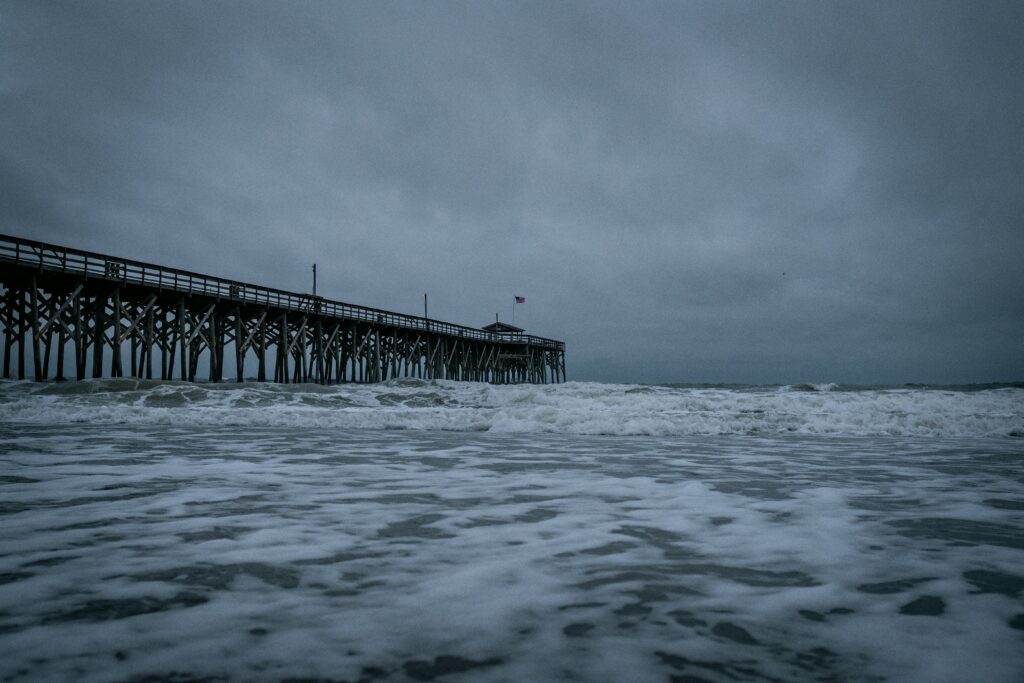
The National Hurricane Center (NHC) has discontinued its monitoring of a weak weather disturbance in the Atlantic Ocean located off the southeastern United States coastline.
As of the afternoon update on June 30, 2026, forecasters determined that the system is unlikely to organize into a tropical depression or named storm.
The disturbance, associated with a weak area of low pressure along a frontal boundary, had shown only limited showers and thunderstorms that shifted farther offshore.
Environmental conditions, particularly the presence of dry air nearby, are expected to inhibit further development as the system drifts southward and then westward over the coming days.
This marks the end of tracking that began earlier in the weekend.
With no development anticipated, the 2026 Atlantic hurricane season remains at just one named storm: the brief Tropical Storm Arthur, which formed in the Gulf of Mexico earlier in June and brought flooding concerns to parts of Texas and Louisiana.
Hurricane season officially runs from June 1 through November 30, with peak activity typically occurring between mid-August and October. The next name on the 2026 list is Bertha.
In late May, the National Oceanic and Atmospheric Administration (NOAA) issued its seasonal forecast, predicting a below-average year.
Expectations call for 8 to 14 named storms, 3 to 6 of which could become hurricanes, including 1 to 3 major hurricanes (Category 3 or higher). For comparison, a typical season sees about 14 named storms, 7 hurricanes, and 3 major hurricanes
While the tropical system did not develop, a weak front moving across the region on Tuesday brought scattered to numerous showers and storms, particularly across central Florida’s interior.
The National Weather Service in Melbourne noted a marginal risk of excessive rainfall and warned of possible strong storms featuring frequent lightning, gusty winds up to 35-50 mph, small hail, and heavy downpours that could lead to minor flooding.
Coastal areas are also experiencing 1- to 3-foot waves and a moderate risk of rip currents, advising beachgoers to remain cautious.