
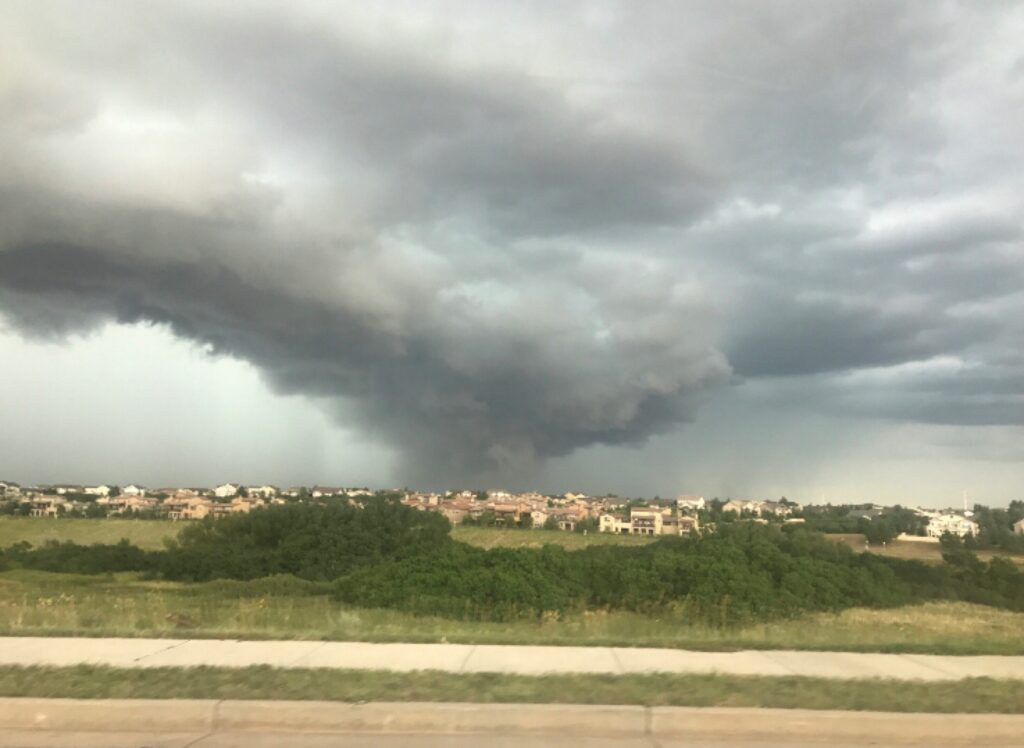
Residents across parts of the northern Plains should stay vigilant as severe weather risks escalate for Friday, July 24. Officials have highlighted elevated concerns for tornado activity in a pair of key states, prompting heightened awareness ahead of the weekend.
According to the latest guidance from the National Weather Service, a modest 2 percent chance of tornadoes has been outlined for the affected region. This probability applies specifically as conditions develop through the end of the week and into the following days.
Beyond the tornado potential, broader threats from intense thunderstorms remain in play. These systems may deliver heavy downpours, damaging winds, and sizable hail that could impact outdoor plans and travel.
The two states under particular scrutiny are North Dakota and Minnesota. Local communities in both areas are being urged to monitor developments closely as the pattern unfolds.
Weather patterns in this part of the country can shift rapidly during the warmer months, making early preparation essential. Forecasters continue to track atmospheric ingredients that support storm formation.
Anyone living in or traveling through these states should prioritize safety measures well before any warnings are issued. Simple steps taken in advance can make a significant difference when conditions deteriorate.
As a reminder, here’s what to do when strong storms and tornadoes hit:
Stay Weather-Ready: Continue to listen to local news or a NOAA Weather Radio to stay updated about tornado watches and warnings.
At Your House: If you are in a tornado warning, go to your basement, safe room, or an interior room away from windows. Don’t forget pets if time allows.
At Your Workplace or School: Follow your tornado drill and proceed to your tornado shelter location quickly and calmly. Stay away from windows and do not go to large open rooms such as cafeterias, gymnasiums, or auditoriums.
Outside: Seek shelter inside a sturdy building immediately if a tornado is approaching. Sheds and storage facilities are not safe. Neither is a mobile home or tent. If you have time, get to a safe building.
In a vehicle: Being in a vehicle during a tornado is not safe. The best course of action is to drive to the closest shelter. If you are unable to make it to a safe shelter, either get down in your car and cover your head, or abandon your car and seek shelter in a low lying area such as a ditch or ravine.
These established guidelines offer clear direction no matter where someone finds themselves when severe weather strikes. Reviewing them regularly helps ensure quick and effective responses.
Families are encouraged to discuss emergency plans in advance so every household member knows the nearest safe location. Practice drills can further reduce panic during an actual event.
Pet owners should also factor animals into their preparations, identifying carriers or leashes that allow rapid movement to shelter. Leaving no one behind remains a top priority.
Communities in North Dakota and Minnesota may experience varying levels of impact depending on exact storm tracks. Staying informed through reliable sources remains the most effective way to stay ahead of changing conditions.
By remaining proactive and following official recommendations, residents can minimize risks associated with the expected thunderstorms and any potential tornado activity this Friday.