
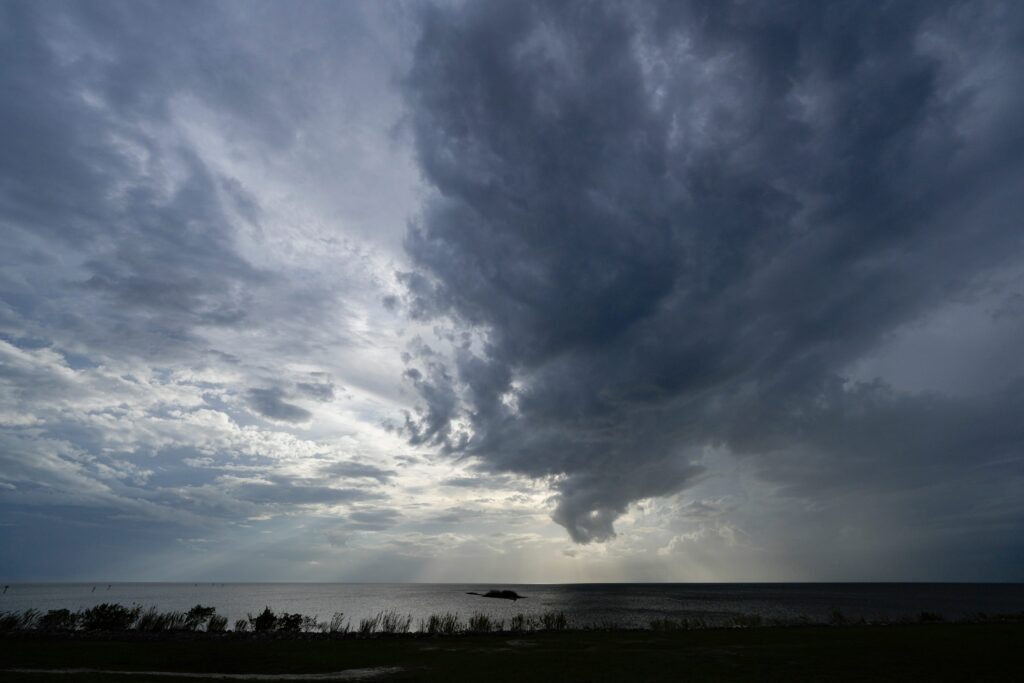
The National Weather Service has issued alerts across a wide swath of the United States, placing 13 states on notice for the possibility of dangerous tornado activity on Tuesday, June 23.
Forecasters indicate that significant storm systems could bring intense thunderstorms, accompanied by risks of damaging winds, large hail, and potentially powerful tornadoes in several regions.
Communities from the northern Plains through the central United States and into parts of the East Coast are preparing for volatile weather conditions. Experts warn that these storms may develop rapidly, requiring residents to remain vigilant throughout the day and into the evening hours as the systems progress.
The affected areas span a broad geographic range, with the highest threats concentrated in the Midwest and Great Plains before moving eastward. Officials emphasize that while not every location will experience the most severe impacts, the overall setup favors elevated chances for hazardous weather.
Among the states included in the tornado threat are North Dakota, South Dakota, Minnesota, Wyoming, Nebraska, Colorado, Kansas, Oklahoma, and Texas. Farther east, the alerts also cover Maryland, Delaware, Virginia, and North Carolina, where thunderstorms could produce isolated tornadoes amid broader severe weather.
As the day unfolds, meteorologists will continue monitoring developing conditions that could lead to more refined warnings. Residents in these regions should pay close attention to updates from local authorities and national weather outlets to track any changes in the forecast.
As a reminder, here’s what to do when storms strike:Stay Weather-Ready: Continue to listen to local news or a NOAA Weather Radio to stay updated about tornado watches and warnings.
At Your House: If you are in a tornado warning, go to your basement, safe room, or an interior room away from windows. Don’t forget pets if time allows.
At Your Workplace or School: Follow your tornado drill and proceed to your tornado shelter location quickly and calmly. Stay away from windows and do not go to large open rooms such as cafeterias, gymnasiums, or auditoriums.
Outside: Seek shelter inside a sturdy building immediately if a tornado is approaching. Sheds and storage facilities are not safe. Neither is a mobile home or tent. If you have time, get to a safe building.
In a vehicle: Being in a vehicle during a tornado is not safe. The best course of action is to drive to the closest shelter. If you are unable to make it to a safe shelter, either get down in your car and cover your head, or abandon your car and seek shelter in a low lying area such as a ditch or ravine.
Preparation remains the most effective defense against these unpredictable events. Families and individuals are encouraged to review their emergency plans and ensure they have necessary supplies on hand, including flashlights, batteries, and a first-aid kit.
Even as the primary risks focus on tornadoes in vulnerable states, surrounding areas could still face heavy rainfall and lightning that might lead to localized flooding or power outages. Staying informed through reliable channels can make a critical difference in how safely people navigate the day.
Public safety officials urge everyone in the impacted zones to take the warnings seriously and act promptly at the first signs of deteriorating conditions.
By following established protocols, communities can minimize potential harm during this active weather pattern.