
As the warmth of summer begins to build across much of the Northern Hemisphere, meteorologists and weather enthusiasts are already turning their attention toward the coming winter season.
While official summer has not yet arrived, planning ahead for potential cold-weather impacts has become a practical consideration for many regions. Discussions about future storms are gaining momentum, fueled by emerging climate signals that point to a more active period ahead.
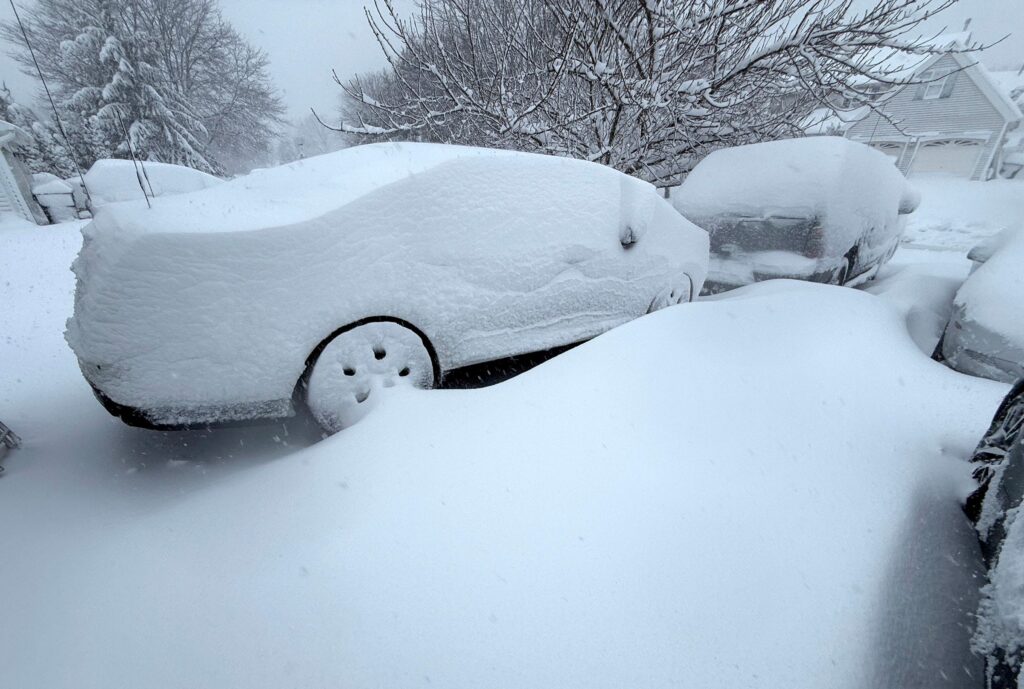
The previous winter across the United States stood out for its generally mild character in many areas. Snowfall remained limited for large portions of the country, falling short of typical seasonal amounts. However, certain northern zones experienced notably heavier accumulations, particularly in the Upper Midwest and around the Great Lakes, where residents dealt with significant whiteouts and related disruptions.
Looking forward to the 2026-27 winter, new projections are raising expectations for a far more intense period. Forecasters indicate that developing oceanic conditions could set the stage for what some are describing as an extreme season filled with powerful weather systems. These outlooks stem from monitoring of Pacific Ocean patterns that have shown rapid changes in recent assessments.
Central to these predictions is the anticipated development of a strong El Niño event. Early indicators suggest ocean surface temperatures in the central equatorial Pacific could climb by as much as 3.5 degrees Celsius by November. Should this materialize, it would represent the most powerful such occurrence ever documented, bringing widespread atmospheric shifts.
El Niño refers to a recurring natural climate pattern marked by elevated sea surface temperatures in the central and eastern Pacific regions. This warming influences global wind patterns, jet streams, and storm tracks, often leading to altered precipitation and temperature distributions far from the ocean itself. In the United States, such events have historically been associated with varied regional outcomes, including increased storminess in certain areas.
“Possible strength scenarios range from +2.8˚C to +4.3˚C, with sweeping consequences on global climate into 2027,” Ben Noll reported.
“This represents a notable strength increase compared to last month. The event may peak in December — not November — meaning the projections here would keep rising for another month.”
The potential for such an unusually robust El Niño has experts watching closely for downstream effects on North American weather. Enhanced moisture and shifted storm paths could result in more frequent and intense systems moving across the continent during the late fall and winter months. This setup raises concerns about everything from heavy snowfall in northern states to unusual rainfall patterns farther south.
Longtime television meteorologist Jim Cantore has weighed in on the evolving situation, highlighting the prospects for heightened activity.
“Will be interesting to see how this amplifies the extremes over winter,” he wrote on Monday.
Communities that rely on stable winter conditions for agriculture, transportation, and energy needs may need to prepare for greater variability. An extreme winter could bring challenges such as widespread travel disruptions, increased heating demands, and risks from severe storms. At the same time, it might offer opportunities like boosted snowpack in key mountain ranges that feed important water sources.
As these forecasts continue to develop, scientists emphasize the importance of staying informed through reliable updates. While El Niño provides a broad framework for expectations, local factors and other atmospheric variables will ultimately shape the season on a day-to-day basis. Residents across the country would do well to monitor progress in the coming months.
Overall, the combination of recent moderate winters and the potential for a dramatic shift suggests that the 2026-27 season could deliver memorable weather events.
With ocean temperatures on track for record strength, a dynamic and unpredictable winter appears increasingly likely for many parts of the United States.