
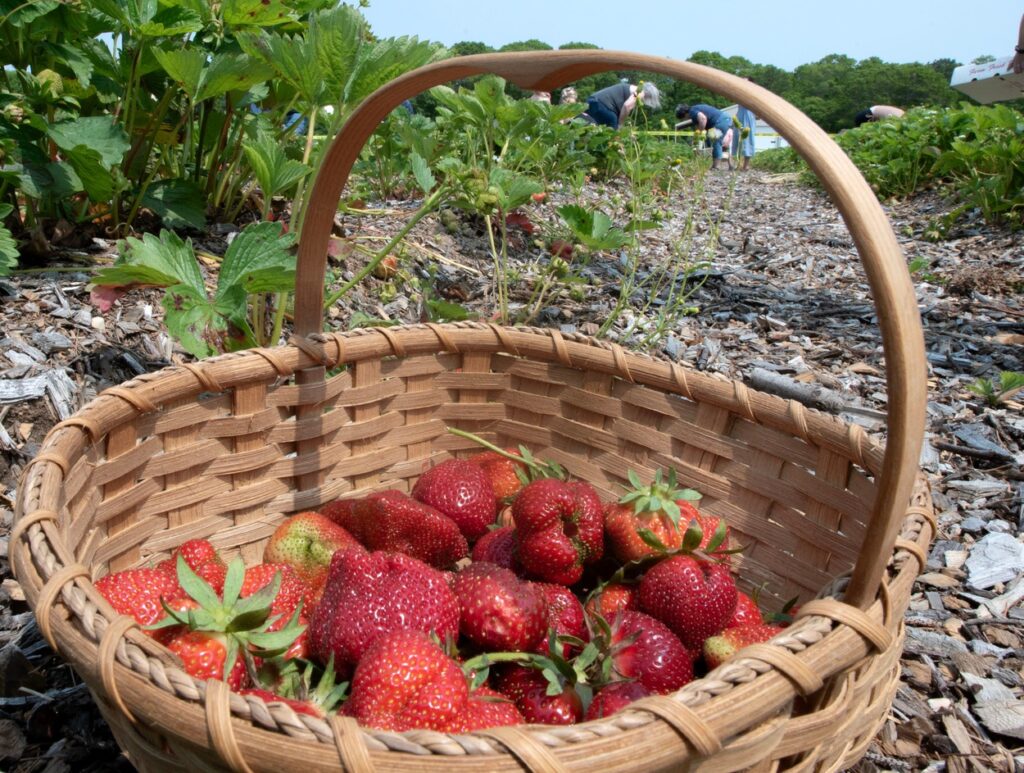
In the fields east of Stonewall, Manitoba, Boonstra Farms has long been a beloved destination for families seeking fresh-picked strawberries during the summer months. This year, however, the season has taken a heartbreaking turn.
Co-owner Danielle Boonstra and her team are now sifting through the wreckage left by weeks of punishing weather, watching as the majority of their crop succumbs to the elements.
Heavy rains, accompanied by hail and widespread flooding, have battered the region repeatedly. Boonstra described the downpours as unprecedented, noting that the farm has endured around 280 millimeters of rain (over 11 inches) in a short period—far beyond what the soil and plants can handle.
“We’ve never seen rain like this,” she remarked, highlighting how repeated storms have delivered inches of precipitation every few days, leaving fields waterlogged and plants overwhelmed.
The damage is extensive. Roughly 60 percent of the farm’s 28-acre strawberry operation has been lost, with berries rotting in place or rendered unharvestable by standing water and physical battering from hail.
What remains is a fraction of the expected yield, forcing the farm to limit or turn away U-pick visitors who arrive hoping for the usual bountiful experience. The visual toll is stark: rows of damaged fruit where healthy, vibrant berries once promised a strong harvest.
This isn’t an isolated setback. Many farmers across southwestern Manitoba are reporting similar struggles, with excessive moisture threatening a range of crops and disrupting the growing season at a critical time.
For Boonstra Farms, the losses compound the challenges of an already unpredictable agricultural year, raising concerns about financial strain and the ability to recover for future seasons.
Despite the gloom, Boonstra and her family remain focused on salvaging what they can and looking ahead. The situation underscores the growing vulnerability of local agriculture to extreme weather patterns, as persistent heavy rainfall continues to reshape the landscape and the livelihoods tied to it.
These local disruptions are also contributing to higher strawberry prices across Canada.
According to Dalhousie University’s Agri-Food Analytics Lab, the national average retail price for a 454-gram package rose nearly 5% from $5.46 in May to $5.73 in June. In Manitoba, prices increased by about $0.33 to around $5.90.
As of July 2026, wholesale or farmgate strawberry prices in Canada are hovering around US$4.93 per kg (approximately CAD$6.65 per kg), reflecting a year-over-year uptick amid supply pressures.
Shoppers have reported seeing pints or baskets climbing higher in some regions, with weather delays pushing the peak of the season and reducing overall availability of high-quality local berries.