
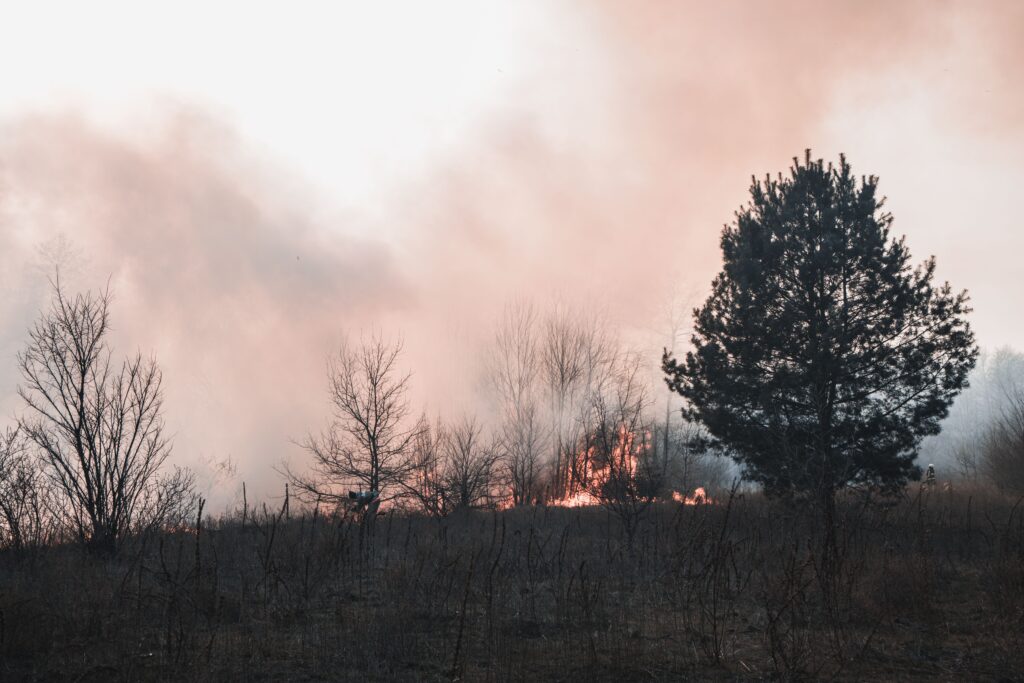
On Thursday, July 16, 2026, residents across much of New Jersey and the northeast woke up to hazy, smoke-filled skies as plumes from distant Canadian wildfires continued to drift southward, significantly degrading air quality and reducing visibility throughout the region.
The combination of persistent heat and humidity only compounded the discomfort, leaving many wondering how much longer the smoky conditions would last.
According to forecasts from the National Weather Service, the wildfire smoke is expected to keep affecting visibility and air quality at least through Thursday evening.
Smoke plumes hovering in the upper atmosphere are predicted to sink closer to ground level later in the day, potentially making conditions feel even worse as winds shift the haze downward. Meteorologists noted that visibility could drop below five miles in spots at times.
Some improvement may arrive Thursday night and carry into Friday as changing wind patterns help push much of the smoke out of the area. However, experts caution that the situation remains fluid.
There’s a chance the haze could make a partial return by Saturday, depending on how the fires in Canada evolve and how weather systems move over the coming days.
As the fires continue to rage, particularly in Ontario, meteorologists and officials warn that conditions could worsen in coming hours before any relief arrives, with dense plumes spreading eastward and affecting millions.
The Mount Holly office of the National Weather Service, which monitors much of New Jersey, indicated that smoke infiltration would persist through Thursday and possibly linger into the weekend.
The smoke has transformed familiar skylines into hazy silhouettes, irritating eyes and throats while forcing closures of parks, pools, and outdoor venues.
For those looking to stay informed, interactive tools like USA TODAY’s wildfire and smoke map offer real-time tracking of active fires and drifting plumes across North America.
As the situation develops, conditions can shift quickly, so checking local forecasts remains essential for planning outdoor activities or travel.
As officials monitor the situation closely, the potential for air quality to decline further in vulnerable areas remains a pressing concern. Residents are encouraged to stay informed through local alerts and prioritize precautions until the smoke dissipates.