The Alabama Crimson Tide secured a spot in the College Football Playoff during Kalen DeBoer’s second year at the helm, marking a notable achievement for the storied program. However, the path ahead looks challenging as the team prepares for the 2026 season.
With significant roster turnover and intensifying competition across the Southeastern Conference, Alabama must navigate a landscape where financial commitments and recruiting momentum play decisive roles in success.
One of the most immediate hurdles involves finding a replacement for quarterback Ty Simpson, who was selected in the first round of the NFL Draft by the Los Angeles Rams. The Crimson Tide will turn to either Keelon Russell or Austin Mack to lead the offense.
Beyond the passing game, Alabama has identified the need to strengthen its ground attack, an area that showed vulnerabilities in recent campaigns. Efforts to bolster the running back room suffered a setback when prized prospect Hollywood Smothers opted to join the Texas Longhorns instead.
The broader recruiting environment has grown increasingly competitive, with powerhouses like Texas, LSU, and Georgia investing heavily in assembling top-tier talent through Name, Image, and Likeness (NIL) opportunities. These programs are raising the financial bar, forcing traditional giants like Alabama to adapt quickly or risk falling behind in the pursuit of elite athletes. This shift underscores how the modern era of college football rewards not just coaching acumen but also robust financial backing from supporters.
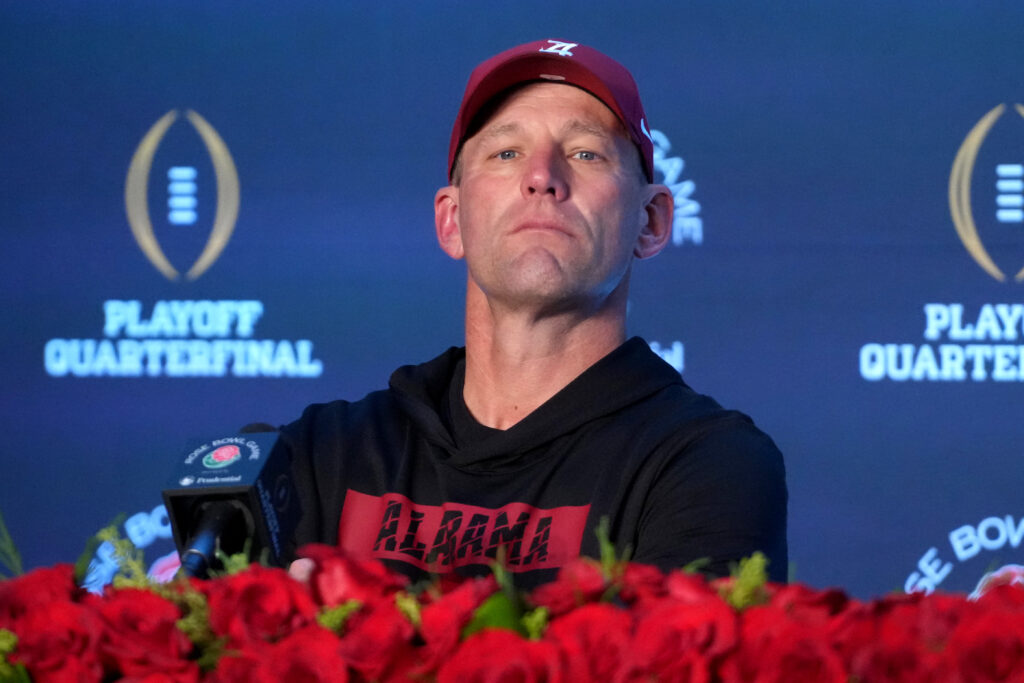
During a recent conversation with Garry L. Harris of WVUA 23, DeBoer emphasized the importance of expanding the program’s supporter base to attract and retain high-caliber players.
“We’ve got to continue to grow,” DeBoer said. “There’s no question. We’ve got to continue to adjust to the times. We’ve got to continue to push the envelope. We need the support of anyone that wants to be a part of it.”
“And I think more and more people do understand that you can have an awesome staff, but you’ve got to have the NIL support to be able to get the players because they’re the ones that make the plays on Saturdays.”
This appeal highlights DeBoer’s recognition that on-field performance increasingly depends on off-field resources and community engagement. Fans and boosters who contribute to NIL collectives can directly influence Alabama’s ability to compete for the best recruits in a crowded marketplace.
In April, DeBoer received a significant vote of confidence from the university, signing a new seven-year contract extension valued at $87.7 million. Through his first two seasons, he has compiled a 20-8 overall record, demonstrating steady progress while transitioning the program from the Nick Saban era. Yet early indicators for the future suggest that sustained excellence will require more than coaching stability alone.
Recruiting efforts for the 2027 class have gotten off to a difficult beginning. According to 247 Sports rankings, the Crimson Tide currently sit at No. 71 nationally, a position that raises concerns about long-term roster health if the trend continues. This ranking reflects the fierce battles taking place for premier high school talent across the country.
Despite these obstacles, DeBoer remains optimistic about the program’s foundational strengths and its capacity to stay competitive within the SEC.
“I think we’re very competitive, and that’s what I ask,” DeBoer said. “When we’re able to be competitive, I think what our staff brings, what this program has, and what we have for our players, the amount of investment that we put into each scholarship guy that’s on this football team, I just don’t know another program that can give what we give our guys.”
His comments point to the comprehensive support system Alabama provides for its student-athletes, from facilities to staff expertise, which continues to set a high standard.
Looking forward, the Crimson Tide appear poised to remain a relevant force in conference play. However, recapturing the level of dominance associated with the Saban years will likely hinge on closing the gap in NIL funding relative to top SEC and Big Ten rivals. Until Alabama matches the financial firepower of its peers, consistent championship contention may prove elusive.
The coming months will test DeBoer’s ability to rally support and refine recruiting strategies amid evolving rules and expectations. For a program with Alabama’s proud history, the challenge is clear: evolve with the times while preserving the competitive edge that has defined it for decades.
Success in 2026 and beyond will depend on how effectively the Crimson Tide can turn DeBoer’s vision into tangible results on the recruiting trail and the field.