
The 2026 Atlantic hurricane season opened with Tropical Storm Arthur, which unleashed unprecedented rainfall across central Louisiana, submerging farmland and threatening rice crops at a critical time in the growing cycle.
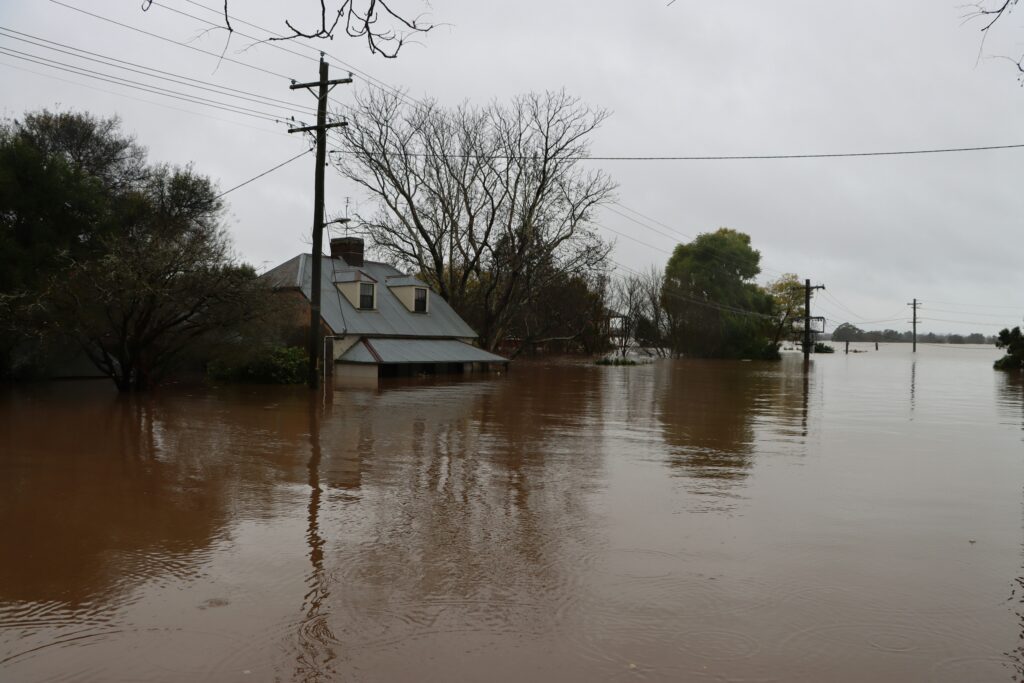
The storm dumped more than 29 inches of rain in a 24-hour period in some areas — a new state record — leading to widespread flooding that continues to challenge low-lying cropland south of central Louisiana as waters slowly recede.
Local rice producers met with state officials this week to assess the situation and discuss recovery strategies.
Many growers described water backing up through drainage systems during the heavy downpour, leaving fields inundated for extended periods.
Rice plants in various stages of development, along with other nearby crops, remain underwater in places, raising concerns about potential total losses in the hardest-hit zones.
Louisiana Agriculture Commissioner Dr. Mike Strain drew on past experiences with similar weather events, urging farmers to meticulously document all losses and expenses.
He stressed the importance of keeping detailed notes, receipts, and written records before taking any irreversible actions like plowing under damaged fields, as this documentation will be essential for insurance claims and government assistance programs.
State officials, including Insurance Commissioner Tim Temple and Senator Stewart Cathey, pledged support from the state level. Meanwhile, the USDA’s Farm Service Agency highlighted available disaster relief options.
FSA Director Craig McCain noted that efforts are underway for a formal disaster declaration, which could unlock aid for both crop and livestock producers once approved. He encouraged farmers to consult their local FSA offices to understand eligibility and best options.
Louisiana Farm Bureau President Richard Fontenot reported that his organization has been actively involved, deploying teams to assist in the immediate aftermath. Damage assessments remain ongoing, with the full scope of losses still unclear. Time will determine whether producers can salvage portions of the flooded rice crop.
This early-season storm serves as a stark reminder of the vulnerabilities faced by Louisiana’s rice industry, which relies heavily on effective drainage and timely weather patterns.
Farmers in the region are no strangers to tropical systems, but each event brings fresh economic and operational challenges, particularly in a year already testing the resilience of agricultural operations.
As recovery efforts continue, affected producers are advised to stay in close contact with local agricultural offices and document conditions thoroughly to maximize available support. The coming weeks will be critical in evaluating the long-term impact on this year’s rice harvest.