
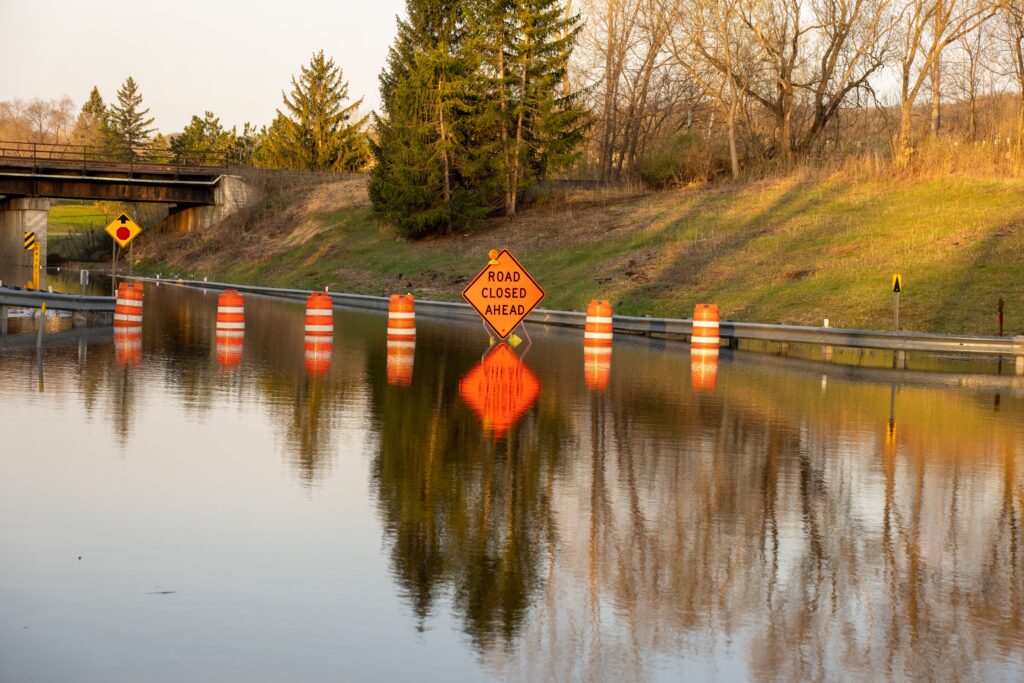
In the rolling hills of central Texas, where the Guadalupe River winds through scenic landscapes that have long drawn families and summer campers, nature has once more delivered a devastating reminder of its power.
On Thursday, July 16, 2026, intense thunderstorms unleashed torrential rains across the region, triggering rapid flash flooding that swept through communities still healing from last year’s catastrophic losses. Among the chaos of surging waters and emergency rescues, officials confirmed that at least one person lost their life.
The flooding hit hardest in the Texas Hill Country, an area familiar with sudden deluges but caught off guard by the speed and intensity this time. Slow-moving storms dumped several inches of rain in a short period, causing rivers and creeks to swell dramatically.
At one point, the Guadalupe River at Comfort rose a staggering 25 feet within a single hour, transforming peaceful waterways into raging torrents capable of carrying away debris, vehicles, and anything else in their path.
Residents and first responders worked frantically amid the rising waters. Multiple water rescues were reported as people found themselves stranded in homes, vehicles, or low-lying areas.
In Kerrville, where flooding damage was visible in the form of scattered debris and inundated properties, local officials noted that many areas had begun to recede by late afternoon. They credited timely warnings with preventing what could have been an even greater loss of life in a community still recovering from the scars of previous disasters.
This latest event unfolds almost exactly one year after the region endured one of its deadliest floods on record, which claimed dozens of lives at places like Camp Mystic and throughout Kerr County. The echoes of that tragedy lingered heavily as emergency teams responded, underscoring the vulnerability of the landscape to extreme weather patterns.
While the full extent of this new flooding’s impact remains uncertain—with the possibility of additional heavy rain overnight—authorities continue to urge caution and monitor developing conditions.
For the family and friends of the victim, the loss comes as a profound shock amid what should have been an ordinary summer day. Details about the individual’s identity have not yet been widely released, as recovery and identification efforts proceed. In small towns across the Hill Country, where neighbors often know one another by name, such news spreads quickly and deepens a collective sense of grief.
Meteorologists point to broader climate trends that may be intensifying these kinds of events, with warmer atmospheres holding more moisture and leading to heavier downpours.
Yet for those directly affected, the focus remains immediate: supporting one another, clearing damage, and honoring the lives disrupted or taken too soon.
As the waters recede and the community begins the work of rebuilding once more, the resilience of Texas Hill Country residents shines through—even as they mourn another preventable loss in the face of nature’s fury.