
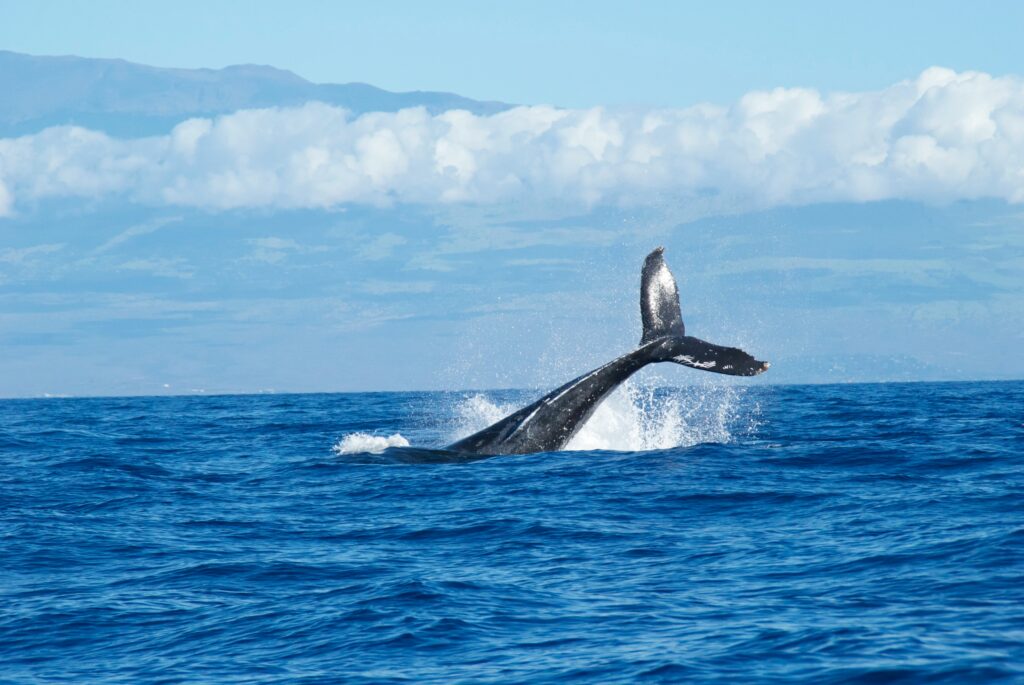
Washington’s coastal waters are once again witnessing a troubling surge in gray whale deaths, with this year’s toll approaching or surpassing previous highs even though federal officials had declared an earlier period of elevated mortality over.
Scientists and marine researchers are expressing concern that the challenges facing these majestic creatures have not truly subsided, pointing to ongoing environmental pressures that continue to threaten the population.
Gray whales undertake one of the longest migrations of any mammal, traveling thousands of miles each year between feeding grounds in the Arctic and breeding areas off the coast of Baja California.
This journey demands substantial energy reserves built up during summer feeding frenzies in nutrient-rich northern waters. However, changes in ocean conditions appear to be disrupting this critical cycle, leaving many whales in poor physical condition by the time they reach southern routes or return northward.
In 2026, strandings in Washington have climbed rapidly. Reports indicate that by mid-year, the number of documented deaths had already shattered typical annual figures, with some counts reaching the high teens or even nearing 30.
This early spike is particularly alarming because peak strandings have historically occurred later in the spring. Researchers from groups like the Cascadia Research Collective have noted multiple cases of whales appearing emaciated or behaving unusually in areas like Puget Sound, where a small group known as the “Sounders” has shown shifts in their typical patterns.
The previous Unusual Mortality Event, which spanned from 2019 to 2023, drew widespread attention after hundreds of gray whales washed ashore along the West Coast. That episode was officially closed, with stranding rates appearing to normalize temporarily.
Yet the current wave of fatalities suggests that underlying issues—primarily severe malnutrition—persist. Necropsies on recovered whales frequently reveal empty stomachs and depleted blubber layers, signs that the animals struggled to find enough food during their Arctic foraging periods.
Experts link these difficulties to broader ecological shifts, including warming Arctic waters that may be altering the availability and quality of amphipods and other prey that form the backbone of the gray whale diet. As sea ice diminishes and ocean temperatures rise, the benthic ecosystems these whales depend on could be undergoing fundamental changes, making it harder for the animals to bulk up for their epic travels.
This situation echoes patterns seen in past die-offs, but the recurrence years after the formal UME ended raises questions about long-term population resilience.
Gray whales have shown remarkable ability to rebound from previous declines, including after earlier events in the late 1990s. Nevertheless, repeated stressors could compound over time, especially if calf production remains suppressed or if more whales arrive in weakened states along migration corridors.
Conservationists and marine biologists are calling for continued monitoring, expanded research into prey dynamics, and greater attention to climate impacts. While gray whales are no longer listed as endangered, their future depends on healthy oceans that can sustain the massive energy demands of their lifestyle.
For now, the beaches of Washington serve as a somber reminder that the recovery from one crisis does not guarantee stability in the face of ongoing environmental transformation. Local responders and volunteers continue the difficult work of documenting and investigating each stranding, hoping that data from these tragedies will inform better protections moving forward.