
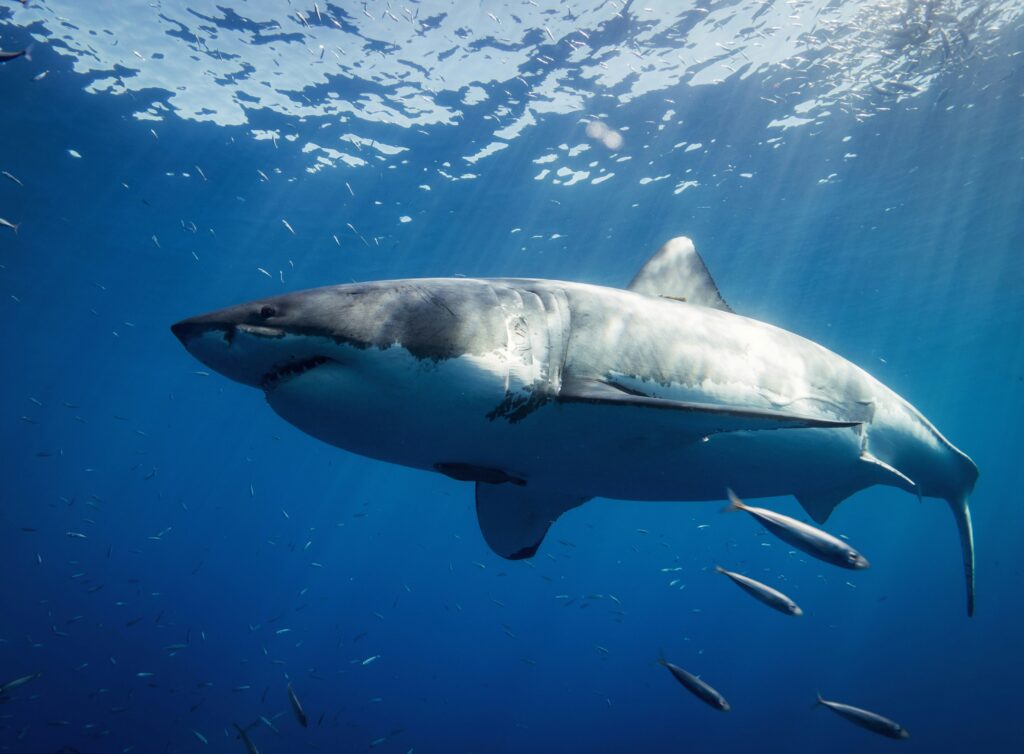
As beach season hits its peak, reports of shark activity have surged along the East Coast, prompting temporary closures and heightened vigilance among swimmers.
While some might view this as a worrying trend, experts point to improved monitoring efforts as a key factor behind the rise in detections rather than an actual explosion in shark numbers.
One notable incident occurred over the Fourth of July weekend at Jones Beach State Park on Long Island. A swimmer sustained minor lacerations to his foot after an encounter with what authorities believe was a small sand tiger shark.
The injury was not life-threatening, and officials quickly searched the area before reopening the beach with restricted swimming. Similar alerts went out at nearby locations, including Rockaway Beach in Queens, where multiple sightings led to intermittent closures throughout the early summer.
According to local parks officials, Rockaway Beach alone has seen dozens of confirmed shark sightings since May, with a significant cluster in the first few days of July.
These events have kept lifeguards and emergency responders busy, even as beaches in Connecticut also reported close encounters, such as a fisherman releasing a sizable sandbar shark offshore without any injuries to people.
The uptick appears closely tied to stepped-up surveillance initiatives. In May, New York state authorities expanded their monitoring capabilities by deploying additional drones and trained operators along Long Island beaches.
This collaboration between parks departments and environmental conservation teams aims to better track marine life and provide timely warnings to the public. As a result, more sharks are being spotted and documented than in previous years, even if the underlying population dynamics haven’t shifted dramatically.
Shark researchers emphasize that actual bites remain exceptionally rare, particularly when alert systems are in place. Enhanced detection allows officials to clear areas quickly, reducing risks for beachgoers.
For instance, programs like Alabama’s Lulu Gribbin Shark Alert System demonstrate how rapid notifications—similar to emergency weather alerts—can prevent further incidents by keeping people out of the water during active threats.
Public tools such as the OCEARCH Shark Tracker further contribute to awareness by letting anyone follow the movements of tagged sharks in real time.
Experts advise swimmers to heed lifeguard instructions, avoid swimming alone in certain conditions, and remember that these marine predators are a natural part of the ocean ecosystem. With proactive measures in effect, the summer spike in sightings serves more as a sign of better safety protocols than cause for panic.
Beach enthusiasts are encouraged to stay informed through local updates while enjoying the water responsibly. As surveillance technology advances, it not only highlights shark presence but also helps foster coexistence between humans and these fascinating ocean inhabitants.