
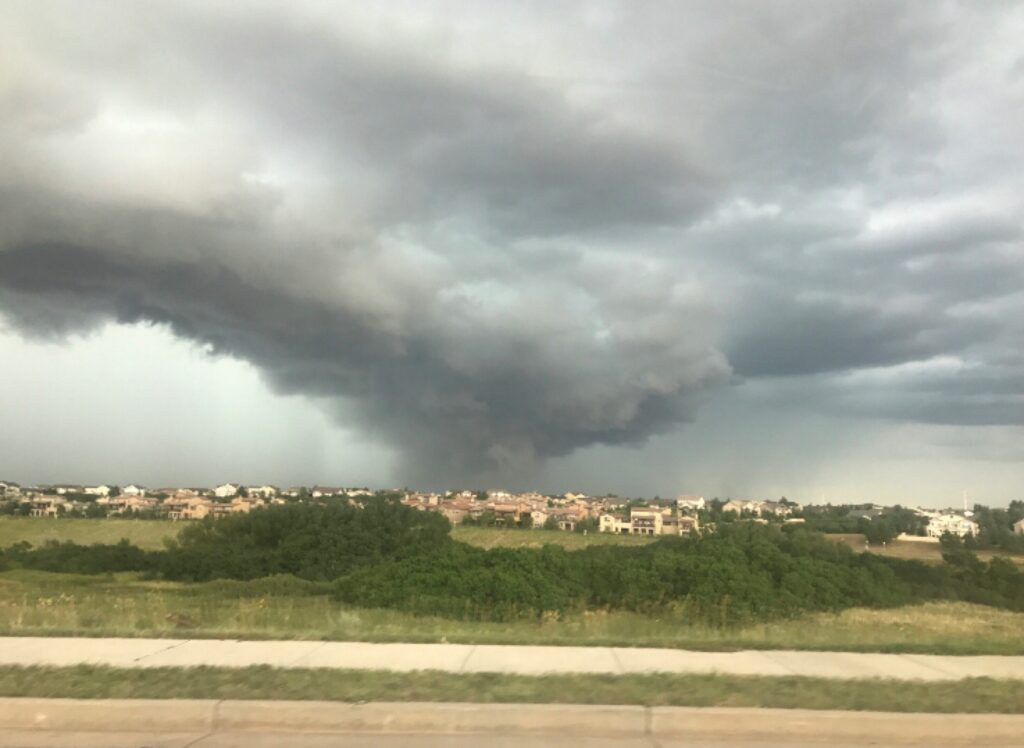
Authorities have issued tornado alerts for several areas across the central United States as of Thursday, July 9. Residents in parts of the Midwest are urged to remain vigilant throughout the afternoon and evening hours due to the potential for severe weather developments.
The National Weather Service has highlighted a modest but noteworthy risk for four specific states. Each of these locations carries approximately a two percent probability of experiencing tornado activity during the designated time frame, prompting officials to encourage proactive monitoring of local forecasts.
The states currently placed under this tornado alert include Missouri, Illinois, Indiana, and Kentucky. While the overall chance remains relatively low, even slight possibilities warrant careful preparation, especially given the unpredictable nature of severe storm systems in the region.
Experts emphasize the value of staying informed as conditions can shift rapidly. Individuals should keep tuned to reliable sources such as local news broadcasts or NOAA Weather Radio for the latest updates on any evolving tornado watches or warnings in their vicinity.
When at home during a potential tornado situation, it is essential to move quickly to the safest area available. This typically means heading to a basement, a designated safe room, or an interior space on the lowest level that stays far from exterior windows.
Taking a moment to secure pets, if feasible, can also make a significant difference in protecting the entire household.
In professional or educational settings, following established emergency protocols becomes critical. Occupants should proceed without delay to the assigned tornado shelter spots, maintaining composure to avoid unnecessary risks.
It is advisable to steer clear of windows entirely and avoid congregating in expansive open spaces like dining halls, gymnasiums, or large auditoriums, which offer less structural protection.
For those caught outdoors when a tornado threatens, the priority is to reach solid indoor shelter right away. Structures that lack durability, including sheds or basic storage buildings, do not provide adequate safety. Similarly, mobile homes and tents should be abandoned in favor of more secure options.
If time permits before the storm intensifies, relocating to a proper building remains the most effective strategy.
Traveling in a vehicle presents particular hazards during tornado events, as automobiles offer limited defense against powerful winds. Drivers should aim to reach the nearest sturdy shelter as swiftly as possible. Should that prove impossible, the recommended actions involve crouching low within the vehicle while shielding the head, or exiting the car to find refuge in a nearby low-lying spot such as a ditch or ravine for better protection from flying debris.
Community members are reminded that preparation can greatly reduce the impact of unexpected severe weather. By reviewing these guidelines in advance and discussing them with family or coworkers, everyone can contribute to a more resilient response when alerts are active.
As the day progresses, continued awareness and adherence to official guidance will help ensure safety across the affected regions.
Even with a small percentage of risk, treating the situation seriously supports better outcomes for individuals and families in Missouri, Illinois, Indiana, and Kentucky alike.