
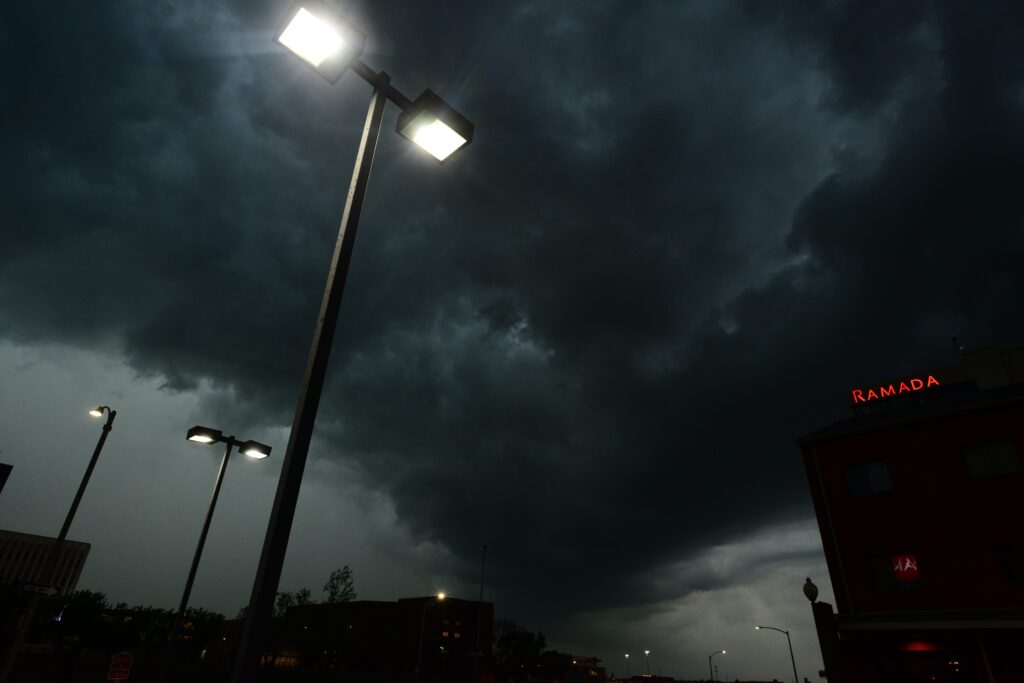
The National Weather Service has placed portions of three central U.S. states under a tornado watch Thursday afternoon, prompting residents to prepare for rapidly changing conditions. Forecasters warn that the atmosphere could produce dangerous storms capable of significant impacts across the region.
Kansas, Oklahoma, and Texas are the states included in the alert.
Officials highlight the potential for powerful winds reaching up to 80 miles per hour, along with scattered hail that could grow as large as tennis balls in some areas.
These threats underscore the volatile weather patterns that often develop during this time of year in the southern Plains. Communities in the affected zones are urged to remain vigilant as storm development is monitored closely throughout the afternoon and evening hours.
The tornado watch serves as an important early notification, giving people time to review their emergency plans and ensure they have access to necessary supplies. Even though not every watch results in actual tornadoes, the combination of strong winds and large hail can still cause considerable damage to property and infrastructure.
As a reminder, here’s what to do when a tornado strikes.
Stay Weather-Ready: Continue to listen to local news or a NOAA Weather Radio to stay updated about tornado watches and warnings.
At Your House: If you are in a tornado warning, go to your basement, safe room, or an interior room away from windows. Don’t forget pets if time allows.
At Your Workplace or School: Follow your tornado drill and proceed to your tornado shelter location quickly and calmly. Stay away from windows and do not go to large open rooms such as cafeterias, gymnasiums, or auditoriums.
Safety remains the top priority for meteorologists issuing these alerts. Individuals caught outdoors should act without delay to find proper cover, as open areas leave people especially exposed to flying debris and intense winds.
Outside: Seek shelter inside a sturdy building immediately if a tornado is approaching. Sheds and storage facilities are not safe. Neither is a mobile home or tent. If you have time, get to a safe building.
Travelers on the roads also face heightened risks during these events. Vehicles offer little protection against the forces of a tornado, making it essential to seek more secure locations whenever possible.
In a vehicle: Being in a vehicle during a tornado is not safe. The best course of action is to drive to the closest shelter. If you are unable to make it to a safe shelter, either get down in your car and cover your head, or abandon your car and seek shelter in a low lying area such as a ditch or ravine.
Local emergency management teams recommend that families discuss their plans ahead of time so everyone understands where to go and what steps to take. Staying informed through reliable sources can make a critical difference when minutes count.
Residents in the watch area should continue checking updates regularly as the situation evolves. Even after the initial watch expires, follow-up warnings may be issued if conditions worsen, so maintaining awareness is key to personal safety.