
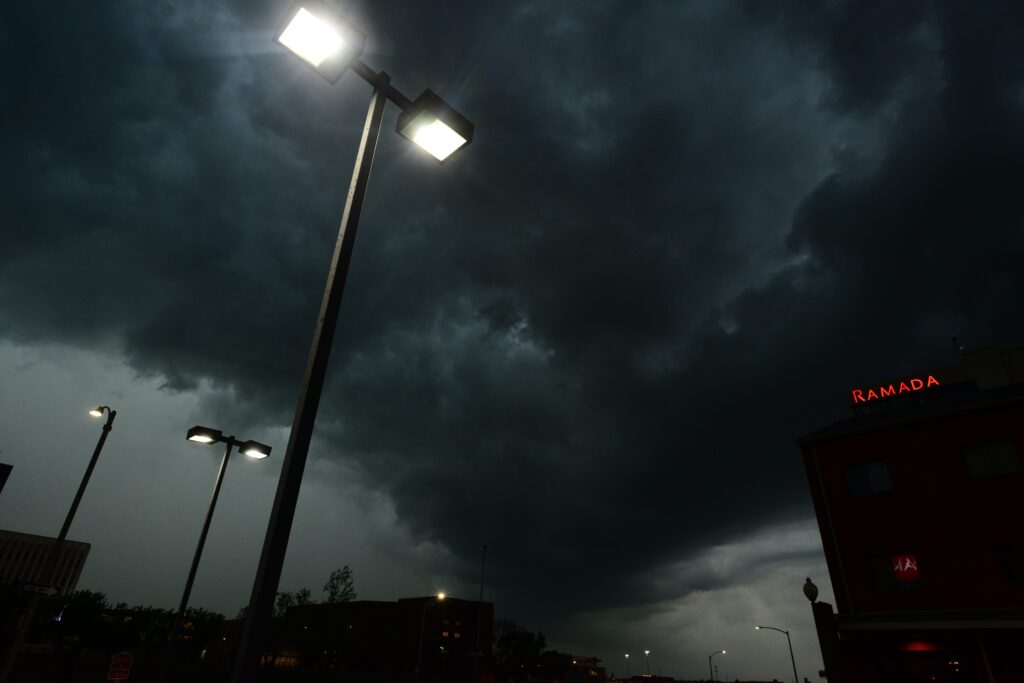
The National Weather Service has placed multiple regions on high alert Wednesday evening due to the threat of significant flooding from ongoing storms. Officials indicate that intense downpours could trigger rapid water rises in vulnerable locations throughout the central and southern parts of the country.
Residents in affected zones are urged to remain vigilant as weather conditions evolve rapidly.
Meteorologists highlight the persistent danger of sudden inundations triggered by prolonged heavy precipitation.
“Flash flooding caused by excessive rainfall continues to be possible,” the National Weather Service warns.
Forecasters describe how accumulated water from storms could overwhelm natural and man-made drainage systems.
“Excessive runoff may result in additional flooding of rivers, creeks, streams, and other low-lying and flood-prone locations. Flooding may occur in poor drainage and urban areas. Low-water crossings may be flooded. Extensive street flooding and flooding of creeks and rivers are possible. Area creeks and streams are running high and could flood with more heavy rain.”
The flood watch covers a broad geographic area spanning seven states where atmospheric patterns favor continued moisture and instability. Communities across these regions face heightened chances of water-related disruptions to daily life and travel.
The states currently included in the alert are Kansas, Oklahoma, Texas, Arkansas, Illinois, Missouri, and Louisiana. This widespread coverage underscores the scale of the weather system impacting much of the nation’s midsection and Gulf Coast vicinity.
Emergency managers emphasize the importance of staying informed through official channels.
“You should monitor later forecasts and be prepared to take action should Flash Flood Warnings be issued,” the warning adds.
Individuals should exercise caution by avoiding zones known to collect water quickly during storms. This includes steering clear of stream beds, drainage channels, and underpasses where water levels can rise without warning.
If rising waters begin to encroach on homes or workplaces, moving immediately to elevated terrain represents the safest response. Preparation in advance can make a critical difference when conditions deteriorate suddenly.
Those residing or employed in historically flood-susceptible neighborhoods need to maintain heightened awareness whenever heavy precipitation develops. Regular checks of local weather updates can help families and businesses respond effectively.
Visibility challenges during nighttime hours compound the difficulties of identifying flood hazards in time. Drivers and pedestrians alike must treat any standing or moving water with extreme respect, as even shallow depths can hide dangerous currents.
As the storm system progresses, authorities continue to stress personal responsibility in flood preparedness. Following these guidelines helps protect lives and property while minimizing the overall impact of severe weather events.
Residents throughout the watch area are encouraged to review their emergency plans and share safety information with neighbors and loved ones.