
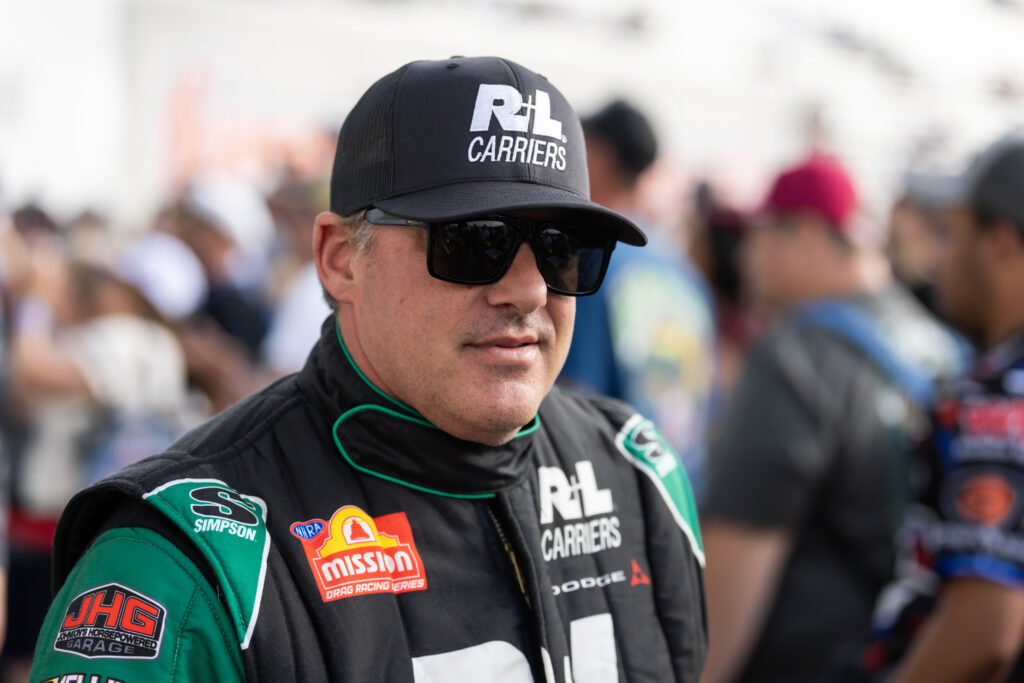
Tony Stewart has taken a strong public stance regarding the recent passing of NASCAR driver Kyle Busch, acknowledging the widespread conversations surrounding his longtime rival and friend.
The motorsports world was shocked by Busch’s untimely death on May 21, which resulted from severe pneumonia that rapidly advanced into sepsis. This tragic event occurred shortly after his victory in the Ecosave 200 at Dover Motor Speedway, cutting short a vibrant life at just 41 years old.
In the immediate aftermath, Stewart shared a touching tribute on social media that reflected the deep emotional impact of the loss. The statement highlighted Busch’s competitive spirit and personal qualities that left a lasting impression on those around him.
“Kyle Busch was a fierce competitor. He was strong-willed, confident not only in his ability behind the wheel, but in his opinions. He held his own and didn’t mince words. Early on, we didn’t always see eye to eye, but in 2008, he became my teammate at Joe Gibbs Racing… and he was a great teammate. He pushed me to be better, and we always had respect for one another. It was easy to see that Kyle was going to be a future champion,” Stewart wrote.
“What a loss for the NASCAR community and the motorsports community as a whole. Kyle was one of a kind. Whether it was to see him win or to see someone beat him, you watched. Even the haters will miss Kyle. They’ll learn in the coming weeks who he was as a person, a husband and a father. My heart goes out to his wife, Samantha, his kids Brexton and Lennix, his parents Tom and Gaye, and to his brother Kurt.”
Stewart’s words captured both the professional admiration and personal sorrow felt throughout the racing fraternity. His message emphasized Busch’s unique presence on the track, where his bold personality drew viewers regardless of whether they rooted for or against him.
Several weeks after the tragedy, Stewart addressed Busch’s enduring legacy during an appearance at Bristol Dragway. In his remarks, he expressed clear frustration over the media and public handling of the driver’s death, particularly how it shifted focus only after the fact.
“I guess the biggest thing in this tragedy that’s happened that [expletives] me off the most is that now everybody wants to talk about how he was as a person. Outside of that, all they wanted to do is judge what they saw on TV,” Stewart said.
“It’s frustrating. That’s the way every one of us are judged by what they see on TV and then once you die, they want to talk about how good a person you were. That’s the part that [expletives] me off the most about it right now.”
“Should’ve given him a chance to learn him as a person before they judged him in the first place. So, right now, I don’t care about educating everybody about how Kyle Busch was. I know how Kyle Busch was,” Stewart continued. “The fact that they all want to learn now, they’re the [expletives] for not taking the time to learn him and accept him for who he was back then. You want to wait until a guy dies and then care about who he was as a person is the part that pisses me off about everybody.”
These candid observations from Stewart shed light on broader issues within sports culture, where public figures often face scrutiny based solely on on-camera moments. His perspective underscores the importance of understanding athletes beyond their highlights and controversies while they are still active.
Busch’s supporters have widely embraced Stewart’s forthright comments, viewing them as a genuine reflection of the driver’s true character. Many see the tribute as validation of Busch’s contributions both in racing and in his private life as a family man.
The racing community continues to grapple with this significant loss, remembering Busch not just for his achievements on the asphalt but for the complex individual he represented. Stewart’s ongoing willingness to speak out suggests that discussions about honoring Busch’s full story are far from over.
As tributes pour in from across the NASCAR landscape, Stewart’s words serve as a reminder of the need for empathy and deeper appreciation during an athlete’s career rather than solely in its absence.
This approach could influence how future legacies are discussed and celebrated in the world of professional motorsports.