
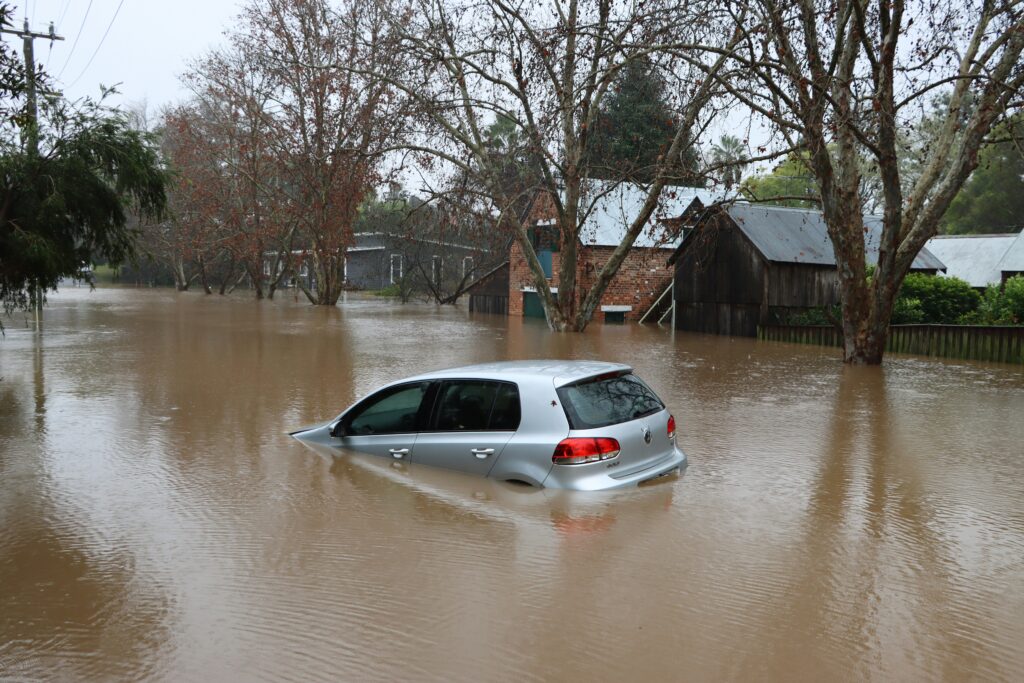
Southern China is grappling with the aftermath of severe flooding triggered by Tropical Storm Maysak, which has resulted in at least 39 fatalities according to local authorities.
The disaster has highlighted the region’s vulnerability to extreme weather, even as residents and officials prepare for yet another powerful storm system moving in from the Pacific.
The majority of the deaths—26 in total—stemmed from the catastrophic failure of a dam east of Nanning, the capital of Guangxi region. During a news briefing on Thursday, city vice mayor Ding Wei detailed the toll, noting that nine additional people remain missing across the broader area.
This marks a sharp rise from the earlier reported figure of just six deaths, underscoring how quickly the situation deteriorated as floodwaters overwhelmed communities.
Maysak unleashed record-breaking rains across Guangxi beginning last Saturday, with some locations receiving between 10 and 40 centimeters of precipitation, while the hardest-hit zones saw accumulations exceeding 90 centimeters (nearly three feet).
These deluges caused reservoirs to overflow and breach, sending powerful torrents rushing through towns and cities. Many residents found themselves stranded for days inside homes and other structures, cut off from escape routes by the surging waters.
In response, authorities launched an extensive rescue and relief effort. Teams deployed drones and more than 5,700 boats to navigate treacherous currents and debris, successfully evacuating around 130,000 people from danger zones.
The operation has been challenging, requiring rescuers to push through hazardous conditions to reach those still trapped.
As floodwaters begin to recede in some parts of the region, recovery efforts are shifting focus. Crews are working to clear mud and debris from affected towns, particularly in Hengzhou city under Nanning’s jurisdiction, while also carrying out disinfection operations to prevent disease outbreaks.
Road repairs are underway, and power has been restored to more than 60,000 households. However, Ding cautioned that additional rainfall is expected over the next couple of days, which could complicate ongoing work.
The region is not out of the woods yet. Forecasters are closely monitoring Typhoon Bavi, which is expected to skirt just north of Taiwan—home to 23 million people—bringing heavy rains to the island before making landfall along China’s eastern coast in Zhejiang or Fujian province around Saturday.
This successive wave of storms adds urgency to preparedness measures across coastal areas already strained by recent weather events.
This latest disaster comes amid a pattern of intense weather impacting parts of China, serving as a reminder of the growing challenges posed by climate variability in densely populated regions. Local and national officials continue to prioritize both immediate relief and longer-term resilience as communities begin the difficult process of rebuilding.