The New York Mets made a significant leadership change on Friday morning, parting ways with manager Carlos Mendoza amid ongoing struggles for the franchise. The decision came ahead of the team’s matchup against the Boston Red Sox, sending ripples through the baseball world, particularly in the competitive landscape of New York sports.
This move reflects deeper challenges the organization has faced in recent seasons, prompting discussions about accountability at the highest levels of Major League Baseball.
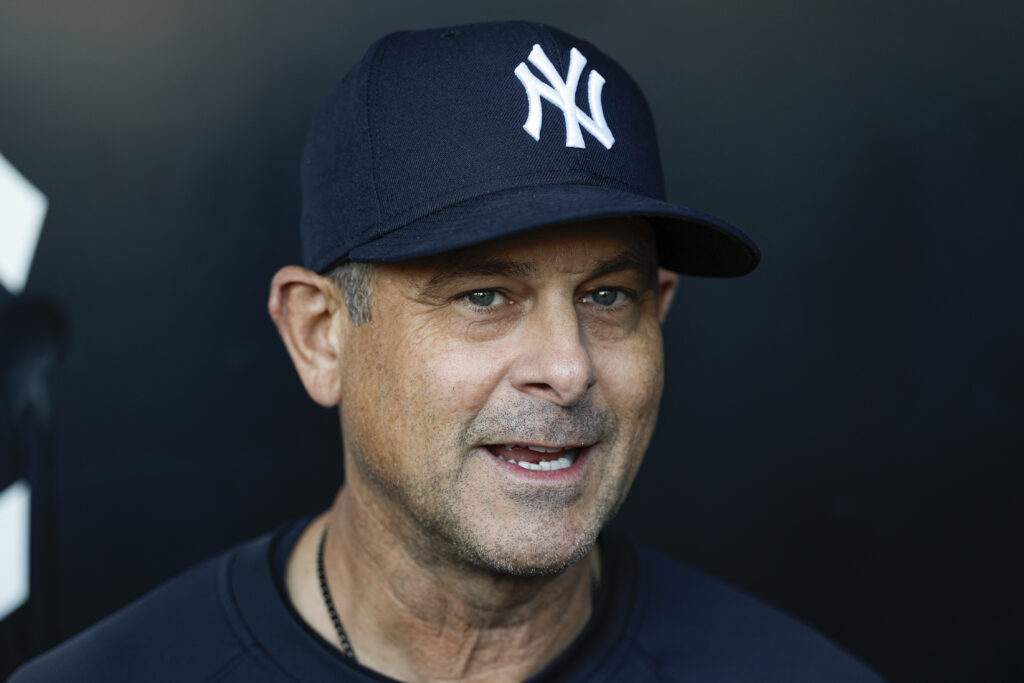
New York Yankees skipper Aaron Boone offered his perspective on the development during pregame interviews. He expressed a nuanced view of the situation involving his longtime colleague. Boone’s comments highlighted both the unexpected timing and the understandable pressures building within the Mets’ camp.
“Surprised, but not surprised,” Boone said. “I talked to Mendy. Obviously, it’s a tough situation over there right now with what they’ve been through this year and even going back to last year.”
The professional bond between Boone and Mendoza runs deep, spanning several years of collaboration. Mendoza previously served under Boone in various coaching capacities with the Yankees, including roles as infield instructor and later as bench coach.
"I talked to Mendy. Obviously, it's a tough situation over there right now with what they've been through this year and even going back to last year. Mendy's in a good place."
— SNY Yankees (@snyyankees) June 26, 2026
Aaron Boone reacts to the Mets firing Carlos Mendoza: pic.twitter.com/Mu1OiN7LL7
Their connection strengthened when Mendoza pursued the managerial opening with the crosstown Mets, where Boone emerged as one of his most vocal advocates. Even as rivals in the same city, the pair maintained a close friendship and continued to exchange insights.
This shared history made Mendoza’s exit from the Yankees organization particularly notable at the time, representing a notable departure of talent from the Bronx. Observers often viewed it as a loss for New York baseball overall, given the mutual respect that defined their working relationship. The transition to Queens allowed Mendoza to step into a prominent leadership position, but recent team performances have tested that opportunity.
With a disappointing 34-47 record early in the campaign, the Mets appeared headed for another season without postseason participation. Sitting at the bottom of the NL East standings, the club trailed the division-leading Atlanta Braves by 15 games and sat 9.5 games behind the final wild-card berth in the National League.
High expectations accompany the Mets due to substantial financial investments from ownership and one of the sport’s largest payrolls, making consecutive playoff misses a catalyst for change.
Boone emphasized the positive attributes that define Mendoza’s approach to the game. He pointed to Mendoza’s capabilities and character as reasons for optimism about future opportunities. Such endorsements from a peer in a similar high-pressure role carry significant weight across the industry.
“He’s really good at what he does,” Boone continued. “He’s a great leader. As time goes on, my expectation is that he will be in line for another job in a lot of different ways, shapes, and forms. He has earned a strong reputation in the industry, and even through all this, it solidified that reputation.”
Mendoza’s overall mark with the Mets stood at 206-199 upon his departure. His tenure included a noteworthy postseason journey the previous year, culminating in an appearance in the National League Championship Series. That achievement provided a bright spot amid broader inconsistencies, showcasing the potential within the roster when momentum aligned favorably.
In the immediate aftermath, the Mets turned to Andy Green, the team’s vice president of player development, to serve as interim manager. This internal promotion suggests a desire for continuity in philosophy and operations during the transition period. Team officials have given no signals of shifting toward a sell-off strategy at the upcoming trade deadline, indicating they intend to compete despite the current standings.
The broader implications of this managerial shift extend beyond one franchise. It underscores the intense scrutiny faced by leaders in large-market teams where resources are abundant but results must match ambitions.
As the season progresses, attention will turn to how the Mets regroup and whether Mendoza’s next chapter brings him back into a dugout soon, potentially with renewed success built on the foundation he has already established.