
In the Philippines, one of the world’s most restless volcanoes reminded everyone of its power on June 30, 2026. Taal Volcano, nestled in Batangas province south of Manila, unleashed a brief but striking phreatomagmatic eruption that captured global attention through dramatic video footage.
The event unfolded in the volcano’s main crater, where rising magma met the waters of the crater lake in a violent interaction. This type of eruption occurs when molten rock encounters water, flashing it instantly into steam and generating explosive forces.
During the afternoon activity, observers recorded plumes of dark gray ash and steam shooting up to around 1,200 meters (nearly 4,000 feet) above the crater rim in some accounts, though earlier measurements that day noted heights closer to 450 meters. The bursts lasted only a few minutes—roughly four to four-and-a-half—yet the visuals were unforgettable.
Video captured by monitoring cameras shows the calm blue lake suddenly churning as jets of material erupted in pulses. A thick column billowed upward before drifting southwest with the wind.
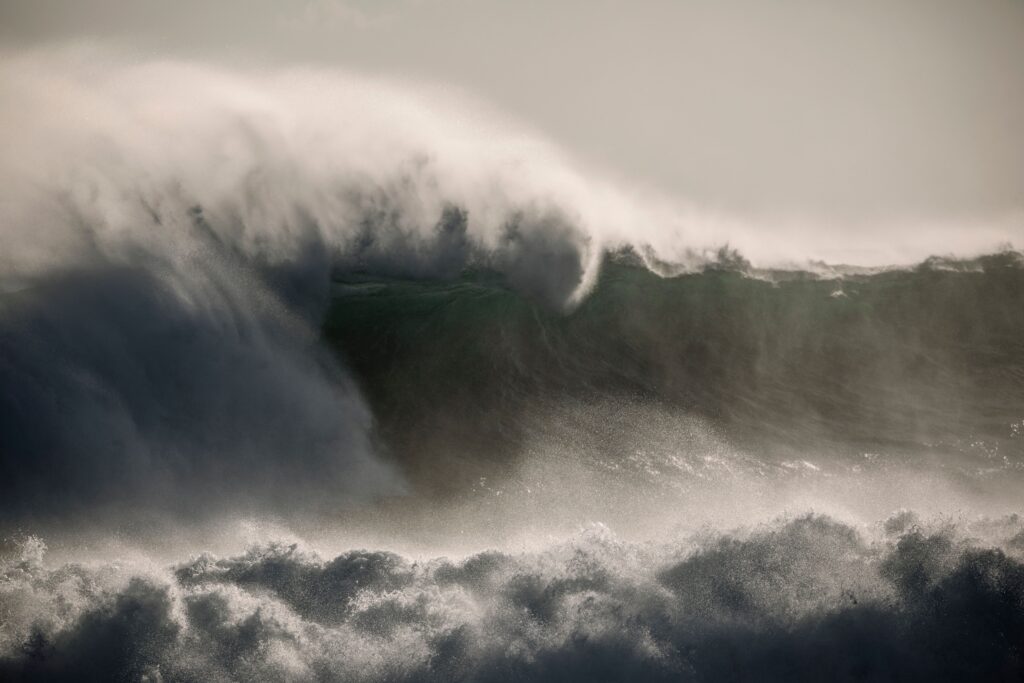
What made the scene particularly compelling was the generation of small tsunami-like waves rippling across the surface of the crater lake itself. These waves stayed contained within the lake and caused no notable damage or injuries, but they illustrated the raw energy released when water and volcanic forces collide.
Authorities from the Philippine Institute of Volcanology and Seismology (PHIVOLCS) classified the activity as minor and kept the alert level at 1.
This level indicates low-level unrest, with the possibility of sudden hazardous eruptions still present. Residents and tourists are reminded to avoid the permanent danger zone around Taal Lake, especially the volcano island at its center.
Taal has a long history of such events. Its location within a large caldera filled with water makes phreatomagmatic activity relatively common.
Earlier in the same month, similar short-lived eruptions occurred, following a pattern of intermittent bursts rather than prolonged explosive phases. Monitoring over the following day showed continued gas emissions, including significant sulfur dioxide output, but no major seismic activity or signs of escalation immediately followed.
For locals living near the volcano, these episodes serve as both a spectacle and a sobering reminder. Taal sits in a densely populated region, and even minor events can disrupt daily life through ashfall or air quality concerns. Scientists continue to watch closely, using a network of cameras, seismic sensors, and gas measurements to track any changes beneath the surface.
The footage from this latest eruption has circulated widely, offering a rare close-up view of nature’s power in action.
While the waves remained confined and the plumes eventually dissipated, the event underscores why Taal ranks among the most closely monitored volcanoes on the planet. In a region shaped by the volatile Ring of Fire, such displays highlight the delicate balance between beauty and potential hazard.