
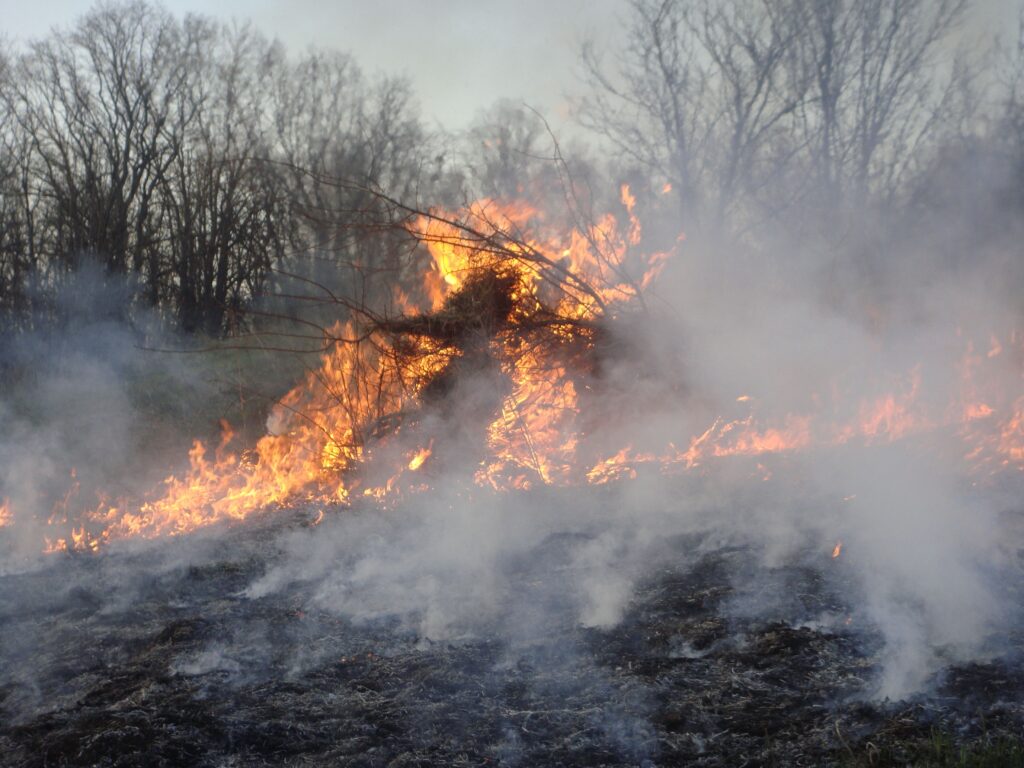
As summer heat intensifies across northern regions, Canada is grappling with one of its most challenging wildfire seasons in recent memory.
Officials report that more than 3,000 residents have already been evacuated from threatened areas, with the situation remaining fluid and potentially worsening as blazes continue to spread through dry forests and remote communities.
The fires have hit particularly hard in provinces like Manitoba, where a provincial state of emergency has been declared. Premier Wab Kinew described the evacuations as among the largest the province has seen in decades, affecting thousands in places such as Flin Flon and surrounding northern towns.
Residents have been urged to leave quickly, often relying on military support for transportation out of isolated zones. Similar displacement is occurring in neighboring Saskatchewan and parts of Alberta, where dry conditions and strong winds have fueled rapid fire growth.
Firefighters and emergency teams are working around the clock, supported by water bombers and ground crews, yet the scale of the outbreaks has stretched resources thin.
In Manitoba alone, dozens of fires remain active, scorching vast tracts of land—far exceeding typical averages for this time of year. Prolonged warm, dry weather, compounded by broader climate trends, has created ideal conditions for these blazes to ignite and expand quickly.
Communities are feeling the strain. Families have been relocated to temporary shelters, with reports of people sleeping on floors and waiting anxiously for updates.
Indigenous leaders have highlighted the emotional toll, calling for unity and additional aid as children and elders face disruption. Power outages and infrastructure damage have further complicated efforts in affected areas, prompting requests for federal assistance, including military aircraft and personnel.
Beyond the immediate danger to lives and property, the wildfires are generating significant smoke that is drifting across borders. Air quality alerts have been issued in parts of Canada and even extending into some U.S. states, affecting visibility and health for millions.
Experts warn that without substantial rainfall or a shift in weather patterns, the coming days could prove decisive in containing the fires.
This season echoes the record-breaking challenges of previous years, underscoring the growing vulnerability of Canadian landscapes to extreme weather.
Authorities continue to monitor the situation closely, advising residents to heed evacuation orders and prepare for potential further disruptions. As the battle against the flames persists, the focus remains on protecting communities while hoping for conditions that allow firefighters to gain the upper hand.