The Baltimore Ravens may look back with relief on their decision to avoid surrendering two first-round draft selections to the Las Vegas Raiders in exchange for edge rusher Maxx Crosby during the recent offseason.
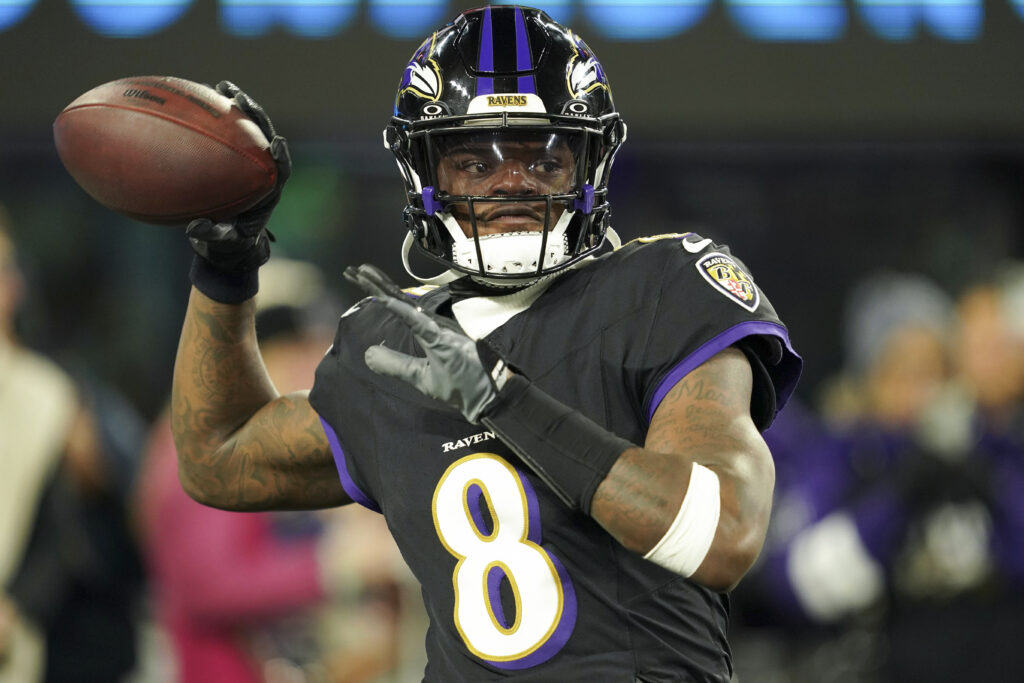
Preserving that valuable draft capital now appears wise, as the organization could soon require every available resource to address critical needs at the quarterback position. With Lamar Jackson entering a pivotal phase of his career in Baltimore, the franchise must prepare for potential transitions ahead.
ESPN draft analyst Mel Kiper Jr. recently floated the possibility that the upcoming 2026 campaign might represent Jackson’s final year with the Ravens. He suggested that a disappointing performance under new head coach Jesse Minter and offensive coordinator Declan Doyle could accelerate changes at the most important position on the field.
Prominent sports commentator Colin Cowherd echoed concerns about the financial realities facing the Ravens. He pointed to Jackson’s impending salary escalation as a major obstacle, noting that the quarterback’s cap figure is projected to surge dramatically.
“So seven of the top eight quarterback cap hits missed the playoffs last season,” Cowherd said. “I couldn’t pay Lamar Jackson 84 million. I don’t know.”
Cowherd continued his analysis by highlighting the contrast in Jackson’s performance levels.
“And here’s the thing, Lamar has been okay in the playoffs, but he’s so good in the regular season. And then you look at his playoff numbers, and it kind of gets into a Case Keenum category.”
Jackson enters the new season as a decorated veteran, boasting two NFL MVP awards earned for his exceptional regular-season contributions. Despite that individual excellence, his postseason record stands at 3-5, underscoring the challenges he has faced when the stakes are highest.
Team officials and analysts increasingly view 2027 as a potential turning point, when the Ravens might choose to part ways with their longtime starting quarterback. That scenario makes the 2026 NFL Draft a crucial opportunity for Baltimore to identify and develop a successor.
Fortunately for the Ravens, they currently hold an impressive 11 draft selections for the upcoming April event. This substantial pool of picks provides ample flexibility to target a promising young quarterback who can develop within the system.
The depth chart at quarterback remains thin beyond Jackson, with only Tyler Huntley currently on the roster as a backup option. Adding a rookie through the draft would allow the team to bring in fresh talent capable of challenging for the No. 2 role immediately while positioning that player as a viable long-term solution.
Such a move would give Minter and the front office breathing room to evaluate options. A developmental quarterback could compete this season and potentially step into a starting role by 2027 if the coaching staff decides to pursue a new direction in the second year of the regime.
This strategic approach balances short-term stability with future planning at a position that defines NFL success.