
A swimmer suffered a serious injury Friday afternoon at Jones Beach State Park in New York when he was bitten on the foot in what lifeguards suspect was a shark encounter.
The incident occurred around noon at Field 6, as large crowds gathered to beat the intense summer heat and watch the Blue Angels practice their aerobatic maneuvers for the upcoming July 4th celebrations. Witnesses described a dramatic scene reminiscent of classic shark encounter stories.
According to lifeguard Kate Maio, the victim rushed to the lifeguard stand in distress, reporting that he had been bitten and refusing to look at the wound. “He came running over… his foot was bleeding and he was saying, ‘I got bit, I got bit! I don’t want to look,’” she recounted.
The injury was a deep, clean gash along the man’s toes that exposed the bone underneath. The victim described the sensation as a sudden jaw-like clamping motion. Maio and her partner quickly applied first aid, using a shirt as an improvised tourniquet to control the bleeding, which intensified during treatment.
The swimmer had been in the water near the green flags marking the designated swimming area, close to spots where fishermen often set up.
He did not see the shark, but another beachgoer reported spotting a fin swimming away shortly after the bite.
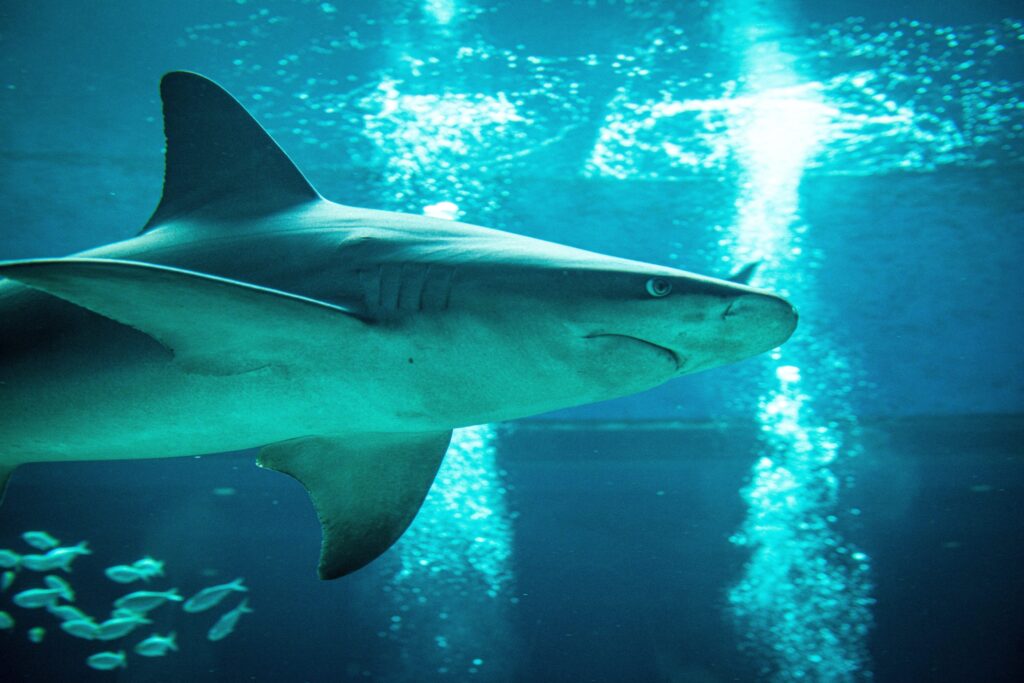
Lifeguards believe the responsible party may have been a young sand tiger shark, based on the nature of the wound. The man was transported by EMS to a local hospital, where officials expect him to recover fully.
This event took place amid sweltering conditions, with temperatures nearing 100 degrees Fahrenheit drawing hundreds of people to the shoreline. Many were also there to view the Navy’s Blue Angels aerial displays overhead.
It marks what appears to be the first confirmed shark-related incident of the summer at Jones Beach. Just a day earlier, nearby beaches including Rockaway Beach were temporarily closed due to multiple shark sightings, including a group of bull sharks and a large 9-foot specimen spotted at Point Lookout.
Shark activity tends to increase in the region around early July as ocean waters warm, attracting the predators and their natural prey.
Experts note that such bites on humans are typically accidental “test bites,” as sharks often mistake feet or limbs for fish, and humans are not part of their regular diet.
Beachgoers are reminded to remain vigilant, especially near fishing areas or during periods of heightened marine activity. Officials continue to monitor local waters as the holiday weekend approaches.