Deion Sanders continues to steer the University of Colorado football program as it heads into its fourth season under his leadership. Since taking over in 2023, the longtime coach has brought significant attention to the Buffaloes, though on-field results have followed an uneven path. Early optimism from his arrival has given way to a mix of breakthrough moments and disappointing setbacks, raising questions about whether sustained success is finally on the horizon.
The debut campaign in 2023 offered glimpses of potential but ended with a 4-8 record. Fans and observers noted the foundation being laid amid the transition. The following year, 2024, represented a clear step forward, as the team posted a strong 9-4 mark.
That season also featured star player Travis Hunter capturing the Heisman Trophy, elevating the program’s national profile.
Yet momentum proved difficult to maintain. The 2025 season saw Colorado slide backward to a 3-9 finish, missing out on bowl eligibility and closing the year with an overall losing record. As the program prepares for what many are calling a pivotal Year 4, the central question remains whether Sanders can deliver consistent high-level performance on the gridiron.
Sanders himself remains confident that transformation has already taken place beneath the surface. He has pushed back against narratives focused solely on recent struggles, insisting the necessary changes are firmly in place even if visible outcomes have lagged. His message to those doubting the progress centers on patience and belief in the unseen groundwork.
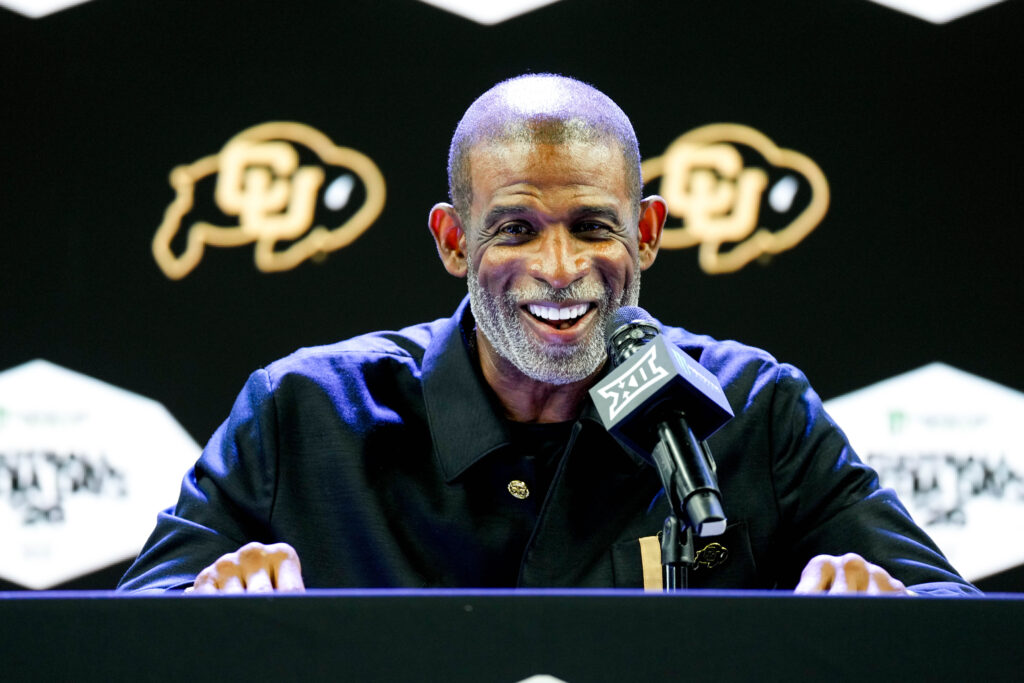
During a recent session with reporters, Sanders delivered a direct assurance about the state of the program. “It’s already turned,” he said Tuesday.
“You just ain’t seen the fruit. It’s already there.”
The coach has openly reflected on factors that may have contributed to the 2025 downturn. Health challenges played a notable role, including battles with bladder cancer and a leg infection that affected his day-to-day leadership. Sanders has taken personal accountability for not addressing certain issues as quickly as he might have under normal circumstances.
He addressed those shortcomings candidly in comments reported by ESPN.
“And that’s where I was,” he said. “So, I’m putting that on me. I’m putting that on me, that it was some holes that I saw that I didn’t make the adjustments on. I should have shot some things early on.”
Looking ahead, Sanders prefers to channel energy into the present rather than speculating on long-term projections. His philosophy emphasizes dominating each day as it comes, allowing future results to emerge from consistent daily focus. This mindset appears designed to keep the team grounded amid external pressure and expectations.
“Let’s not talk about tomorrow. We got today at hand. Yeah. I’m going to focus on it now. When I’m [at] my best, I focus on it now and I dominate the now. Then I deal with the next day,” he explained.
As Colorado enters this next chapter, the football community watches closely to see how the program responds. Supporters point to the talent pipeline and cultural shifts Sanders has introduced, while skeptics highlight the need for tangible wins to validate the rebuild.
The coming season will test whether the invisible progress Sanders describes can finally bear fruit in the standings.
Ultimately, the Buffaloes’ trajectory under Coach Prime hinges on execution, health, and the ability to convert belief into results. With a new campaign on the horizon, the stage is set for another chapter in one of college football’s most watched stories.