
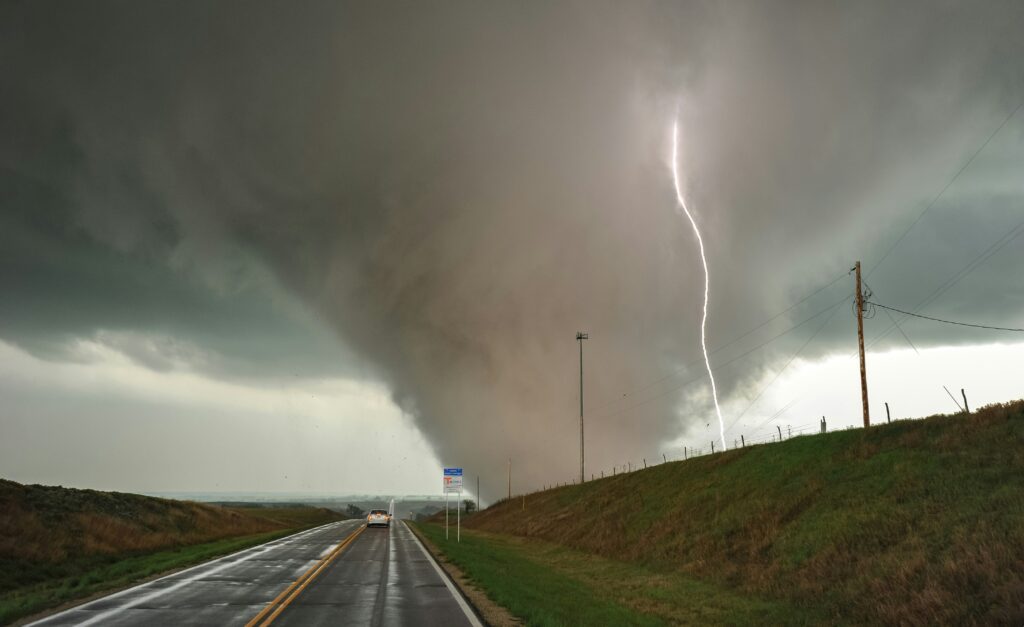
The National Weather Service has issued a tornado watch covering portions of the northern Plains on the evening of Monday, June 29. Residents in three states are being urged to remain alert as conditions could quickly turn severe.
This alert affects Minnesota, South Dakota, and North Dakota. Forecasters indicate that the atmosphere is primed for rapid development of strong thunderstorms capable of producing dangerous rotation.
Officials warn that “strong” tornadoes with wind gusts up to 70 MPH and scattered hail up to tennis-ball size could strike in three different U.S. states on Monday evening. Such threats highlight the need for immediate preparedness among those living and working in the watched areas.
A tornado watch has been issued for parts of Minnesota, North Dakota and South Dakota until 10 PM CDT pic.twitter.com/HXsDavXGZG
— NWS Tornado (@NWStornado) June 29, 2026
The combination of atmospheric instability and wind shear is creating an environment where supercell thunderstorms may form. These storms can spawn sudden, intense hazards that demand constant monitoring throughout the evening hours.
Communities across the affected region should review their emergency plans now. Even a brief window of advance notice can make a significant difference in personal safety outcomes.
As a reminder, here’s what to do when tornadoes strike:Stay Weather-Ready: Continue to listen to local news or a NOAA Weather Radio to stay updated about tornado watches and warnings.
At Your House: If you are in a tornado warning, go to your basement, safe room, or an interior room away from windows. Don’t forget pets if time allows.
At Your Workplace or School: Follow your tornado drill and proceed to your tornado shelter location quickly and calmly. Stay away from windows and do not go to large open rooms such as cafeterias, gymnasiums, or auditoriums.
Outside: Seek shelter inside a sturdy building immediately if a tornado is approaching. Sheds and storage facilities are not safe. Neither is a mobile home or tent. If you have time, get to a safe building.
In a vehicle: Being in a vehicle during a tornado is not safe. The best course of action is to drive to the closest shelter. If you are unable to make it to a safe shelter, either get down in your car and cover your head, or abandon your car and seek shelter in a low lying area such as a ditch or ravine.
Experts emphasize that taking these steps without delay can greatly reduce risk during rapidly evolving weather events. Families and individuals are encouraged to identify their safest locations well before any warning is issued. Evening hours often bring heightened challenges for visibility and communication, making proactive listening to official updates even more critical.
Staying informed through multiple channels helps ensure timely reactions as the situation develops.