
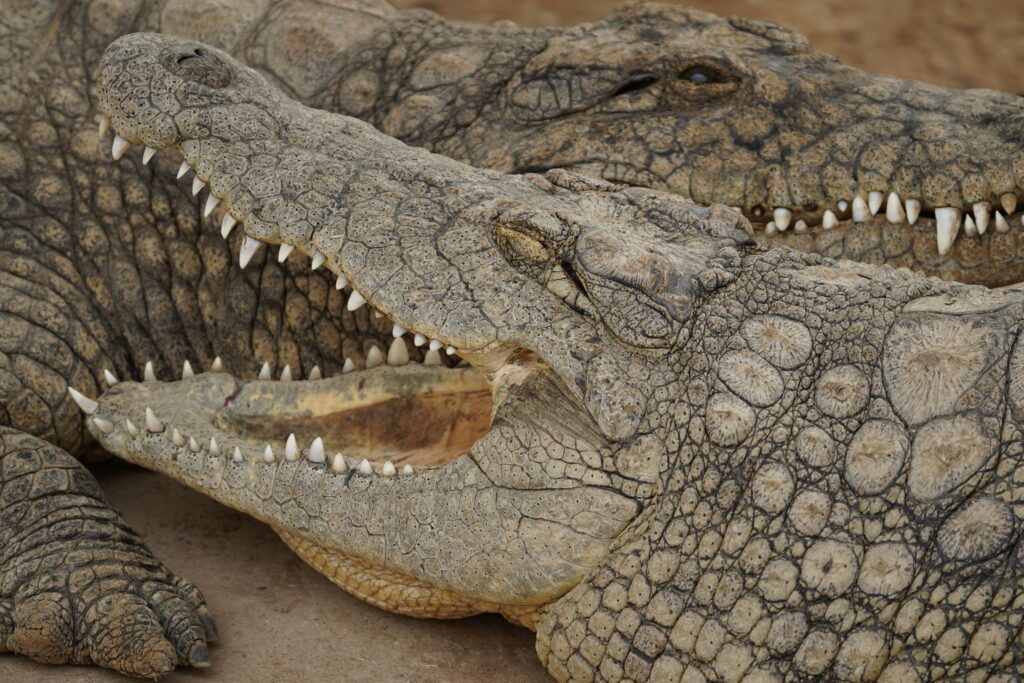
In a move that has sparked significant debate within environmental and legal circles, Israel’s Environmental Protection Minister Idit Silman has taken a notable step to facilitate a bold initiative pushed by National Security Minister Itamar Ben Gvir. Silman, a member of the Likud party, to recently change the classification of the Nile crocodile from a strictly protected wild species to one categorized as “tended.”
This adjustment effectively opens the door for using these formidable reptiles as part of enhanced security measures around detention facilities.
The decision, which came despite clear reservations from experts in her own ministry, reflects the determination of Ben Gvir and his allies to implement unconventional methods for managing high-risk prisoners.
Ben Gvir first floated the idea late last year during discussions with senior prison officials, suggesting that surrounding certain facilities with crocodiles could deter escapes and bolster security, particularly for Palestinian security inmates. His proposal gained momentum with a subsequent visit by prison service representatives to a crocodile farm at Hamat Gader in northern Israel, where they explored practical aspects of acquiring and maintaining the animals.
Critics within the Israel Nature and Parks Authority have long opposed the concept, emphasizing that current regulations limit the keeping of crocodiles primarily to educational or research settings in licensed zoos and sanctuaries.
Officials have argued that the creatures, as wild animals, require protection rather than deployment in human-controlled environments like prisons. One authority representative reportedly conveyed to the ministers that the spirit of the law focuses on safeguarding these animals, not enlisting them for security duties.
Silman’s reclassification bypasses some of these restrictions by allowing “tended” crocodiles to be held in other approved locations, with conditions set by the Nature and Parks Authority director to minimize environmental disruption.
However, the move has raised eyebrows for appearing to sidestep advice from the Environmental Protection Ministry’s legal adviser, who cautioned that the minister lacked unilateral authority to greenlight such a framework. Despite this, Silman proceeded, setting the stage for further discussions within the authority’s plenum.
Reports indicate that the initial focus could be on Ketziot Prison in southern Israel, with considerations also underway for a potential site near the Hamat Gader farm by the Sea of Galilee.
The entire proposal draws loose inspiration from the South Florida Detention Facility—informally dubbed Alligator Alcatraz—which uses the natural presence of alligators in the Everglades to enhance perimeter security for migrant detainees. That American facility has encountered its share of criticism, including legal challenges over conditions and environmental impacts.
This development highlights ongoing tensions between security priorities and environmental stewardship in Israeli policymaking. While proponents see the crocodile plan as an innovative deterrent, opponents warn it could undermine wildlife protection principles and invite unnecessary complications.
As the Nature and Parks Authority prepares to revisit the issue, the outcome will likely influence not only prison operations but also broader debates about balancing public safety with ecological responsibilities.