
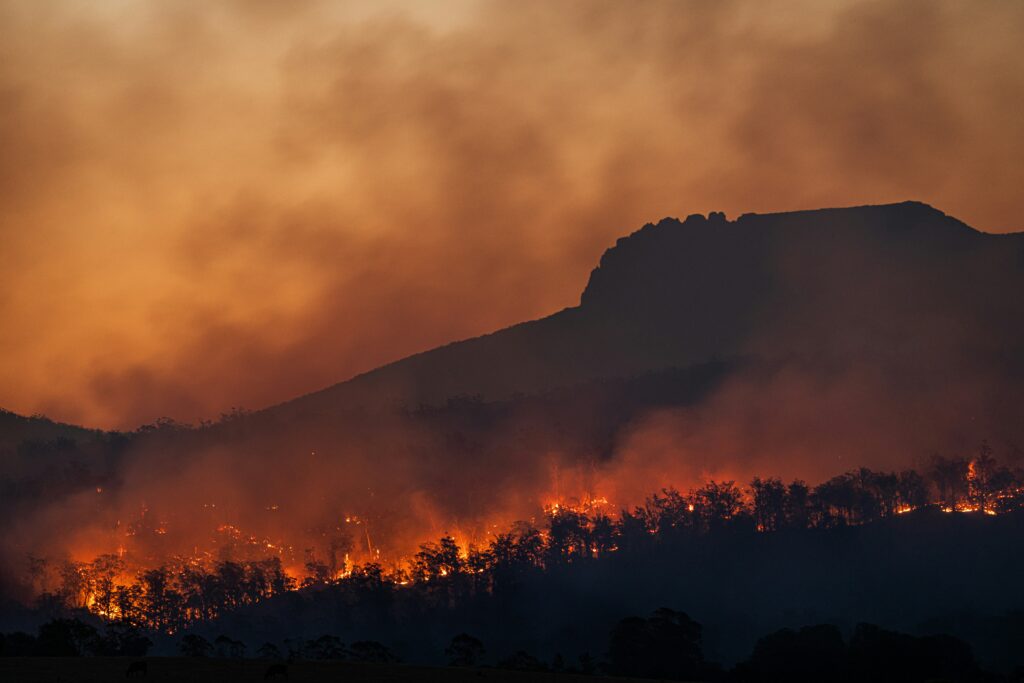
Across the northern United States, deteriorating air quality has become a pressing concern as thick smoke from raging wildfires in Canada drifts southward. Officials report that more than a dozen states are now experiencing the effects of this cross-border pollution, prompting widespread alerts and health advisories.
The influx of wildfire smoke has led to hazy skies and heightened respiratory risks for millions of residents, turning what is typically a summer season of outdoor enjoyment into a period of caution and limited activity.
On Wednesday, the National Weather Service took decisive action by issuing formal air quality warnings covering 17 states. Authorities are strongly encouraging people in affected regions to prepare for several days of compromised conditions and to follow recommended safety measures closely. This development highlights the far-reaching consequences of Canadian wildfires, which continue to send large plumes of particulate matter across international borders.
The official alert warned, “Smoke from Canadian wildfires will adversely impact air quality. The Agency expects the Air Quality Index to be in the ‘unhealthy for sensitive groups’ range.”
Such conditions can exacerbate existing health problems and create discomfort even for those without prior respiratory issues. Experts emphasize that the situation may persist depending on wind patterns and the intensity of the fires farther north.
The complete list of states placed under alert includes Connecticut, Delaware, Illinois, Indiana, Kentucky, Massachusetts, Maryland, Michigan, Minnesota, North Carolina, New Jersey, New York, Ohio, Pennsylvania, Rhode Island, Virginia, and Wisconsin. This broad geographic span demonstrates how a single environmental event in one country can rapidly influence air quality across an entire region of another.
From the Midwest to the Northeast and parts of the South, communities are bracing for reduced visibility and potential health impacts.
Public health officials continue to stress the importance of staying informed through local updates. Residents in these 17 states have been placed on notice to monitor conditions carefully, as the smoke’s movement remains unpredictable.
In many urban centers within these areas, the combination of existing traffic emissions and incoming wildfire particles is creating a more complex pollution challenge than usual.
The detailed guidance in the alert offers clear steps for protection. It states, “Sensitive groups, such as people with lung disease (including asthma), heart disease, and children and older adults, should remain indoors and keep activity levels low. The general public should avoid all physical activities outdoors. Keep windows closed overnight to prevent smoke from getting indoors. Reduce or eliminate activities that contribute to air pollution, such as outdoor burning, and use of residential wood burning devices.”
For families with young children or elderly members, these recommendations carry extra weight. Schools in several affected states may adjust outdoor programs or recess schedules, while outdoor workers and athletes face difficult decisions about rescheduling events. The emphasis on limiting indoor smoke infiltration through closed windows and reduced additional burning aims to create safer home environments during the episode.
Broader awareness of wildfire smoke’s long-distance travel is growing among the public. What begins as localized fires in Canadian forests can, through atmospheric currents, affect air quality hundreds of miles away. This reality underscores the interconnected nature of environmental challenges across North America and the need for coordinated responses between nations.
Communities are also being reminded of practical measures to ease overall air pollution during this time. Simple actions like postponing yard work that involves burning or limiting the use of fireplaces can make a measurable difference when added to the existing smoke burden. Local agencies are expected to provide ongoing updates as the situation evolves over the coming days.
As summer progresses, the frequency of such cross-border smoke events appears to be increasing, driven by changing climate patterns and extended fire seasons. Residents in the listed states are encouraged to stay vigilant, prioritize indoor air quality, and check daily forecasts.
By heeding these precautions, individuals can better safeguard their health while the Canadian wildfires continue to burn and send their smoke southward.