
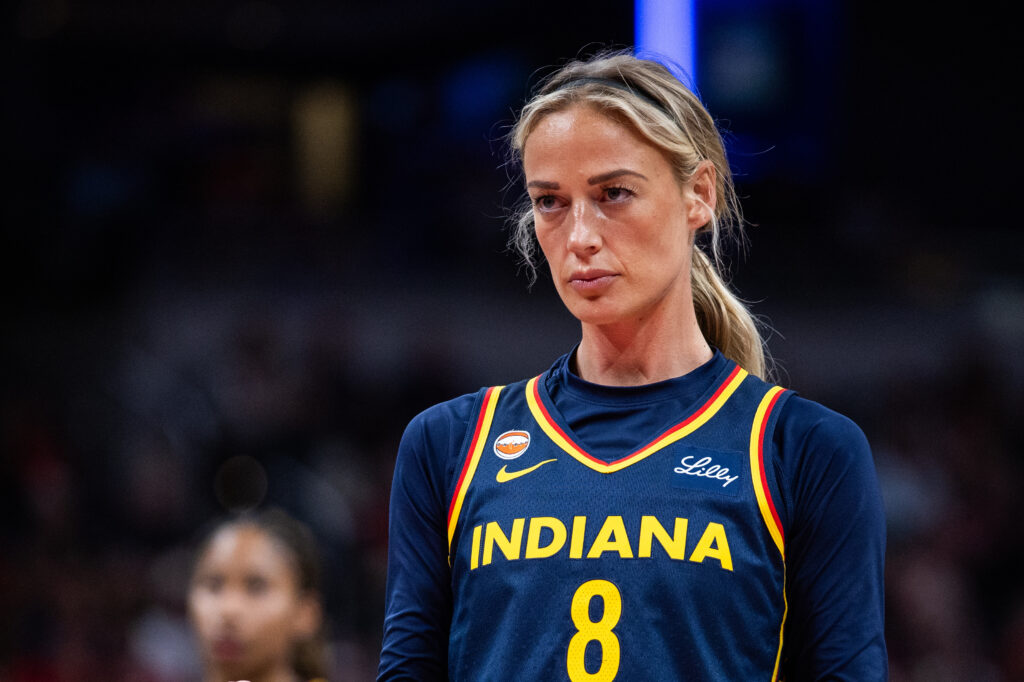
Sophie Cunningham has earned a reputation across the WNBA for her straightforward approach and unwillingness to sugarcoat realities. The Indiana Fever guard, now in her second season with the team after beginning her professional journey in Phoenix, continues to speak candidly about issues that many athletes prefer to keep private.
Her latest comments shed light on the financial landscape facing women’s basketball players, even amid notable improvements in league compensation.
The recent collective bargaining agreement has transformed salary structures for WNBA athletes. Many now earn substantial amounts, with top players reaching seven-figure deals and the majority securing high six-figure contracts. These changes represent meaningful progress, yet Cunningham argues that the raises still fall short of providing long-term security for most participants.
In a revealing conversation on the “Sons and Daughters of Dale Earnhardt Jr.” show, the guard addressed what she described as the harsher side of professional basketball finances. She emphasized the importance of using the current platform to build sustainable futures beyond the court, noting that players must prepare for life after their careers end.
“I am not ignorant. I know that if you use this platform, you can, once the ball stops bouncing, you’re setting yourself up for success, and the players need to start doing that because we don’t make enough money. Even now, after the CBA, we don’t make enough money to retire and not do anything once we’re done,” Cunningham said.
Cunningham’s own contract reflects the league’s evolving pay scale. She currently earns approximately $600,000 per season, a significant jump from the roughly $250,000 she made in earlier years. Despite this increase, she maintains that these figures do not eliminate financial concerns for athletes once their playing days conclude.
Her perspective carries added weight given her rising profile in recent months. Strong performances on the court combined with an engaging personality have boosted her visibility, turning her into one of the league’s more recognizable figures. Fans and observers alike have taken notice of both her skills and her unfiltered commentary.
Beyond her basketball earnings, Cunningham has cultivated a growing portfolio of endorsement deals. Partnerships with prominent brands such as Adidas, Quest Nutrition, and European Wax have expanded her income streams considerably. These opportunities highlight how marketability can supplement base salaries in professional sports.
She also contributes through her podcast, which further extends her reach and opens additional revenue avenues. This multifaceted approach demonstrates a proactive strategy many players are beginning to adopt in response to the limitations of league contracts alone.
While her WNBA salary alone may not guarantee a worry-free retirement, the combination of on-court pay, endorsements, and media ventures positions Cunningham favorably. Experts suggest that careful financial planning could ensure stability well into the future, allowing her to transition smoothly when her playing career ends.
Ultimately, Cunningham’s honesty serves as a valuable reminder for the broader WNBA community. As the league grows in popularity and revenue, her call for smarter long-term preparation underscores an important truth: even with recent advancements, athletes must think beyond their current contracts to secure lasting success.
Her willingness to voice these concerns may inspire others to approach their careers with similar foresight and transparency.