
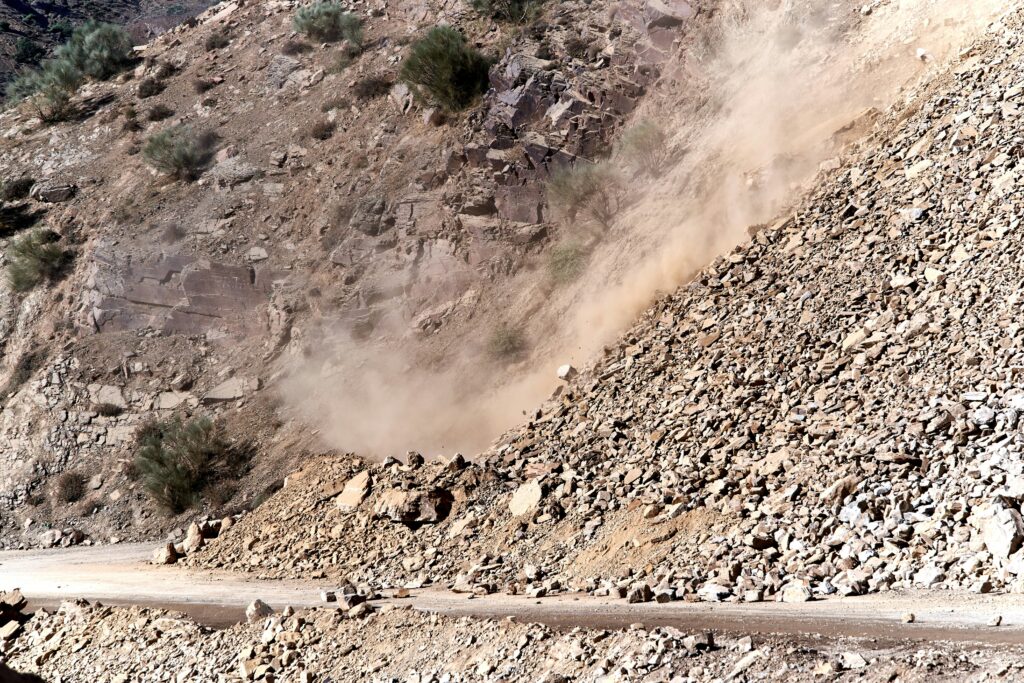
Heavy rains triggered by an approaching typhoon have led to tragic landslides in the southern Philippines, resulting in the deaths of at least 15 people.
The incidents highlight the dangers posed by intense seasonal weather patterns in a region already vulnerable to such natural hazards.
In the early hours of Friday, a major landslide struck the town of Malapatan in Sarangani province on the island of Mindanao, claiming 10 lives.
Local authorities reported that several of the victims were family members, adding a deeply personal layer to the community’s grief. The mayor of Malapatan, Salway Sumbo Jr., confirmed that rescue efforts were underway and urged residents in affected villages to evacuate as downpours persisted.
A separate landslide in the nearby province of Lanao del Sur claimed five more lives, according to reports from local media.
These events occurred as Typhoon Bavi, locally known as Inday, continued its path through the Philippine Sea. Although the storm had weakened after entering the country’s area of responsibility earlier in the week and did not make direct landfall, its outer bands intensified monsoon rains across multiple regions.
The Philippine Atmospheric, Geophysical and Astronomical Services Administration (PAGASA) had warned of potential widespread flooding and additional landslides, with alerts extending even to the capital city of Manila. Officials emphasized the need for vigilance despite the storm’s reduced intensity over the islands.
Bavi’s journey began with impacts on U.S. Pacific territories, where it struck Guam and the Northern Mariana Islands earlier in the week. While it caused notable damage to infrastructure there, no fatalities were reported in those areas. The typhoon is now tracking northwest, posing threats to Taiwan, Japan, and eventually China.
In Taiwan, authorities have already moved hundreds of residents out of vulnerable zones, closing schools and offices in preparation for heavy rainfall expected over the weekend.
Similar precautions are being taken in parts of Japan, where coastal areas like Ishikawa Prefecture experienced initial downpours on Friday as communities braced for stronger conditions. The storm is forecast to make landfall in China in the coming days.
This latest weather event comes as southern China continues to recover from the aftermath of Typhoon Maysak, which struck earlier in the week and led to severe flooding that killed dozens after a dam breach in Nanning. Such back-to-back storms underscore the growing challenges faced by Pacific nations in managing the impacts of powerful typhoons during the active season.
As recovery operations continue in the Philippines, the focus remains on supporting affected families and preventing further casualties through timely evacuations and public safety measures.