
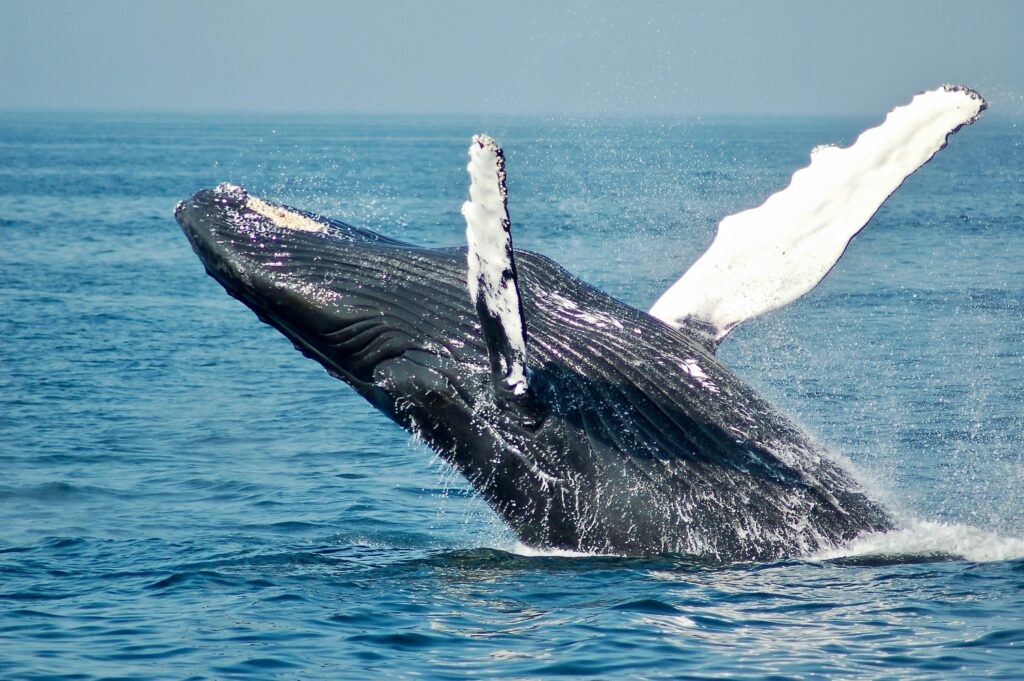
Conservationists are sounding the alarm as whale mortality rates climb sharply along the West Coast, raising fears that 2026 may go down as one of the most tragic years for these majestic marine mammals in recent memory.
According to data from the Center for Biological Diversity, approximately 60 whales have already perished this year across the region.
While many incidents have occurred in waters off Washington state and around the San Francisco Bay area, fatalities have also been documented in Southern California, underscoring the widespread nature of the crisis.
One poignant example came earlier in the year when a massive 30-foot humpback whale, estimated to weigh around 10 tons, washed ashore near 11th Street in Newport Beach. Such strandings serve as grim reminders of the challenges facing whale populations as they navigate increasingly hazardous coastal environments.
Gray whales have borne the brunt of these losses, experts note. A combination of factors appears to be driving the surge in deaths, including collisions with vessels and entanglements in commercial fishing equipment.
In the previous year alone, ship strikes claimed the lives of 24 whales, while another 33 became trapped in fishing gear—figures that likely underrepresent the true toll, as not every incident is discovered or reported.
Compounding these human-related threats is a troubling environmental shift. Several of the deceased whales exhibited signs of malnutrition, linked to changing conditions in their Arctic feeding grounds.
Rising temperatures have disrupted the delicate balance of the ecosystem, leading to reduced availability of prey. As a result, the animals are forced into longer, more perilous migrations in search of food, bringing them into closer contact with busy shipping lanes and fishing operations.
Miyoko Sakashita, Oceans Program Director at the Center for Biological Diversity, described the situation vividly: “There’s much less prey for them, so they’ve undertaken this huge, long migration, and now they’re on their way back up to Alaska, but they’re looking for food, and they’re pretty desperate, so they’re ending up in these areas where there’s lots of ships, and there’s lots of fishing gear they have to traverse. It’s almost a deadly maze that they have to make it through.”
In response to the escalating crisis, the Center for Biological Diversity is calling on the U.S. Coast Guard to enforce a mandatory 10-knot speed limit in zones known for high whale activity. This measure aims to give the animals a better chance of avoiding fatal encounters with large vessels.
Additionally, advocates are pushing for broader adoption of “pop-up gear” in fishing operations—innovative equipment that eliminates persistent dangling ropes, thereby reducing the risk of entanglements.
Should the current pace of losses persist, 2026 risks ranking among the worst years on record for West Coast whales. It would trail only 2019, when a staggering 122 whale deaths were documented, highlighting the urgent need for coordinated action to protect these vital creatures and the oceans they inhabit.