
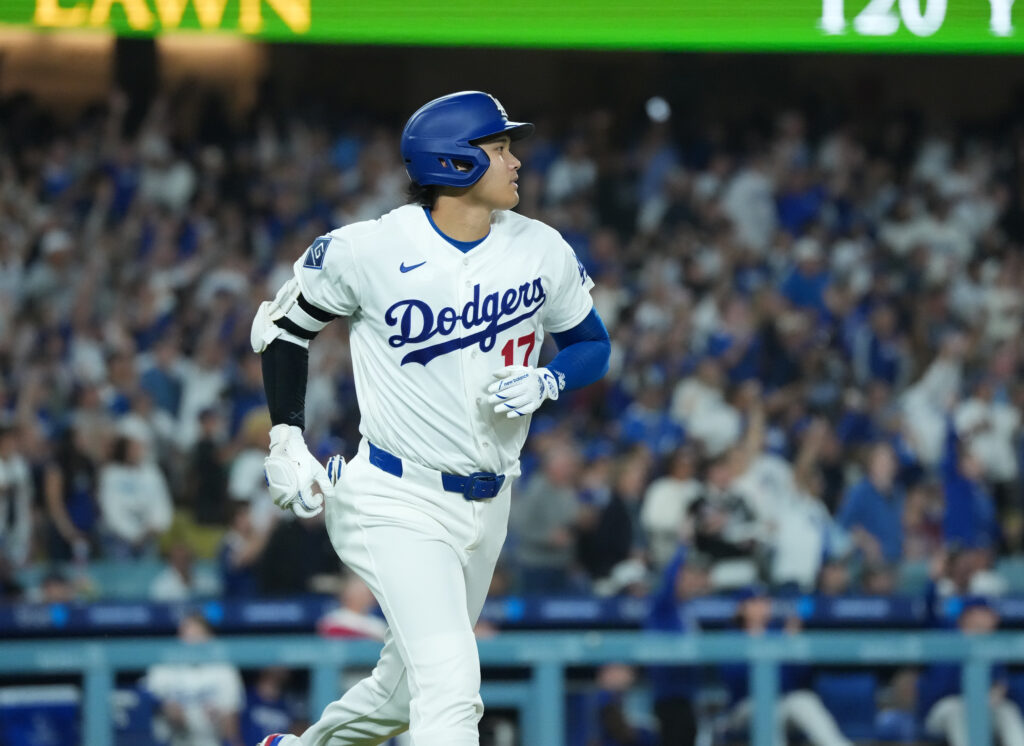
The Los Angeles Dodgers enter the current season carrying the weight of back-to-back World Series titles, a rare achievement that has solidified their place among baseball’s elite. At the heart of this sustained excellence stands Shohei Ohtani, whose extraordinary two-way abilities have proven instrumental in driving the team’s championship runs.
Ohtani’s presence has consistently elevated the Dodgers’ lineup and rotation, blending elite hitting with formidable pitching in a way few players in the sport’s history have matched.
Since joining the organization, Ohtani has delivered reliable production while maintaining relatively good health, allowing him to contribute at an All-Star level on both sides of the ball. That streak of durability faced a setback recently when he experienced discomfort in his left knee during a game. The issue prompted his removal from the contest, raising immediate questions about the severity given his established medical background in that area.
“Shohei Ohtani exited today’s game with what the team described as left knee inflammation, and though Dodgers manager Dave Roberts told reporters in Pittsburgh he expects him back in the lineup as early as tomorrow, it’s worth noting his history with that left knee,” ESPN’s Alden Gonzales posted.
This latest flare-up echoes a more serious episode from earlier in Ohtani’s career, when the same knee required surgical intervention. The procedure forced him to miss a substantial stretch of playing time as he focused on rehabilitation. The underlying condition itself remains uncommon, appearing in roughly two percent of people, which has complicated both diagnosis and long-term care strategies for medical professionals working with the superstar.
“Shohei Ohtani has a knee condition that is present in about 2 percent of the population and recently began to hinder him off the mound. He’ll have it surgically repaired tomorrow, then resume the final stages of his 2019 throwing program in 10 weeks,” Gonzales wrote.
Following successful recovery and the operation, Ohtani transitioned smoothly to the Dodgers roster. He sat out just a handful of contests before returning to full participation, showcasing the resilience that has defined much of his professional journey. Fans and analysts alike celebrated his quick reintegration, viewing it as another testament to his commitment and the team’s support system.
Yet optimism surrounding the knee has tempered in the days since. What initially appeared to be a minor, short-term concern has lingered, prompting a more cautious approach from the coaching staff. Manager Dave Roberts, who had expressed hope for a rapid return, has since adjusted his outlook based on ongoing evaluations.
“Shohei Ohtani’s left knee inflammation is not behind him, but will be managed moving forward per Dave Roberts,” Dodger Talk’s David Vassegh wrote.
This shift in tone introduces a layer of uncertainty for the Dodgers as they navigate a demanding schedule. With Ohtani’s past challenges in mind, the organization is expected to prioritize careful monitoring over any rush to return him to everyday duties. Recurring symptoms in a high-impact joint like the knee can escalate quickly, especially for an athlete who demands peak performance from his body in multiple roles.
The transition from active participation to a managed recovery plan is rarely straightforward for star players. In Ohtani’s case, the situation feels less like a simple precaution and more like the beginning of a potentially extended period of limitation if improvement stalls. Los Angeles will need to balance his long-term health against the team’s immediate competitive goals, a delicate task given how central he remains to their success.
Overall, this development serves as a reminder of the physical toll even the most gifted athletes endure. While Ohtani’s talent remains undeniable, the Dodgers must now focus on proactive strategies to ensure the issue does not derail another promising campaign.
Close observation in the coming weeks will likely determine whether this remains a manageable inconvenience or evolves into a more significant hurdle.