
The National Weather Service has placed residents across multiple regions on notice for the possibility of powerful gusts that could cause significant disruption this weekend. Officials highlighted the risk on Sunday, June 28, pointing to a combination of atmospheric conditions that may produce hazardous straight-line winds in scattered locations.
Although the overall probability remains relatively modest in the 5 to 15 percent range for any single area, forecasters stress that even brief episodes of intense blowing can lead to widespread issues when they materialize.
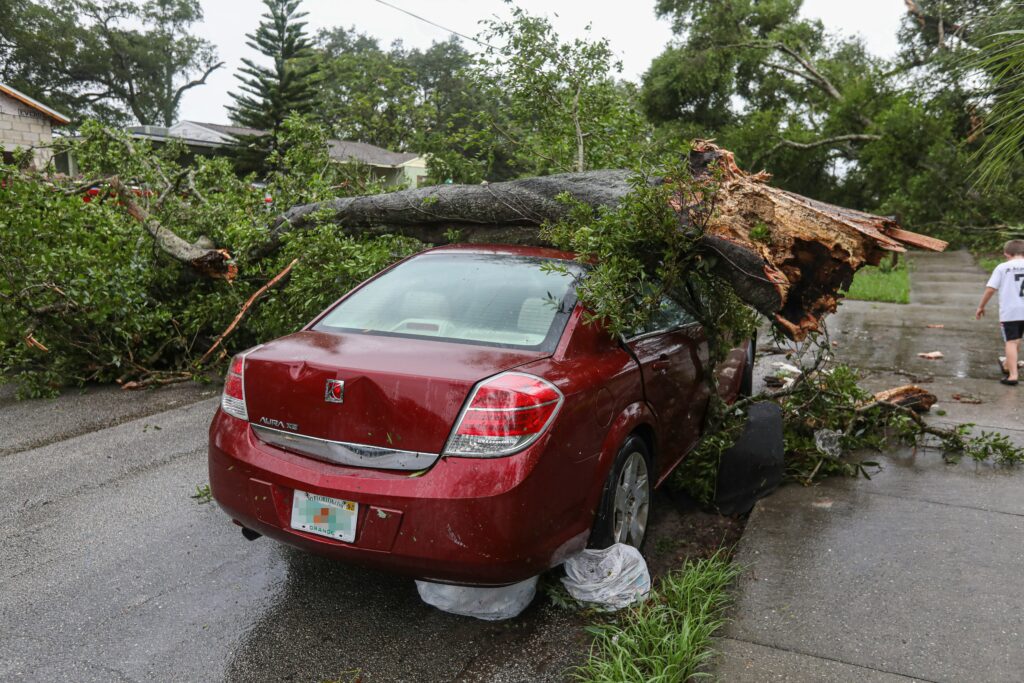
Meteorologists are tracking systems capable of generating sustained speeds between 40 and 60 miles per hour. Such velocities often prove destructive, snapping tree limbs, hurling loose objects through the air, and creating dangerous driving environments.
Vehicles on exposed highways face heightened chances of being pushed off course, while residential properties and agricultural fields may suffer from flying debris or structural strain. Experts urge communities to treat the advisory seriously despite the low percentage odds, as localized impacts can still prove costly.
Ten states fall under the current heightened awareness level. The affected areas stretch from the northern plains through the Midwest and into portions of the South and East Coast. Residents in these locations should monitor updates closely throughout the day, as conditions can evolve rapidly with developing storm cells.
The complete roster of states receiving the alert includes North Dakota, South Dakota, Minnesota, Iowa, Wisconsin, Illinois, Texas, South Carolina, North Carolina, and Virginia. Each of these regions possesses unique vulnerabilities, whether due to open farmlands prone to wind erosion or more densely populated corridors where downed power lines could affect thousands.
Coordination between local emergency managers and the National Weather Service continues as teams refine forecasts for individual counties.
In many of the northern states on the list, such as North Dakota and Minnesota, cooler air masses interacting with warmer fronts have set the stage for gusty outflows. Farther south, places like Texas and the Carolinas may encounter similar threats from afternoon thunderstorms that collapse and send strong winds racing outward. Illinois and Wisconsin sit in a transitional zone where multiple hazards could overlap, requiring extra vigilance from officials.
Preparation remains the most effective defense against these unpredictable bursts. Authorities recommend reviewing personal emergency plans well in advance rather than waiting for the first strong gusts. By taking proactive steps, households and businesses can reduce potential injuries and limit property losses when the atmosphere becomes unstable.
As a reminder, here’s what to do when strong winds hit.
Plan to get inside a sturdy building before high winds hit. Identify a sturdy building at home, at work, at school, and near any locations that you frequent so you will be able to take shelter quickly, within minutes, if there is a warning. You need to get inside a sturdy building before a high wind event hits. A sturdy building is a structure with walls and a foundation.
Once you have identified a sturdy building, plan to shelter in the basement or a small, interior, windowless room on the lowest level to provide additional protection from high winds. There are shelters designed to withstand high wind events such as a FEMA Safe Room or ICC 500 Storm Shelter — find out if they are available nearby. Practice drills with everyone in your household, so everyone knows where to go and what to do.
Beyond immediate sheltering, individuals should also secure outdoor items that could become projectiles. Lawn furniture, grills, and trash cans often turn into hazards during high-wind episodes, so bringing them indoors or anchoring them firmly can prevent avoidable damage. Drivers encountering sudden gusts are advised to reduce speed, maintain extra distance from other vehicles, and avoid high-profile routes if possible.
Power outages frequently accompany strong wind events, especially where utility lines run through wooded areas. Charging mobile devices ahead of time and keeping flashlights with fresh batteries on hand can ease the inconvenience if the lights go out. Families might also consider assembling a small kit containing non-perishable food, water, and basic first-aid supplies to sustain them until services resume.
Communities in the alerted states continue to receive regular briefings as the weather pattern shifts. While not every location will experience damaging conditions, the broad scope of the advisory serves as an important prompt for readiness. Staying informed through official channels and heeding any subsequent warnings can make the difference between a minor inconvenience and a more serious incident.
As the day progresses, conditions may improve in some spots while intensifying elsewhere. Residents are encouraged to check local forecasts frequently and remain flexible with outdoor plans.
With proper awareness and timely action, the risks associated with these potentially damaging winds can be managed effectively across all affected regions.