
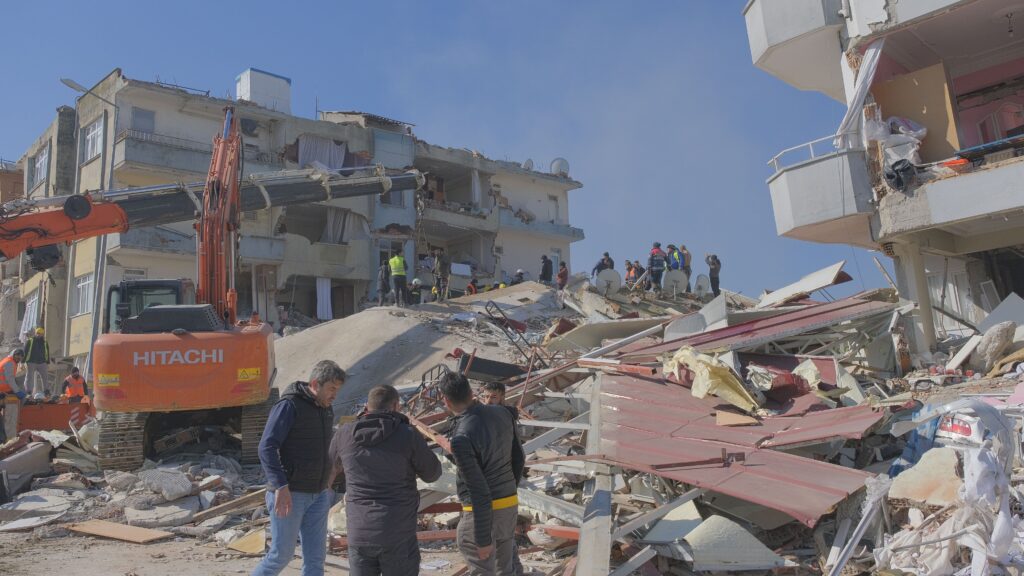
A minor earthquake recently rattled Northern California, reminding residents of the state’s persistent geological restlessness. The United States Geological Survey reported that a preliminary 2.7 magnitude tremor occurred on Wednesday morning, July 15, 2026.
Centered approximately six miles east-southeast of Cloverdale in Sonoma County, the quake struck at a depth of roughly four miles below the Earth’s surface.
No injuries or infrastructure damages were reported from the minor shake. It occurred in a geologically active pocket of Sonoma County, located near the seismically active geysers region, which had experienced an identical 2.7 magnitude tremor just five days prior.
While events of this size are common and typically bypass the Richter scale’s threshold for physical damage, they still prompt residents to submit reports through citizen science networks like the United States Geological Survey “Did You Feel It?” platform.
This minor event is part of a much larger, increasingly tense geological narrative unfolding across the Golden State. Concern is mounting among both seismologists and the public as data suggests key fault lines are entering highly critical states.
According to recent academic and federal research, major segments of the San Andreas and San Jacinto faults have accumulated more tectonic stress than at any point in the last millennium.
Because it has been nearly 170 years since the last massive rupture on the southern section of the San Andreas fault, scientists warn that these systems are heavily primed for a major release of energy.
The economic and human stakes of this building pressure are immense. Modern estimates from the California Geological Survey indicate that the state accounts for over 65 percent of the entire nation’s annualized earthquake losses, amounting to roughly 9.6 billion dollars in potential damages each year.
The heavily populated Los Angeles and San Francisco metropolitan regions sit directly atop these high-hazard zones.
Furthermore, updated forecast models have revised the probability of a massive, multi-fault rupture. The likelihood of California experiencing a catastrophic magnitude 8.0 or larger earthquake within the next few decades has risen to about 7 percent.
This increase is driven by the understanding that modern earthquakes are not always confined to a single, isolated fault but can cascade across multiple faults simultaneously.
As minor tremors continue to shake towns like Cloverdale, they serve as gentle but persistent warnings of the immense tectonic forces tightening beneath the surface.