
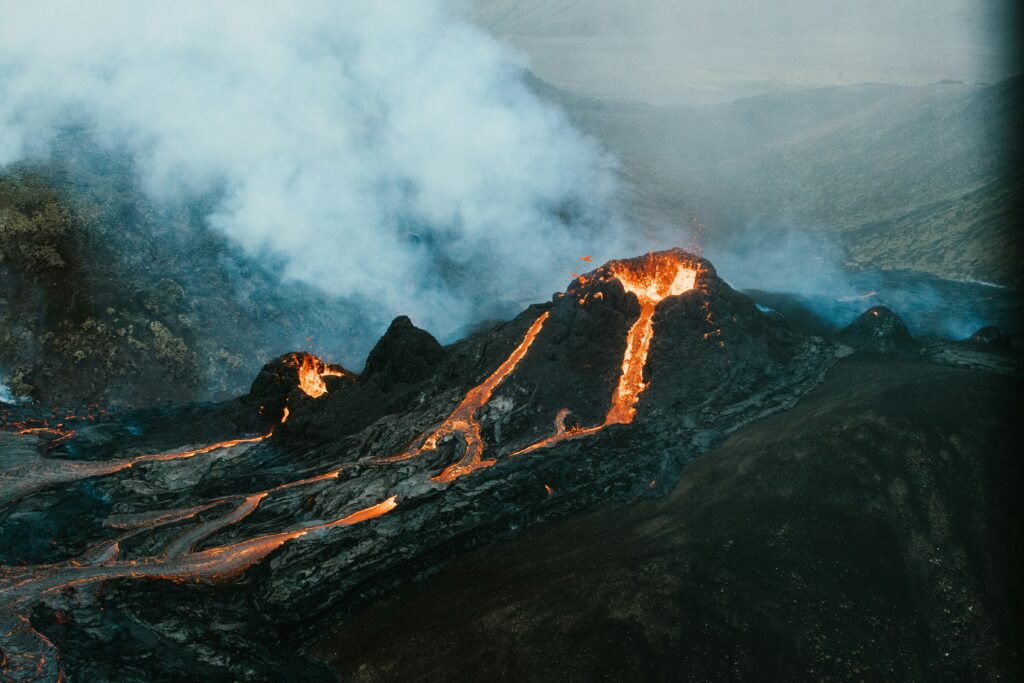
Authorities monitoring Mayon Volcano in Albay province have raised concerns about a possible transition from its current effusive eruption to a more violent, explosive phase.
The warning comes from the Philippine Institute of Volcanology and Seismology (Phivolcs) following an unprecedented spike in sulfur dioxide emissions detected from the mountain.
On July 11, specialists recorded an average daily release of 13,128 metric tons of volcanic sulfur dioxide, marking the highest level observed at Mayon in more than two and a half decades.
This figure sits just below the intense emissions seen during the volcano’s notable explosive eruption back in 2000, signaling that pressure may be building in ways that could alter the ongoing activity.
Mayon has been under Alert Level 3 for an extended period and has maintained continuous eruptive behavior for 187 days. While the volcano has primarily exhibited relatively steady lava flows and degassing, the recent surge in gas output coincides with other indicators of heightened unrest.
These include dozens of low-frequency volcanic earthquakes linked to gas movement and minor explosive bursts at the summit crater, alongside hundreds of rockfall incidents triggered by the crumbling edges of fresh lava deposits.
Despite these developments, measurements show only minor swelling of the volcanic structure and a relatively modest increase in overall seismic energy.
Such patterns have so far aligned with the effusive style of eruption that has defined Mayon’s activity throughout 2026. Nevertheless, Phivolcs scientists caution that the exceptionally high sulfur dioxide levels could point to a significant change in the volcano’s behavior.
An explosive eruption would carry substantially greater risks. It could produce expanded pyroclastic density currents capable of traveling farther down the slopes in multiple directions, launch large rock fragments from the crater, and spread ash over much wider areas than currently observed.
Prevailing weather conditions in the region may further intensify these hazards by influencing the direction and reach of ash plumes.
Residents and local officials in surrounding communities continue to receive updates as monitoring efforts intensify. Phivolcs maintains close surveillance of Mayon and urges the public to stay informed through official channels, particularly as the volcano’s activity evolves.
The current alert level remains in place, but authorities emphasize the importance of preparedness given the potential for escalation.