
In the vast expanse of the South Pacific, where turquoise waters meet remote volcanic islands, Ambae Island in Vanuatu is experiencing renewed volcanic unrest. Yet, outside of specialized monitoring reports and a handful of dedicated YouTube channels, this story has largely flown under the global radar.
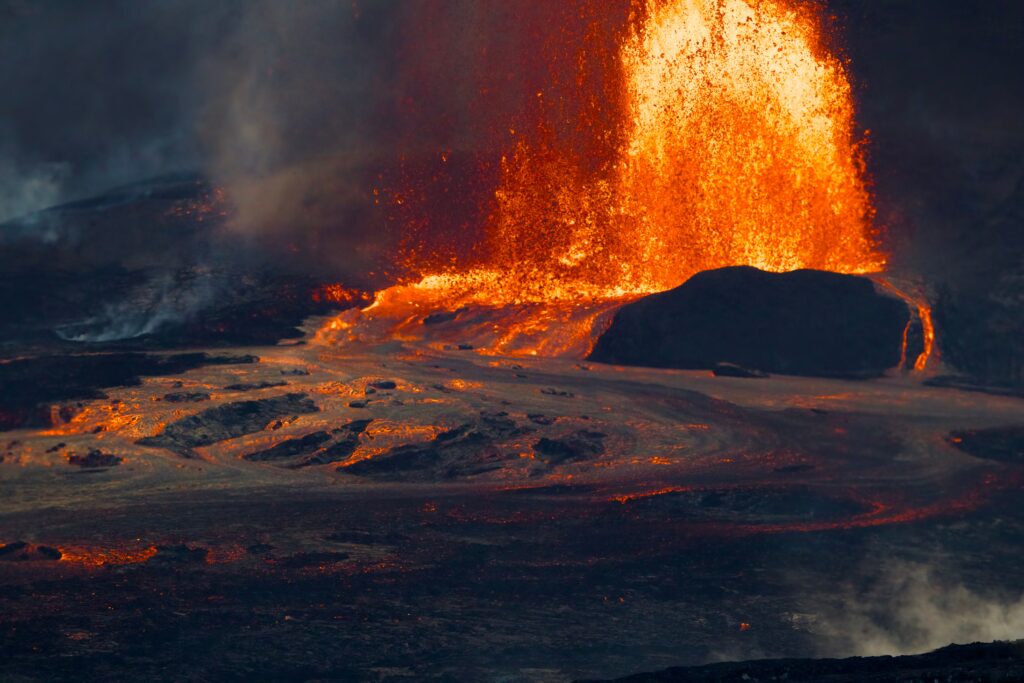
A recent video from the channel Extreme Pursuit highlights footage of the eruption at Manaro Voui (also known as Aoba or Lombenben) in Vanuatu, capturing dramatic activity that few outside the region have witnessed.
Ambae, a massive basaltic shield volcano forming an elongated island about 16 by 38 kilometers, hosts a prominent summit caldera with crater lakes, including the active Lake Voui.
The current phase of activity escalated in February 2026, prompting Vanuatu’s Meteorology and Geohazards Department (VMGD) to raise the alert level to 3, signifying a minor eruption. Activity remains centered in the summit area within Lake Voui, involving intermittent ash emissions, gas plumes, sulfur dioxide releases, and occasional glow visible at night.
While not reaching the catastrophic scales of the 2017-2018 crises—when heavy ashfall, acid rain, and contaminated water supplies forced the full evacuation of the island’s roughly 10,000-11,000 residents—this ongoing minor eruption still carries real consequences.
Communities, particularly in the south and southeast, have reported ashfall affecting food gardens, water sources, and daily life. Acid rain has extended impacts to neighboring islands, and residents continue to navigate restrictions around a 3-kilometer danger zone near the active vents. Seismic activity remains elevated with continuous tremor, and low-level thermal anomalies persist in satellite data.
The video in question brings rare, up-close visuals of the eruption, showing plumes rising from the lake amid the island’s lush yet rugged terrain. It underscores a striking contrast: dramatic footage of bubbling lava or steam vents in a remote setting, paired with surprisingly limited international media coverage.
Major outlets have been relatively quiet compared to high-profile events elsewhere, possibly due to the contained nature of the activity—no large explosive blasts, dramatic evacuations, or immediate mass casualties grabbing headlines. Vanuatu’s position as a small island nation in the Pacific also means stories like this often compete for attention against global crises.
This relative silence matters. Volcanic activity in Vanuatu is frequent, given the country’s location along the Pacific Ring of Fire, but underreporting can erode preparedness and awareness. Locals on Ambae have learned to coexist with their volcano since previous events, maintaining normal life where possible while heeding advisories to avoid the summit area and drainages prone to lahars during rains.
Scientists continue monitoring via webcams, satellites, and seismic data, with reports indicating the eruption has continued intermittently through spring and into summer 2026, producing steam, gas, and occasional ash plumes reaching several kilometers high.
Geologically, Ambae’s history includes periods of stronger explosivity, flank eruptions, and significant environmental disruption. The current minor phase serves as a reminder of the volcano’s potential and the resilience required of its inhabitants. In an era of instant global news, the lack of widespread discussion around Ambae highlights how “out of sight, out of mind” dynamics affect coverage of remote natural events—especially when they don’t escalate into immediate disasters.
As activity persists, staying informed through official sources like VMGD remains crucial for those in the region. For the rest of the world, videos like the one shared offer a window into this hidden drama, inviting curiosity about the powerful forces shaping our planet’s most dynamic landscapes. Ambae’s eruption may be minor for now, but it quietly underscores the need for sustained attention to volcanic regions that, while far away, are integral to the Pacific’s living geology.