
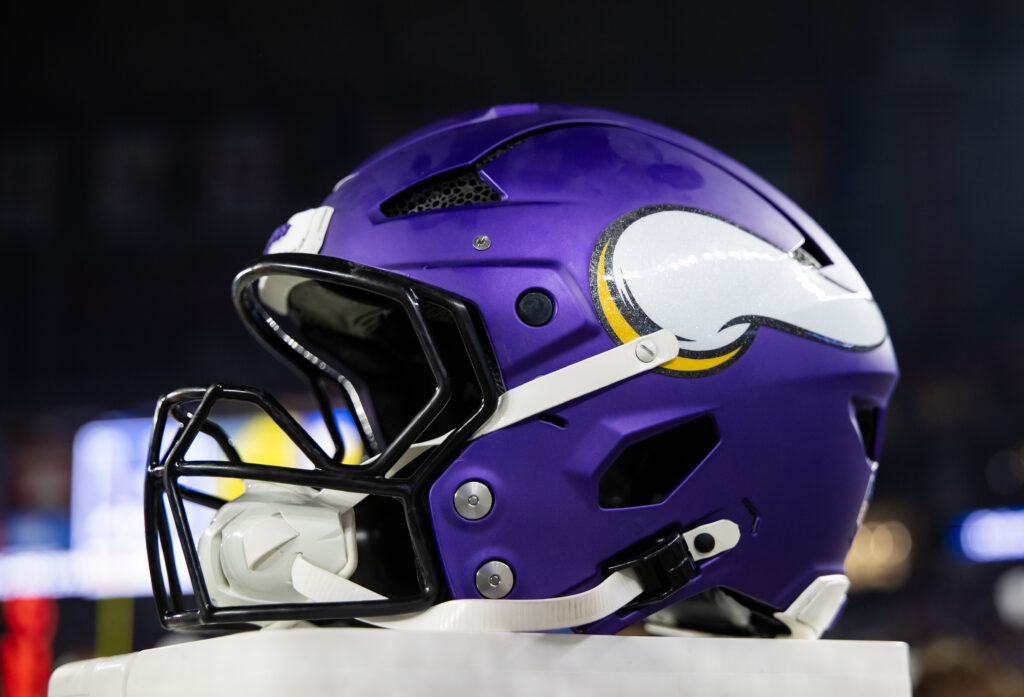
The Minnesota Vikings enter the 2026 NFL Draft holding a strong position with the 18th overall pick in the opening round. This selection represents just the beginning of their haul, as the team controls a total of nine picks across the entire event. With multiple early selections at their disposal, Minnesota appears poised to address key roster needs through the draft process.
A significant aspect of the Vikings’ draft capital is their four selections within the first 100 picks. This depth gives the franchise notable flexibility to shape their roster. Analysts widely expect the team to prioritize defensive reinforcements, seeking young, high-upside talent to bolster that side of the ball in the coming seasons.
Several intriguing defensive prospects could realistically be on the board when Minnesota’s turn arrives at No. 18. Players such as Avieon Terrell, Kayden McDonald, and C.J. Allen have emerged as names that could align well with the Vikings’ defensive scheme and long-term needs.
Recent reporting from Bleacher Report has introduced an additional layer of strategy for Minnesota to consider. Insights from Albert Breer of Monday Morning Quarterback highlight shifting dynamics among several teams leading up to the draft.
“Breer reported Monday that the Arizona Cardinals, Tennessee Titans, New York Giants, Cleveland Browns and Washington Commanders are all exploring deals to move down. ‘The problem for those five is finding teams to move up,’ he wrote.”
This development opens a potential window for the Vikings to improve their position if they identify a player they view as a difference-maker. Prospects including Mansoor Delane, Jermod McCoy, or Caleb Downs could provide enough incentive for Minnesota to consider moving up several spots through a trade.
Bleacher Report also offered context on the broader reluctance among teams to trade upward this year. The analysis points to a lack of premium incentives typically driving aggressive moves.
“For the most part, teams simply aren’t all that incentivized to trade up this year. General managers often leapfrog the competition in order to get a quarterback they like. The dearth of good QBs in the 2026 class removes that as a consideration.”
“Alabama’s Ty Simpson is the second-best passer on the Bleacher Report big board but ranks 28th overall. LSU’s Garrett Nussmeier is QB3 and is all the way down at 65th.”
“Then you have prospects such as Ohio State safety Caleb Downs, OSU linebacker Sonny Styles and Notre Dame running back Jeremiyah Love who are very good but don’t play premium positions. Does it make sense to give up valuable draft capital for a running back, even one as dynamic as Love?“
This evaluation underscores a unique draft landscape. Without elite quarterback prospects generating urgency, many franchises prefer to preserve their assets rather than surrender future picks for non-quarterback talent. The situation contrasts sharply with recent years dominated by quarterback-needy teams willing to pay a steep price to climb the board.
The limited appeal of trading up is further complicated by teams’ protectiveness over their 2027 first-round selections. This caution creates a more stagnant trading environment than usual, reducing the likelihood of blockbuster deals despite some interest in sliding down.
For the Vikings, the current setup presents clear advantages. They maintain the option to stay at 18 and select from a solid group of defensive players, or they could leverage interested trade-down partners to target a higher-priority prospect. The decision will ultimately depend on how their draft board falls and the value they place on specific players.
As the draft approaches, Minnesota’s front office faces an intriguing set of possibilities. With substantial capital and a defensive focus guiding their approach, the Vikings are well-equipped to make meaningful additions regardless of whether they choose to move up or stand pat.
The coming weeks will reveal how they navigate this fluid situation to strengthen their roster for future contention.