
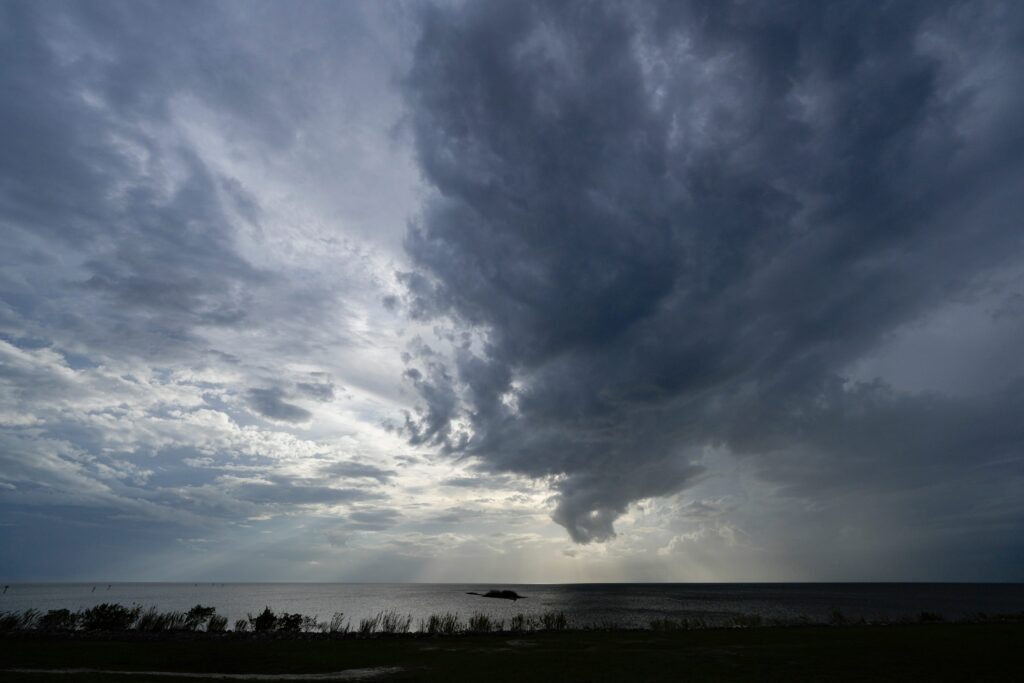
The National Weather Service has issued alerts for potentially severe weather conditions across a broad stretch of the eastern and southern United States. On Monday, June 22, officials are cautioning residents in multiple states to prepare for the possibility of powerful gusts that could lead to significant disruptions and hazards.
These warnings highlight the need for heightened awareness as atmospheric conditions align to produce strong winds, potentially accompanied by other stormy elements.
Forecasters indicate that more than a dozen states face at least a 15 percent probability of experiencing particularly intense wind events during the day. Such conditions often stem from developing storm systems capable of generating not only high winds but also substantial rainfall, frequent lightning, and in some cases, isolated tornado activity. The combination raises concerns for both property damage and public safety throughout the affected regions.
A total of 16 states have received specific notifications regarding the risk of damaging winds. These include Arkansas, Louisiana, Mississippi, Alabama, Georgia, South Carolina, North Carolina, Tennessee, Kentucky, Virginia, West Virginia, Maryland, Delaware, Pennsylvania, and New Jersey.
Residents in these areas are encouraged to monitor local updates closely, as the exact timing and intensity of the storms may evolve rapidly.
The alerts come as meteorologists track a dynamic weather pattern that could bring widespread impacts. High winds have the potential to topple trees, scatter loose objects, and interfere with power infrastructure, leading to outages that might affect thousands of households. In addition to wind-related threats, the storms could produce heavy downpours that exacerbate flooding risks in low-lying or already saturated zones.
Communities along the East Coast and through the South are particularly vulnerable during this period. Urban centers with tall buildings and rural areas with dense tree cover each face unique challenges from gusty conditions. Transportation networks, including highways and rail lines, may experience delays or hazards due to reduced visibility and flying debris.
As authorities emphasize preparedness, experts stress the importance of taking proactive steps to minimize risks. Staying informed through reliable weather channels and heeding official advisories remains a critical first line of defense against these unpredictable forces of nature.
When high winds strike, the safest place to be is indoors. Postpone outdoor activities if a wind advisory or high wind warning has been issued.
If you are caught outside during high winds: Take cover next to a building or under a shelter. Stand clear of roadways or train tracks, as a gust may blow you into the path of an oncoming vehicle. Use handrails where available on outdoor walkways and avoid other elevated areas such as roofs without adequate railing. Watch for flying debris.
Tree limbs may break and street signs may become loose during strong wind gusts. Keep an eye toward nearby balconies for loose objects that may fall.
Emergency management officials recommend reviewing personal emergency plans and ensuring that families discuss meeting points and communication strategies in advance. Securing outdoor furniture, vehicles, and other belongings can prevent them from becoming projectiles in powerful gusts. Those with medical needs or mobility limitations should make arrangements for assistance well before conditions deteriorate.
The current weather situation serves as a timely reminder of the broader patterns of severe storms that visit the United States each year. While not every alert results in major incidents, treating these warnings with respect can significantly reduce the likelihood of injury or loss. Local governments in the warned states are coordinating with utility companies to position crews for rapid response if outages occur.
Looking ahead, residents should continue to stay alert even after the initial storm front passes, as lingering winds or secondary lines of thunderstorms could linger into the evening hours. Checking in with neighbors, especially the elderly or those living alone, fosters community resilience during such events.
By following these guidelines and remaining vigilant, individuals can help protect themselves and contribute to safer outcomes across the region.