
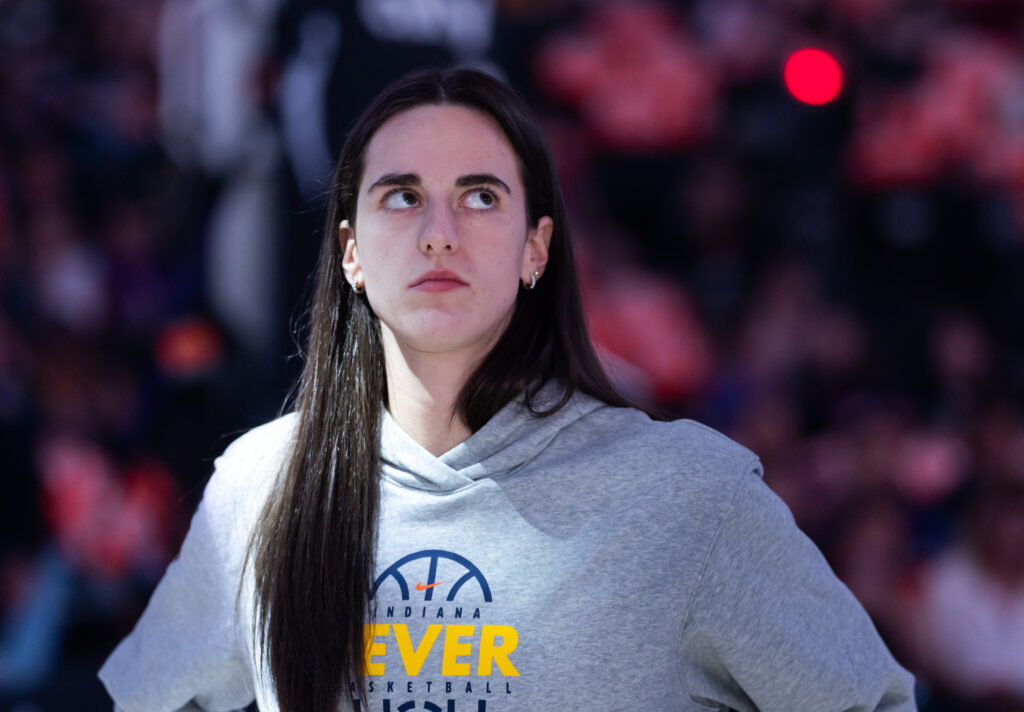
Caitlin Clark made her return to the Indiana Fever lineup after missing two contests because of a back injury. Upon coming back, the team placed her under a strict minutes limit to protect her recovery.
This careful approach showed in her limited playing time during the matchup with the Los Angeles Sparks on July 8, where she logged just 16 minutes in short segments. She then sat out the following game in the back-to-back set against the Phoenix Mercury to avoid any setbacks.
The guard has since appeared in three consecutive games, including the recent Friday night encounter with the Seattle Storm. Her participation in these outings marks steady progress, yet uncertainty lingers regarding her status for the Saturday clash against the New York Liberty. Back-to-back games present extra challenges, and the Fever organization remains deliberate in handling her playing time to prevent re-injury.
Despite the lingering questions, signs point toward improvement in Clark’s condition. The team’s cautious strategy reflects a broader commitment to her long-term health rather than rushing her back into full action. This measured pace allows for gradual buildup while monitoring how her body responds under game pressure.
During pregame discussions, Head Coach Stephanie White provided an update on Clark’s availability. She indicated optimism about the upcoming contest, though she stopped short of absolute certainty.
“I mean, as of right now, the plan is for her to be available tomorrow,” White said when asked if Clark will play on Saturday.
White emphasized the natural challenges athletes face when returning from injury and time away from competition. Clark had gone nearly two weeks without meaningful game action due to the team’s schedule, making the re-integration process more complex. Building physical endurance represents only one part of the equation in such recoveries.
The coaching staff also pays close attention to Clark’s psychological readiness. Returning after an injury often involves rebuilding trust in one’s body, which can prove demanding. White noted that addressing these internal barriers ranks equally important to the physical side of healing.
“Just as hard as it is physically,” she explained in reference to overcoming the mental hurdles of an injury.
Assessing progress requires input from multiple angles, according to the coach. The team evaluates observable factors like movement quality and performance metrics while prioritizing the player’s own sensations. This joint effort helps ensure decisions support both immediate needs and future sustainability.
“Subjectively, it’s how she feels,” White said when asked about Clark’s progress in her injury recovery. “From our standpoint, it’s how she looks, her endurance, her efficiency, how well she’s moving. It’s collaborative. It’s making sure we get her feedback, making sure that she’s comfortable and confident, getting feedback from the medical staff.”
Even if Clark does take the court against the Liberty, the schedule offers a helpful cushion afterward. The Fever stand to gain valuable recovery time with a three-day break before facing the Connecticut Sun on Wednesday. This window could prove vital for maintaining momentum in Clark’s rehabilitation.
Throughout this period, the organization demonstrates patience in managing one of its star talents. Clark’s explosive style and court vision make her central to the team’s offensive schemes, but protecting her health takes precedence to maximize her contributions over the full season.
Supporters and analysts alike follow these developments closely, recognizing how Clark’s availability influences Indiana’s overall performance. Her presence elevates the squad’s potential, yet forcing participation too soon could risk prolonging the recovery timeline.
The Fever’s approach highlights modern sports medicine principles that balance competitive demands with player welfare. By incorporating both objective data and subjective feedback, the staff aims to position Clark for success without unnecessary risks.
Looking ahead, continued communication between Clark, coaches, and medical personnel will guide future decisions. This collaborative model fosters confidence and helps navigate the ups and downs typical in injury returns.
As the team prepares for the Liberty game and beyond, the focus remains on sustainable progress. With rest periods built into the schedule, Clark and the Fever appear well-placed to handle the challenges of a demanding WNBA campaign.