
Leon Fuller, a towering figure in American football whose professional journey stretched across nearly four decades, passed away on Thursday at his residence in Austin, Texas. He was 87 years old at the time of his death.
Fuller’s contributions to the sport encompassed roles as a standout collegiate player, innovative defensive coordinator, college head coach, and brief but notable NFL assistant, leaving an indelible mark on multiple generations of athletes and programs.
Born on July 28, 1938, in Nederland, Texas, Fuller developed his passion for the game from an early age in the Lone Star State. His playing days began at Tyler Junior College, where he honed his skills before moving on to the University of Alabama. There, he competed under the legendary Paul “Bear” Bryant, earning All-SEC recognition and embodying the tough, physical style that defined the Crimson Tide’s approach during that era.
Those formative years under Bryant instilled in Fuller a coaching philosophy centered on discipline, fundamentals, and relentless preparation. The experiences as a player shaped how he would later mold defenses, emphasizing toughness and attention to detail that became hallmarks of his teams. This foundation proved instrumental as he transitioned from the field to the sidelines.
Fuller’s coaching career took him through several programs where he built a reputation for crafting stout defensive units. Stops at Kentucky, West Texas State, and Wyoming allowed him to refine his methods, focusing particularly on the development of defensive backs. His ability to instill sound techniques and mental resilience in players quickly gained attention across college football circles.
One of the most significant chapters in Fuller’s professional life came during his two tenures as defensive coordinator at the University of Texas. From 1977 to 1981 under head coach Fred Akers, and again from 1989 to 1993 serving under David McWilliams and John Mackovic, his units played pivotal roles in elevating the Longhorns’ competitiveness.
Fuller’s strategies helped the program vie for conference titles and established him as one of the finest defensive minds in the Southwest Conference and beyond.
His defenses at Texas were characterized by aggressive schemes, disciplined execution, and a knack for producing standout performers in the secondary. This success as an assistant coach ultimately overshadowed his head coaching record in the eyes of many observers, cementing his legacy as a coordinator who could maximize talent and scheme effectively against tough opponents.
From 1982 to 1988, Fuller took on the challenge of leading Colorado State University as its head coach. During a demanding rebuilding phase for the Rams, he compiled a 25-55 overall record. Despite the uphill battle marked by resource limitations and variable outcomes, his commitment to program development never wavered, fostering resilience within the team.
Notable highlights from his time in Fort Collins included the 1986 squad’s memorable upset victory over Air Force, a result that stands among the program’s most cherished moments. Additionally, quarterback Kelly Stouffer emerged as a premier passer under Fuller’s guidance, eventually earning first-round selection in the NFL draft. These achievements provided bright spots amid the broader rebuilding efforts.
Fuller’s approach at Colorado State reflected his broader coaching ethos: prioritizing player growth and long-term stability even when immediate wins proved elusive. He inherited a program grappling with substantial obstacles yet remained dedicated to laying a foundation for future success.
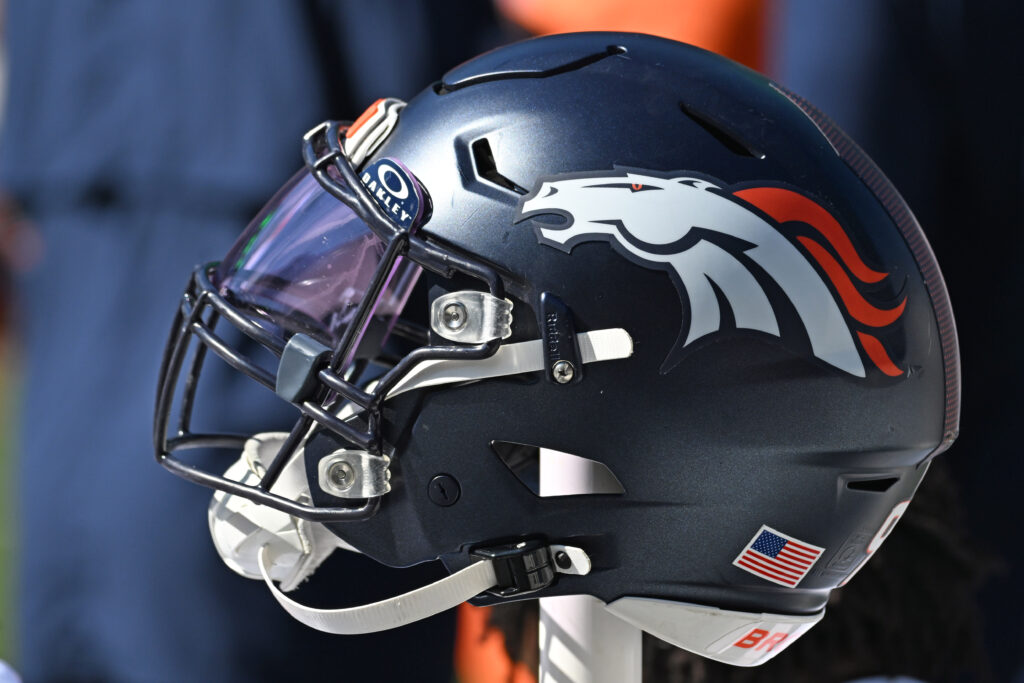
In 1994, Fuller achieved a longtime goal by reaching the NFL ranks as the defensive backs coach for the Denver Broncos under Wade Phillips. Though his tenure lasted only one season, it represented the pinnacle of a career built predominantly in the collegiate arena. Working with veterans like safety Dennis Smith and a promising young Tyrone Braxton, he implemented principles refined through years in the Southwest Conference and Western Athletic Conference.
After departing the Broncos, Fuller returned briefly to the high school level, serving as head coach and athletic director at Llano High School in Texas. This return to grassroots football allowed him to impact younger athletes directly before he chose to step away from full-time coaching duties. In retirement, he stayed engaged with the sport by mentoring emerging coaches and offering guidance to former players.
Fuller’s enduring influence extended well beyond his official roles. Colleagues and athletes frequently praised his deep knowledge of defensive schemes, his ability to connect with players on a personal level, and his unwavering dedication to the values of hard work and integrity.
His career exemplified a lifelong devotion to football that bridged different levels of competition and left lasting impressions on those who learned from him. Through decades of service, Leon Fuller helped shape defensive philosophies and player development standards that continue to resonate in modern coaching practices.
His story serves as a testament to perseverance, expertise, and quiet leadership in the world of American football.