
In the scenic San Luis Valley of southern Colorado, a towering fence surrounding a sprawling ranch owned by a billionaire has ignited years of conflict and fresh environmental concerns. A new comprehensive study details how the barrier disrupts habitats for dozens of animal species, intensifying calls from local residents to rethink or dismantle the structure.
The 83,000-acre Cielo Vista Ranch, purchased by William Harrison in 2017, features dramatic landscapes including Culebra Peak.
Since 2020, crews have constructed roughly 20 miles of an 8-foot-high wire-grid fence topped and bottomed with barbed wire, carving paths through piñon trees and sagebrush. Construction stopped in 2023 after county officials secured a temporary court injunction, but the project remains entangled in ongoing litigation.
The fence lies at the heart of a deeper historical dispute. The land forms part of the historic Sangre de Cristo Land Grant from 1844, which traditionally allowed heirs and community members rights to gather firewood and graze livestock on the mountain terrain known locally as La Sierra.
Residents argue that the enclosure restricts these longstanding communal uses in what many describe as a vast, largely undeveloped wilderness.
A recently publicized 83-page wildlife assessment, stemming from court-ordered mediation, was produced collaboratively by experts retained by both the ranch and Costilla County. T
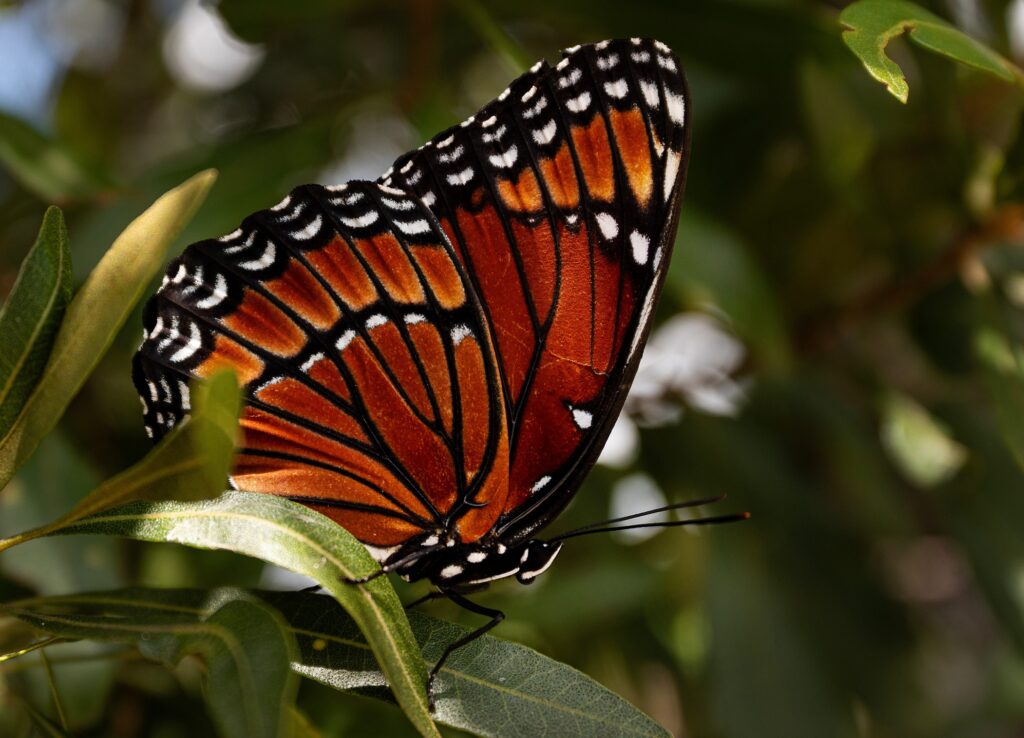
he report, initiated in mid-2025 and made public only recently, paints a concerning picture of the fence’s effects on local biodiversity. It identifies more than 30 species potentially harmed, ranging from large mammals like elk and mule deer to birds of prey such as bald and golden eagles, and sensitive creatures including the federally protected Canada lynx and silverspot butterfly.
Other affected wildlife includes northern leopard frogs, Rio Grande cutthroat trout, various owls, hawks, songbirds, bats, and small mammals like prairie dogs and snowshoe hares. Many of these species rely on habitat close to the fence line, and the barrier intersects key elk migration routes leading to vital streams and feeding grounds, according to state wildlife officials.
Researchers recommend extensive alterations to reduce the harm. Among the suggestions: shortening the fence to about 5 feet—which they deem sufficient to hold the ranch’s bison herd—installing numerous gaps and crossing structures for animals of all sizes, lifting the lower edge higher off the ground, widening the grid openings, eliminating barbed wire, and adding visible markers to help birds and big game avoid collisions. The study also calls for removing sections of fence in particularly sensitive areas near creeks.
Local advocates with the La Sierra Environmental Guardian Committee view the findings as strong validation of their long-held objections. They argue that the recommendations expose the fence as unnecessary for basic ranch operations and criticize Harrison for showing little willingness to adapt, even after the biologists’ input.
Community members emphasize that the structure has already caused lasting damage to both the environment and regional relations.
Harrison’s legal representatives have declined to comment publicly and have signaled no interest in negotiating based on the report’s conclusions, according to county sources. The stalemate persists as the case continues through the courts.
Beyond wildlife, the fence project has drawn scrutiny for potential water quality violations. State environmental regulators previously issued orders citing risks of erosion and sediment runoff into local waterways, including the Rio Grande.
This latest chapter in the San Luis Valley land saga underscores the challenges of balancing private property rights with public access traditions and ecological stewardship in one of Colorado’s most storied regions. As mediation efforts and legal proceedings unfold, the fate of the fence—and the wildlife corridors it bisects—remains uncertain.