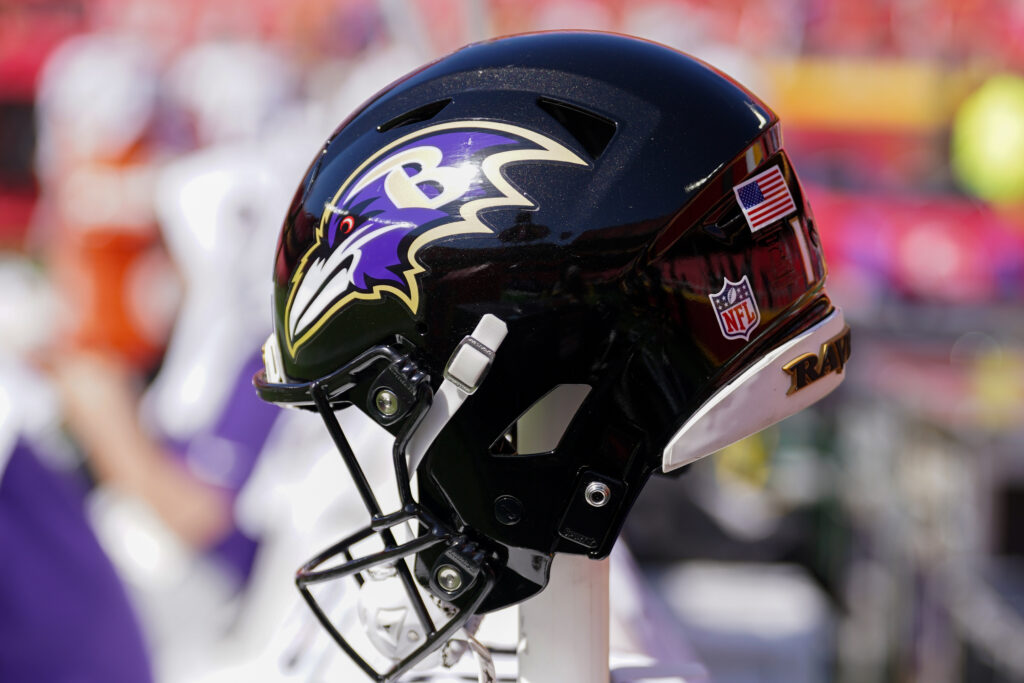
The Baltimore Ravens family lost a dedicated special teams mind this past weekend with the death of Frank Gansz Jr., the longtime coach who spent two seasons helping shape the unit in purple and black. He was 64.
Gansz Jr., son of former Kansas City Chiefs head coach Frank Gansz Sr., carved out his own reputation as a special teams specialist across the NFL and college ranks. For Ravens fans, his arrival in 2006 marked a period of noticeable impact on coverage and return units that still resonates with those who followed the team closely during those years.
He served as the Ravens’ special teams coordinator from 2006 to 2008. Under his guidance, the group produced standout performances, including linebacker Gary Stills leading the entire NFL with 44 special teams tackles in 2006 — the second-highest single-season total in league history. That kind of production reflected Gansz’s attention to detail and his ability to get players to buy into the often-overlooked phase of the game.
Before joining the Ravens, Gansz had already built a solid track record. He worked as special teams coordinator for the Oakland Raiders from 1998 to 2000 and then for the Chiefs from 2001 to 2006. Those stops, along with time affiliated with the NFL Players Association, showed the breadth of his professional experience.
Most recently, Gansz had taken on the role of special teams coordinator for the St. Louis Battlehawks of the United Football League, a position he held since February. The UFL and the Battlehawks organization expressed their sorrow at his passing.
“The UFL and St. Louis Battlehawks mourn the passing of Frank Gansz Jr., a second-generation football lifer who carved out his own path as a respected coach, teacher, and mentor,” UFL commissioner Russ Brandon said in a statement.
“Frank was old school in the best sense of the word. He was a student of the game, passionate about his craft and deeply respected by his peers and players. With a remarkable ability to bridge generations, Gansz delivered message that blended his love of history with his love of football, using lessons from the past to shape how his teams prepared for the present.”
Gansz’s own playing career began at The Citadel, where he was a four-year defensive back. He then followed a familiar path into coaching, starting as a graduate assistant at Kansas before moves to Pittsburgh and Army. In 1992 he joined the New York/New Jersey Knights of the World League, continuing the family tradition in the profession.
From 1993 to 1997 he coached tight ends and special teams at the University of Houston. Later, between NFL jobs, he returned to the college level to handle special teams duties at UCLA and SMU. Those college stops produced lasting results for the players he mentored.
At UCLA, Gansz worked with kicker Kai Forbath, who went on to win the Lou Groza Award and earn consensus first-team All-America honors. During his time with the Chiefs, return specialist Dante Hall earned consecutive Pro Bowl selections in 2002 and 2003 and established himself as one of the most dynamic returners in the league.
Ravens supporters still point to the Stills season as evidence of the same coaching touch that elevated performers elsewhere.
For those who watched the Ravens during Gansz’s tenure, his presence represented the quiet work that often decides close games. Special teams rarely grab headlines the way offense or defense does, yet the players who thrived under him showed how thoroughly he prepared them. Stills’ league-leading tackle total remains a concrete marker of that preparation from the 2006 season.
Gansz leaves behind a coaching tree of players and assistants who benefited from his teaching style. From the Citadel to the Ravens sideline and on to the UFL, he stayed true to the fundamentals and the history of the sport. In Baltimore, that approach left a measurable imprint during his two seasons with the club.
As the Ravens community reflects on his contributions, the focus stays on the consistent effort he brought to every stop. The numbers from 2006 in particular stand as a reminder of what focused special teams coaching can achieve.
Gansz Jr. spent a lifetime in the game, and those who crossed paths with him in purple remember the results.