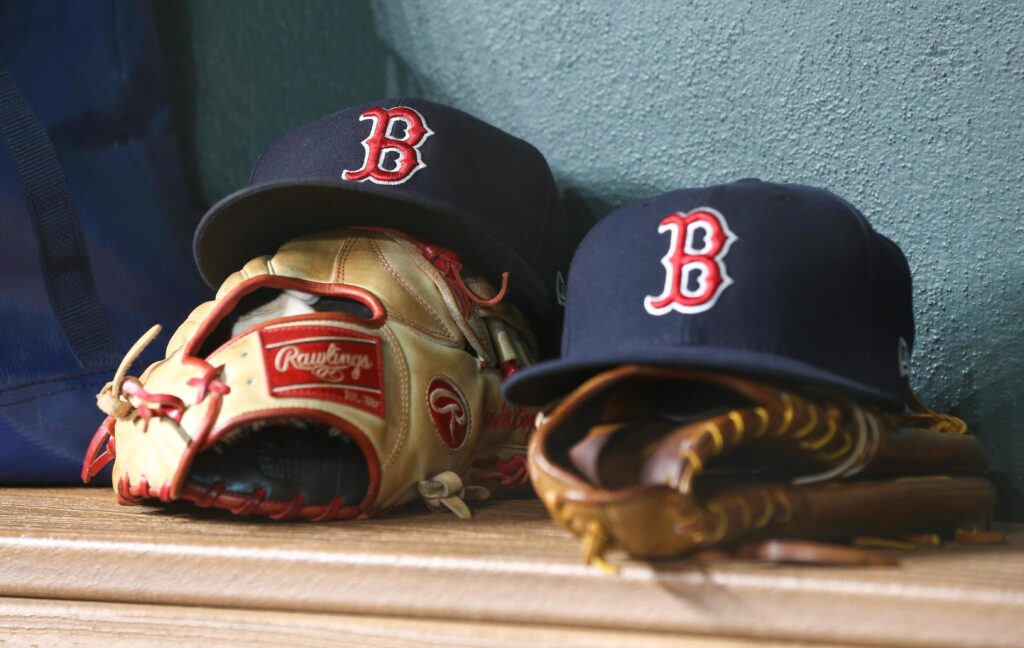
Boston Red Sox outfielder Jarren Duran recently confronted a fan who crossed a clear line online.
Amid a difficult stretch at the plate, Duran received a private Instagram message urging him to kill himself. Rather than ignore it, he shared screenshots of the message, related comments, and the sender’s identity on his Instagram story, making the exchange public and drawing attention to the abuse.
Duran has been open about his mental health challenges in the past, including discussions that appeared in the documentary series The Clubhouse: A Year with the Red Sox.
Those revelations were meant to foster understanding, yet they have sometimes been twisted into ammunition by critics.
One earlier episode in Cleveland saw a fan taunt him over a previous suicide attempt. Duran became visibly upset and had to be restrained by teammates while the spectator was ejected.
He later described it as the first time someone had weaponized that personal history against him during a game.
His reputation among some fans remains complicated by earlier controversies. In 2024, during a game at Fenway Park, a spectator yelled that Duran needed a tennis racket while batting. Duran responded with a slur directed at the fan.
The exchange earned him a two-game suspension and left a lasting mark on how certain supporters view him. Additional flashpoints followed in 2026, including an incident in Minnesota where he flipped off a fan and another verbal confrontation at Fenway that he later downplayed.
These moments stand in contrast to the success Duran enjoyed only two seasons earlier. In 2024 he earned an All-Star selection, a recognition of his value as a dynamic outfielder capable of contributing both offensively and defensively.
That achievement highlighted the upside that once made him a cornerstone of the Red Sox roster. Yet poor production in the current season—hitting just .203 with a .617 OPS—has fueled frustration and, for a minority of observers, opened the door to harsher personal attacks.
None of Duran’s on-field struggles or past missteps justify messages encouraging self-harm. By publicly documenting the latest harassment, he underscored a boundary that many athletes continue to fight for: criticism of performance is one thing, but targeting someone’s mental health and personal history is another.
As trade rumors continue to swirl around him heading into the offseason, the episode serves as a reminder of the pressures that accompany life in a passionate baseball market like Boston.