
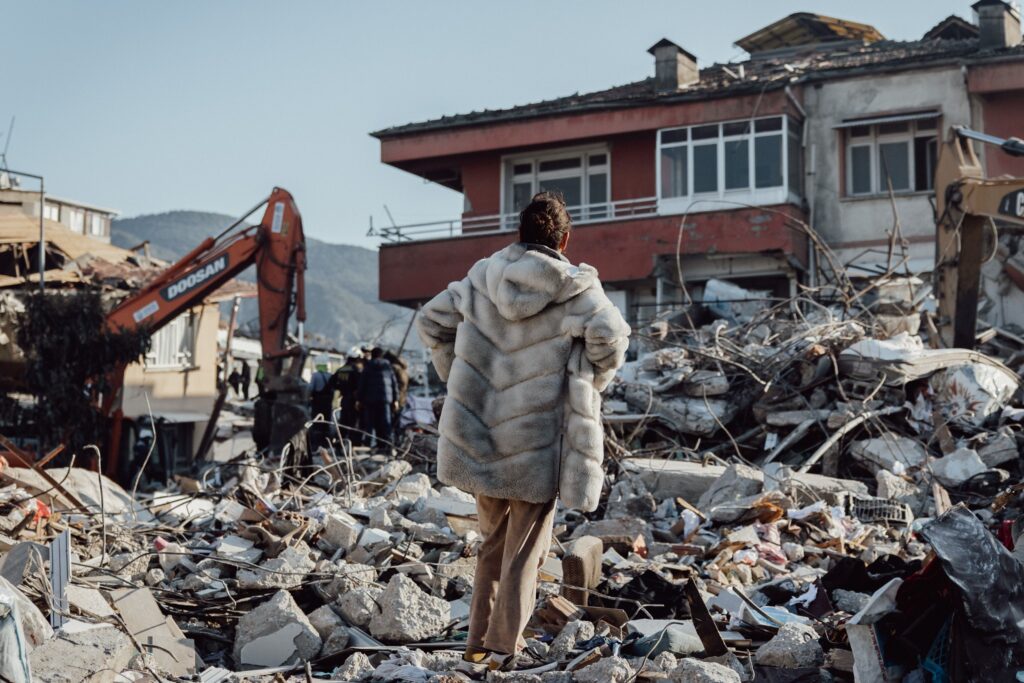
In the weeks following the devastating twin earthquakes that struck Venezuela on June 24, the ground beneath the affected regions has refused to settle.
What began as two powerful quakes measuring 7.2 and 7.5 in magnitude has evolved into a prolonged ordeal defined not only by the initial destruction but by a relentless series of aftershocks that continue to unsettle both the landscape and the lives of those trying to rebuild.
Official reports indicate that more than 1,300 aftershocks have rattled the country since that fateful day. These smaller seismic events, while generally less destructive than the main tremors, have created an atmosphere of persistent anxiety across the hardest-hit areas, particularly in La Guaira state.
The most notable of these occurred on the morning of July 10, when a 3.9-magnitude quake struck about 10 kilometers northeast of Naiguatá.
Though modest in scale compared to the original disasters, it was powerful enough to send residents rushing from buildings in fear, prompting precautionary evacuations and reviving the trauma of the initial strikes.
This pattern of aftershocks underscores a fundamental reality of seismic activity: the earth’s adjustments following a major release of energy can stretch on for weeks or even months. In Venezuela’s case, each tremor serves as a painful reminder of vulnerability.
Communities already reeling from collapsed structures and widespread displacement find themselves scanning the horizon for signs of further instability, their daily routines interrupted by the constant possibility of another shake. The psychological toll is immense, as families living in temporary shelters or damaged homes navigate an environment where safety feels elusive.
The human cost of the original earthquakes has been staggering, with the death toll now surpassing 5,000 and thousands more injured.
Yet the aftershocks complicate recovery efforts in subtle but significant ways. They slow the return to normalcy, deter rapid reconstruction, and amplify the sense of urgency around housing needs.
Authorities have estimated that around 25,000 new homes may be required, and efforts are underway—including a biometric census and legislative reforms aimed at speeding up private-sector construction—to address the shortfall. Still, in a region where the earth keeps moving, these initiatives must contend with ongoing uncertainty.
For residents in places like Catia La Mar, where images of ruined buildings capture the scale of the initial damage, the aftershocks represent more than geological phenomena.
They embody a period of transition marked by resilience and fragility in equal measure. As the government tallies the numbers—over 128,000 families assisted and more than 21,000 people in shelters—the focus remains on restoring stability both structurally and emotionally.
In the end, Venezuela’s experience highlights how disasters extend far beyond the moment of impact. The aftershocks, though diminishing in intensity, keep the wounds open, demanding sustained attention, resources, and compassion as the nation works to heal and fortify itself against future uncertainties.