
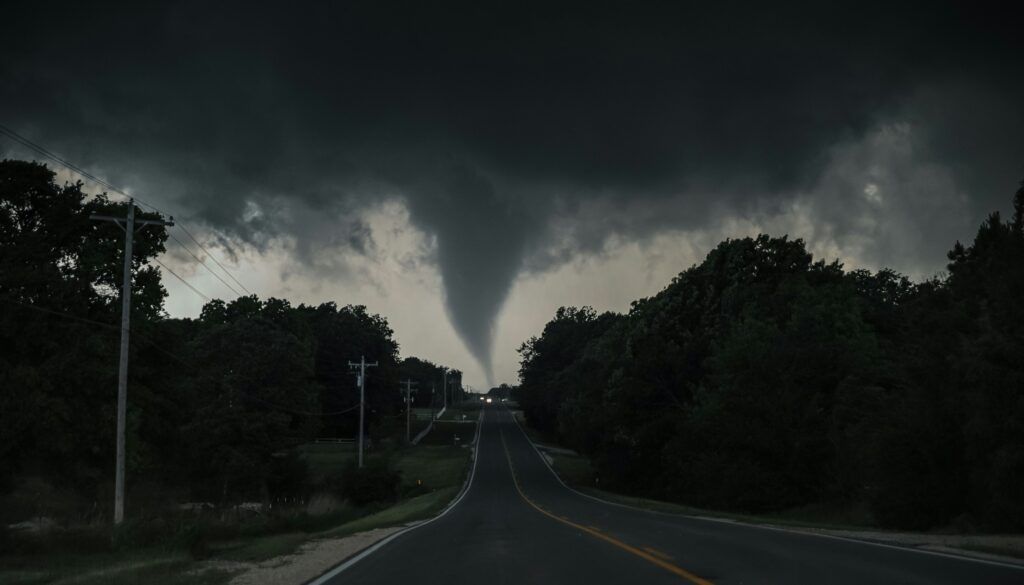
The National Weather Service has issued alerts for severe weather across parts of the Upper Midwest, cautioning residents in three states about the possibility of tornadoes striking on Friday, July 17.
Forecasters are monitoring conditions that could lead to rotating storms capable of producing damaging winds and hail in addition to twisters. While the overall risk remains relatively low, officials emphasize that even a small chance warrants preparation to protect lives and property.
Meteorologists have placed portions of Minnesota, Wisconsin, and Michigan under heightened scrutiny for potential tornado activity. According to the latest assessments, there is approximately a two percent probability of tornadoes developing within these regions during the specified timeframe.
This level of risk, though modest, highlights the unpredictable nature of summer weather patterns in the area, where warm, humid air masses can interact with frontal boundaries to spawn severe thunderstorms.
The three states now on watch—Minnesota, Wisconsin, and Michigan—share similar vulnerabilities due to their geography and typical summertime atmospheric setups. Residents in these locations should remain vigilant throughout the day, as storms could develop rapidly with little advance notice. Local emergency management teams are coordinating with federal agencies to ensure timely dissemination of updates via various communication channels.
Experts recommend maintaining constant awareness of evolving conditions as the best defense against sudden outbreaks. Individuals and families are urged to keep tuned into reliable sources for the most current information on watches and warnings. Staying informed allows people to react promptly if threats escalate from potential to imminent.
When at home during a tornado warning, the priority is to move quickly to the safest available spot. This typically means heading to a basement or a specially designed safe room if one exists. For those without such options, an interior space on the lowest level—far from exterior walls and windows—offers better protection against flying debris.
Taking a moment to secure pets, if feasible, can prevent additional distress during the event.
In professional or educational settings, established emergency protocols should guide immediate actions. Occupants are advised to proceed without delay to designated shelter areas, maintaining composure to avoid panic. Large, open interior spaces like dining halls, gyms, or assembly rooms should be avoided entirely, as they lack the structural reinforcement needed to withstand high winds. Windows in any part of the building pose a significant hazard and must be steered clear of.
Those caught outdoors when a tornado approaches face particularly urgent decisions. The immediate goal is to reach a solid, permanent structure capable of withstanding strong forces. Temporary shelters such as sheds or storage units provide virtually no safety, and mobile homes or tents are equally unsuitable. If time permits, relocating to an appropriate building remains the top recommendation for survival.
Motorists encountering severe weather while driving must treat the situation with extreme caution. Vehicles offer minimal protection against tornadoes, making continued travel risky. The preferred response involves navigating toward the nearest sturdy shelter as safely as possible. Should that prove impossible, drivers can pull over, crouch low within the vehicle while shielding their heads, or exit the car to lie flat in a nearby ditch or depression in the terrain, away from potential debris paths.
Community leaders stress that preparedness extends beyond the immediate alert period. Reviewing family emergency plans, assembling supply kits with essentials like water, flashlights, and first-aid materials, and identifying multiple shelter options can make a critical difference. Public awareness campaigns continue to highlight that advance planning reduces anxiety and improves outcomes when severe weather materializes unexpectedly.
As Friday unfolds, meteorologists will continue refining their forecasts based on real-time data from radar and observation networks. Residents in the affected states are encouraged to check updates frequently through official channels rather than relying solely on social media or unofficial reports.
By combining timely information with practical safety steps, communities can minimize risks even when the odds of a direct hit remain low.