
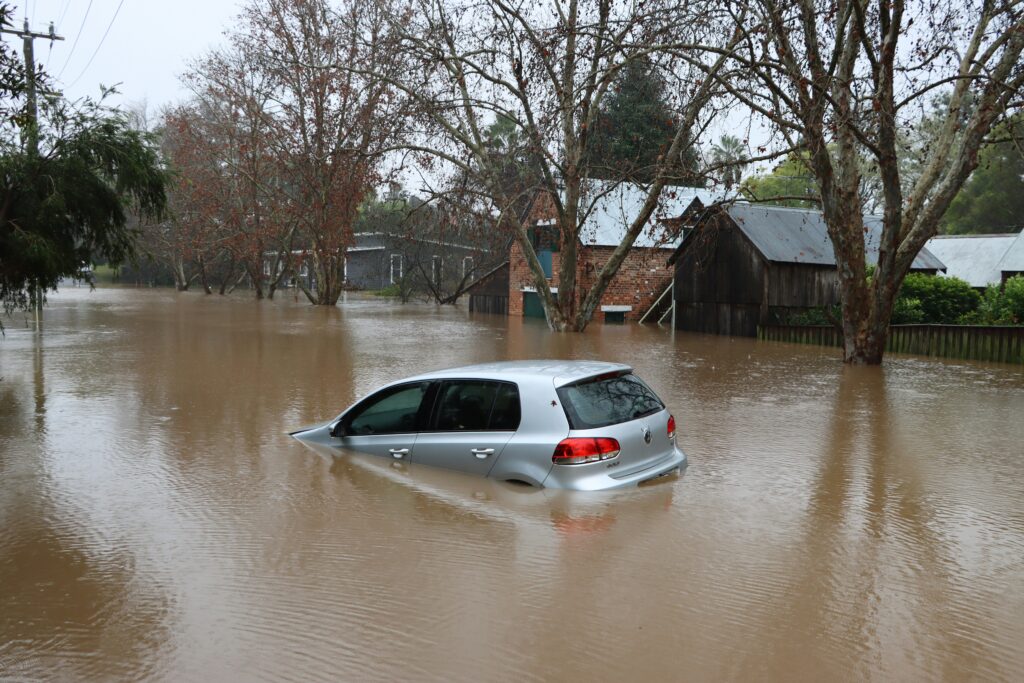
Federal weather officials have placed much of Texas on high alert for hazardous conditions that could bring life-threatening dangers starting Thursday and continuing into Friday. Forecasters anticipate that intense rainfall will trigger widespread flooding in vulnerable regions, particularly across south-central parts of the state, with risks extending toward the weekend.
The potential for sudden and powerful flash floods has raised significant concerns among emergency responders. Residents and travelers in affected zones are being urged to prepare for rapidly changing situations that could impact roads, homes, and daily routines.
Experts emphasize that these events often develop quickly, leaving little time for last-minute decisions.
“Widespread, life-threatening considerable flash flooding is expected in south-central Texas through at least Friday. It’s important to always follow instructions from local officials including NEVER driving around barricades into floodwaters,” the National Weather Service warned.
Motorists throughout Texas face particular risks as water levels rise unexpectedly on roadways. Authorities stress that even minor accumulations of rain can transform familiar routes into treacherous paths. Drivers should exercise extreme caution and monitor updates from reliable sources before heading out.
The dangers associated with flooding extend far beyond inconvenience, often resulting in tragic outcomes. Historical data shows that flooding claims more lives than other severe weather events linked to thunderstorms.
Many incidents involve people attempting to cross flooded areas, underestimating how quickly water can become overwhelming.
“Each year, more deaths occur due to flooding than from any other thunderstorm related hazard. The Centers for Disease Control and Prevention report that over half of all flood-related drownings occur when a vehicle is driven into hazardous flood water. The next highest percentage of flood-related deaths is due to walking into or near flood waters. People underestimate the force and power of water. Many of the deaths occur in cars swept downstream. Many of these drownings are preventable. Never drive around the barriers blocking a flooded road. The road may have collapsed under that water. A mere 6 inches of fast-moving flood water can knock over an adult. It takes just 12 inches of rushing water to carry away most cars and just 2 feet of rushing water can carry away SUVs and trucks. It is NEVER safe to drive or walk into flood waters,” the National Weather Service warned.
This stark assessment highlights the hidden power of moving water and the need for constant vigilance. Even shallow depths can generate enough force to endanger lives and vehicles, turning what appears to be a passable area into a deadly trap. Communities are encouraged to treat every flooded road as a potential hazard zone.
During episodes of intense rainfall, individuals should steer clear of low-lying spots such as riverbeds, drainage channels, and underpasses that commonly collect water. Relocating to elevated terrain becomes essential when flooding appears imminent in one’s neighborhood or workplace.
Staying informed plays a critical role in staying safe. Those living or employed in regions prone to inundation must remain attentive to weather forecasts and official communications whenever heavy precipitation is predicted. Awareness can make the difference between timely action and unnecessary exposure to danger.
Nighttime conditions add another layer of difficulty, as reduced visibility makes it harder to spot rising water or washed-out sections of road. Travelers should avoid unnecessary trips after dark during stormy periods and allow extra time for any essential journeys.
By heeding these precautions and respecting the authority of local emergency guidance, Texans can significantly reduce the chances of falling victim to flood-related incidents.
Preparation and respect for nature’s power remain the most effective tools in navigating severe weather events like the ones now approaching.