In a recent appearance on ESPN New York’s DiPietro & Rothenberg show, MLB insider Buster Olney broke down the New York Mets’ dismal first half and what it means for their approach at the upcoming trade deadline.
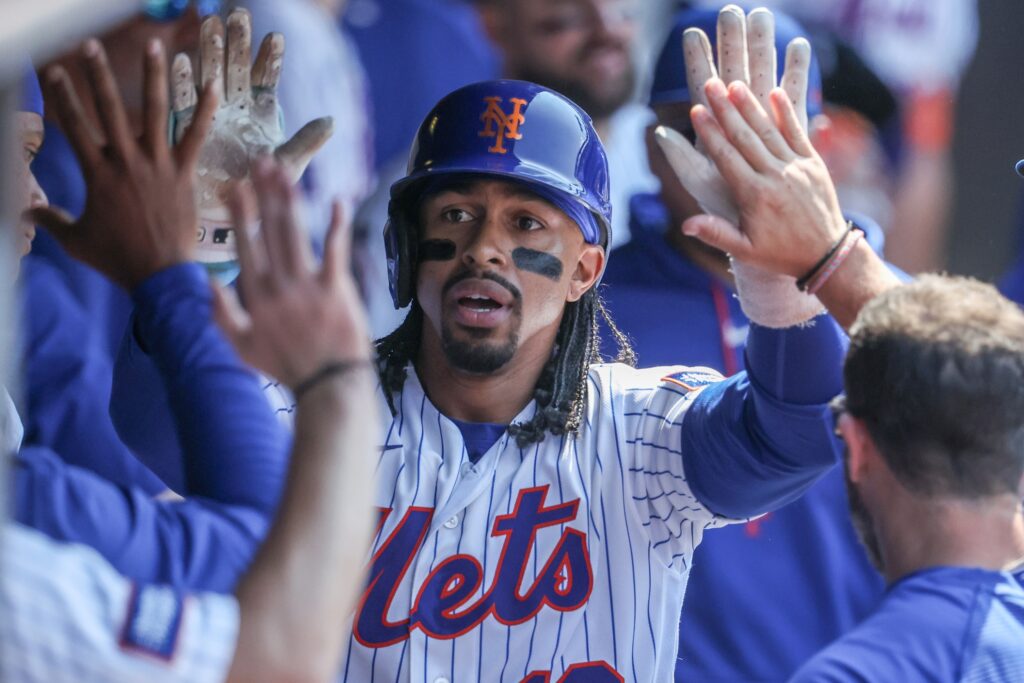
With the Mets sitting at a woeful pace that could make them the worst team since 1993, the conversation inevitably turned to whether the franchise might consider moving star shortstop Francisco Lindor.
Olney painted a bleak picture of the Mets’ season, noting their clear declaration as sellers after a collapse that has left them far outside contention.
He suggested the team has every reason to be aggressive in shedding pieces to rebuild for the future, especially with a thin seller’s market overall. However, when it came to Lindor specifically, Olney was straightforward: moving the veteran shortstop would be extraordinarily difficult, if not impractical, this season.
The primary obstacles, according to Olney, revolve around the massive contract and the broader economic uncertainty hanging over Major League Baseball. Lindor’s deal carries significant long-term money, and shopping it mid-season is rarely easy for players of his caliber.
Olney pointed to the rarity of such moves, referencing the Red Sox’s deal involving Rafael Devers as an exception rather than the norm. In Lindor’s case, the combination of salary obligations and questions about a potential salary cap or spending limits following upcoming labor negotiations would make it hard to find a willing partner.
Teams would be hesitant to absorb that kind of commitment without clarity on the future economic landscape. As Olney put it, pursuing a Lindor trade right now would feel like a waste of energy until the picture becomes clearer for next year and beyond.
While the Mets are in position to capitalize on a market short on sellers—potentially moving other pieces like Clay Holmes or even considering offers for players such as Luke Weaver—Lindor stands apart as a foundational piece that’s tough to relocate under current circumstances.
Olney also touched on the bigger picture for the Mets. Owner Steve Cohen has signaled a focus on creativity amid payroll constraints, and the presence of high-profile stars like Lindor and Juan Soto could complicate efforts if spending limits tighten.
Even so, Olney didn’t sense the kind of cross-town rivalry barriers that once prevented deals between the Mets and Yankees, leaving open the possibility of creative roster moves—but not necessarily one involving the face of the franchise at this deadline.
For Mets fans hoping for a dramatic shake-up, Olney’s analysis serves as a reality check. The team will likely be busy offloading assets to accumulate future value, but Lindor’s situation is far more complex.
Any serious discussions about his future probably belong to the offseason, once the dust settles on the current season and the league’s financial framework. In the meantime, the Mets face the challenge of navigating a lost year while preserving their core for whatever comes next.
Olney’s insights underscore a key tension in baseball’s trade market: big names with big contracts often stay put unless the stars align perfectly, especially amid uncertainty. For now, Francisco Lindor appears destined to remain a Met through the deadline, even as the organization resets around him.