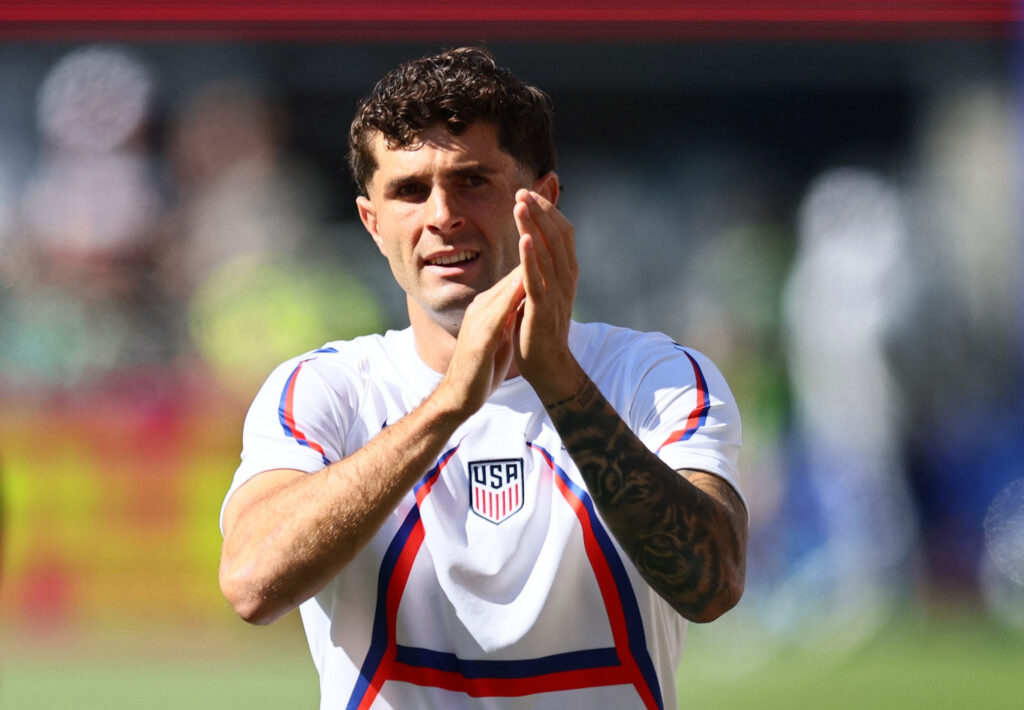
Christian Pulisic stands out as one of the most accomplished athletes in the story of American men’s soccer, thanks largely to his impressive achievements while competing at top clubs across Europe. Many observers point to his technical skill, creativity, and consistent performances in demanding leagues as evidence that he ranks among the greatest talents the United States has ever produced.
Yet his contributions on the international scene have often fallen short of expectations. Despite flashes of brilliance, Pulisic has struggled to match the impact delivered by legendary predecessors such as Landon Donovan and Clint Dempsey during major tournaments.
This gap between club excellence and national-team output has fueled ongoing debates about his true place in U.S. soccer lore.
The most recent World Cup cycle carried heightened hopes for a breakthrough. Hosting duties on home soil raised ambitions, with analysts and supporters alike envisioning at least a quarterfinal appearance or even deeper progress. The tournament represented a golden opportunity for the American side to showcase growth and challenge established powers on familiar territory.
Those aspirations crumbled on Monday evening when the United States suffered a lopsided 4-1 defeat against Belgium in the Round of 16. The match exposed clear deficiencies in execution and resilience, as the Belgian squad controlled large stretches of play and capitalized on defensive lapses. The result ended American hopes prematurely and highlighted persistent challenges at the global level.
Pulisic’s involvement in the contest was cut short when he left the field with a leg injury during the second half. This early departure mirrors patterns from previous World Cups, where similar physical setbacks limited his time on the pitch in key moments. Observers noted that recurring fitness issues have repeatedly interrupted his ability to influence critical international fixtures.
After the loss, Pulisic addressed the media and acknowledged the immediate consequence of his condition.
“Now I have time to rest,” he told reporters.
Public reaction among soccer enthusiasts has been sharply critical, focusing heavily on questions of mental toughness and commitment. Many fans argue that Pulisic’s approach reveals deeper shortcomings that prevent the national team from reaching elite status. Discussions online and in fan circles frequently circle back to leadership qualities and competitive drive.
“Sorry but who cares. He shouldn’t have played if he was weak and injured. His spot should have been taken by a younger and hungry player!” one fan wrote.
“He has no interest in being on this team and his face shows that he is disingenuous with every word – never seen anything like this fella,” another said.
“This right here is the reason that the US will never be a serious contender in international soccer. Soft,” a third fan wrote.
As the dust settles on another disappointing exit, attention turns toward the long-term trajectory of both Pulisic and the program. With the next World Cup scheduled for 2030, the forward will enter his thirties, a stage where experience can be an asset but physical recovery becomes more demanding.
Whether he can evolve into a more reliable leader remains an open question that will shape narratives in the years ahead.
Ultimately, Pulisic’s career continues to embody the broader ambitions and frustrations of U.S. men’s soccer. While his club pedigree inspires optimism, repeated international setbacks and vocal fan skepticism underscore the work still required for the team to establish itself as a genuine force on the world stage.
The coming cycle offers time for reflection, recovery, and renewed determination across the entire squad.