
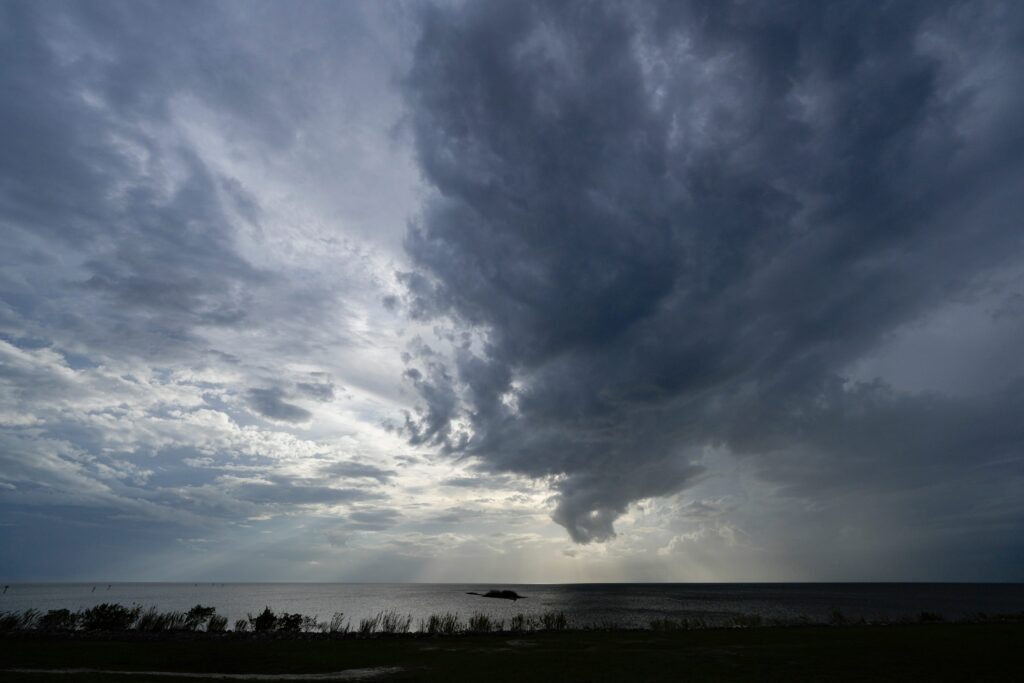
The National Weather Service has issued urgent alerts for damaging winds across a broad stretch of the eastern United States on Thursday, June 18. Officials are closely monitoring conditions that could bring powerful gusts capable of causing widespread disruption.
Residents in multiple states are being urged to prepare for the possibility of hazardous weather that may include intense thunderstorms accompanied by lightning.
Meteorologists indicate that the strong wind patterns pose risks to both property and public safety. These conditions could lead to significant challenges for daily routines, particularly in areas with dense tree coverage or older infrastructure. The alerts highlight the potential for sudden and forceful gusts that may arrive with little warning in some locations.
Much of the East Coast is now under heightened scrutiny as forecasters track the developing system. Communities are encouraged to stay informed through local updates and official channels to respond effectively if conditions worsen. The combination of wind and possible storms adds another layer of concern for those in vulnerable regions.
“Strong winds will blow down trees and power lines. Scattered power outages are expected. Travel will be difficult, especially for high profile vehicles,” the warning states.
“Avoid being outside in forested areas and around trees. If possible, remain in the lower levels of your home during the windstorm, and avoid windows. Use caution if you must drive.”
Ten states have received specific notifications regarding the anticipated severe weather. These include New York, Vermont, New Hampshire, Massachusetts, Connecticut, Rhode Island, New Jersey, Delaware, Maryland, and Virginia. Each of these areas faces unique risks depending on local terrain and population density, prompting tailored preparations by emergency management teams.
Experts recommend treating the situation with seriousness even if the winds have not yet materialized. Staying indoors remains the most reliable way to minimize exposure to flying debris or falling objects. Those who must venture out should exercise extreme caution and limit unnecessary travel until the system passes.
If individuals find themselves outdoors when gusts intensify, seeking immediate shelter near sturdy structures is essential. It is wise to steer clear of open roads, railways, or any elevated positions that lack proper barriers. Handrails can provide stability on walkways, while awareness of surroundings helps avoid hazards such as breaking branches or dislodged signs.
Loose items on nearby buildings or balconies warrant particular attention, as powerful bursts can turn everyday objects into dangerous projectiles. Residents should also secure outdoor belongings in advance to reduce the chance of damage or injury. Taking these steps can significantly improve outcomes during periods of high wind activity.
Authorities continue to stress the importance of heeding all advisories and remaining vigilant. By following established safety protocols, communities can better protect themselves and their families until the threat subsides.
Updates from the National Weather Service will be critical in the hours ahead as the weather evolves.