
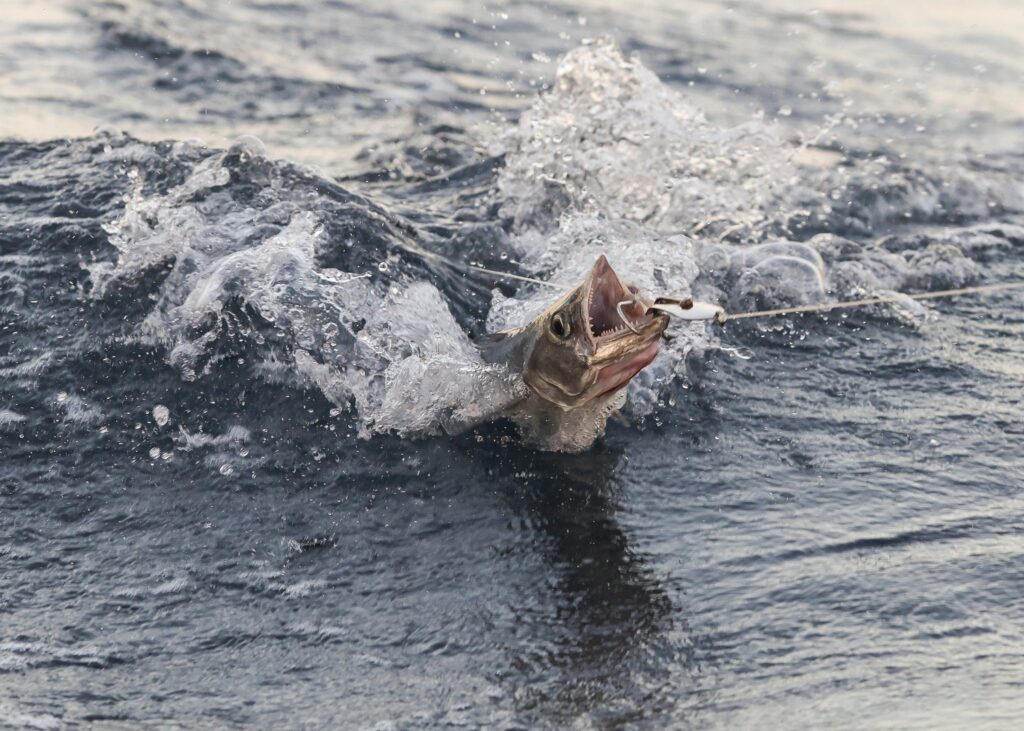
California wildlife authorities have temporarily halted commercial harvesting of northern anchovy and Pacific sardine in parts of Monterey Bay, citing dangerous levels of a naturally occurring neurotoxin that poses serious risks to human health.
The California Department of Fish and Wildlife (CDFW) announced the restriction on Friday after recent testing revealed elevated concentrations of domoic acid in fish sampled from the area.
Domoic acid is produced by certain species of marine algae, commonly associated with harmful algal blooms that can occur under specific ocean conditions.
These blooms are a recurring environmental challenge along the West Coast, sometimes intensified by nutrient-rich waters and changing climate patterns.
Domoic acid is a potent toxin that can accumulate in small forage fish like anchovies and sardines without visibly harming the fish themselves.
When consumed by humans, even moderate exposure can lead to symptoms such as nausea, diarrhea, and dizziness.
Higher doses are linked to more severe neurological effects, including short-term memory loss, seizures, and in extreme cases, death.
This toxin has been responsible for previous seafood safety incidents, prompting regulators to monitor shellfish and fish closely during bloom events.
The current measures prioritize public safety while allowing limited continued use of the species.
The ban applies specifically to commercial fishing for human consumption in the waters of Monterey Bay, from south of Pigeon Point in San Mateo County to a line extending due west from Point Lobos in Monterey County.
Fishermen may still harvest northern anchovy and Pacific sardine for use as bait. However, any dead bait sold must carry clear labeling stating it is not suitable for human consumption or pet food.
This distinction aims to protect consumers while minimizing economic disruption to the fishing industry, which relies on these species for both direct sales and as forage for other fisheries.
This proactive step underscores the importance of science-based fisheries management in protecting both public health and the long-term viability of California’s coastal ecosystems.