
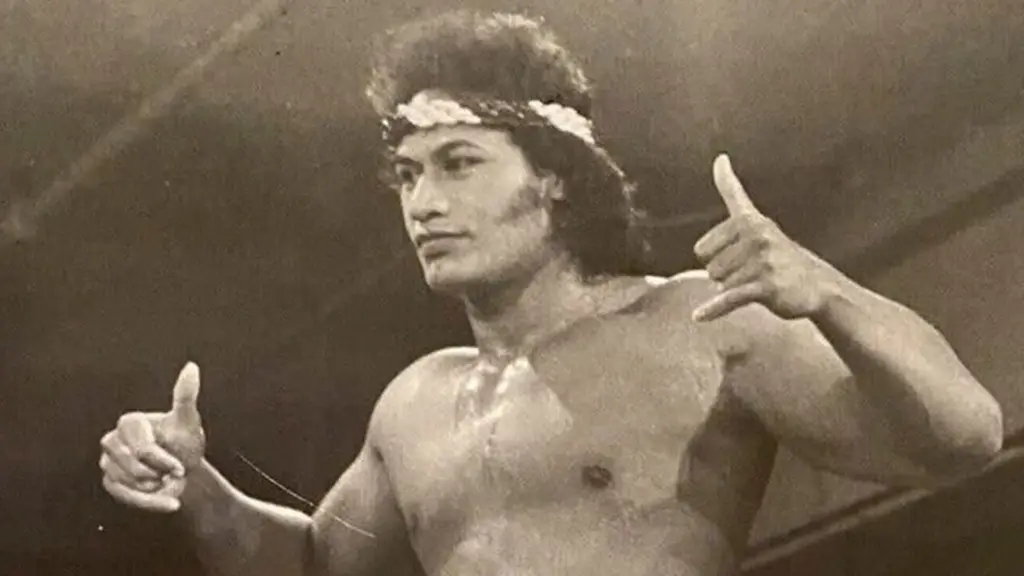
The wrestling community is grieving the loss of a veteran performer whose career spanned multiple continents and decades. Siva Afi, known to fans for his high-flying style and charismatic presence, has passed away, leaving behind a complex legacy that blended athletic achievement with personal redemption.
Born Papali’itele Max Amata Taogaga, the wrestler reached the age of 77 at the time of his death. His family shared the somber announcement on Thursday, though details surrounding the cause remain undisclosed. The news quickly spread through wrestling circles, prompting reflections on both his in-ring accomplishments and the journey that followed his retirement.
Afi earned the memorable ring name “Superfly” during his active years. In 1986, he signed with the World Wrestling Federation and was soon positioned as the cousin of the popular star Jimmy Snuka. This connection helped generate initial interest among audiences as promoters sought to capitalize on familiar storylines.
His early tenure in the promotion showed promise. Afi kicked off with an unbeaten streak that highlighted his skills and potential. Despite these positive beginnings, however, he struggled to form a lasting bond with crowds in the way officials had anticipated. Over time, his visibility within the organization diminished as other talents rose to prominence.
Prior to his WWF stint, Afi had already built experience on the international stage. He competed in nearly 30 bouts for New Japan Pro-Wrestling, sharpening his abilities against some of the era’s toughest competitors. This period helped lay the foundation for the performer he would become upon arriving in larger North American markets.
It was in Hawaii, though, where Afi truly captured the hearts of local supporters and solidified his reputation. The islands embraced him as a hometown hero, and his matches there often drew enthusiastic crowds eager to witness his dynamic approach to the sport.
One of the most celebrated moments of his career came when he faced Ric Flair in a memorable contest for the NWA World Heavyweight Championship. The two athletes battled to a stalemate under a one-hour time limit, an encounter that received widespread acclaim and showcased Afi’s ability to hold his own against elite opposition.
After years of competition across various promotions, Afi decided to step away from the ring in 1997. Retirement marked the end of an active wrestling chapter, but it also opened the door to new challenges and opportunities for reflection outside the spotlight.
His post-wrestling life included significant legal troubles that stemmed from an incident in Ohio in January 1996. Afi served as the getaway driver during a robbery, burglary, and kidnapping event. He was later convicted on one count of aggravated burglary, two counts of aggravated robbery, and seven counts of kidnapping.
The court handed down a sentence of 15 to 40 years in prison following the guilty verdict. Afi spent the next decade navigating the appeals process before ultimately being deported back to Samoa. This return to his roots represented a turning point, allowing him to focus on making amends.
Upon arriving in Samoa, Afi committed himself to positive change. He devoted his remaining years to supporting rehabilitation programs and engaging in community initiatives aimed at helping others avoid the pitfalls he had encountered. Those close to him described this phase as one of quiet contribution and personal growth.
As word of his passing circulated on Thursday, tributes poured in from wrestlers, promoters, and fans alike. Many remembered Siva Afi not only for his “Superfly” persona and ring accomplishments but also for the resilience he demonstrated in later life.
His story serves as a reminder of the highs and lows that can define a career both inside and outside the squared circle.