
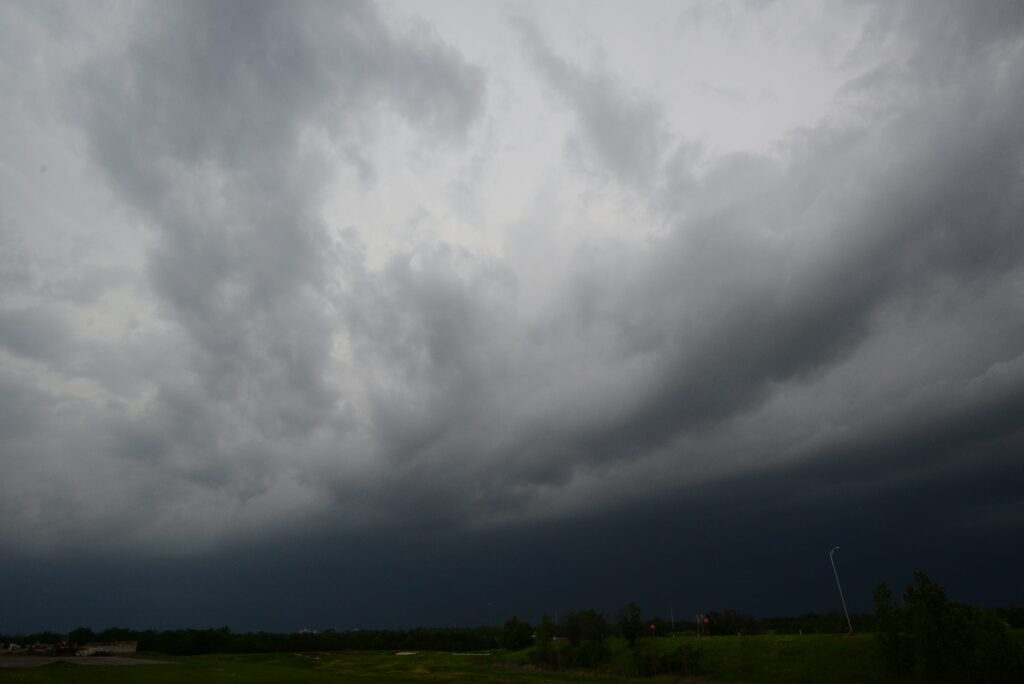
The National Weather Service has placed several Midwestern states on alert for potentially powerful thunderstorms expected to develop across the region on Monday. Residents throughout the affected areas, particularly those in Michigan, are being advised to stay alert as weather conditions could deteriorate rapidly and create dangerous situations during the day.
Forecasters have identified five states that could face the brunt of these developing systems. The zones of concern stretch across Minnesota, Iowa, Wisconsin, Illinois, and Michigan, where the storms are forecast to deliver a potent combination of severe elements capable of disrupting daily life and endangering communities.
In Michigan, officials are especially focused on the possibility of heavy rainfall, strong gusts, and sizable hail that may accompany the thunderstorms. Isolated pockets within the state could also see tornado activity, prompting local emergency teams to review their response plans and communicate closely with the public.
The mix of thunder, lightning, and forceful winds creates multiple hazards for homes, vehicles, and personal well-being. People living in Michigan and neighboring states are urged to treat these forecasts with full seriousness, recognizing that weather shifts in the Midwest can occur with little warning and leave residents vulnerable if they remain unprepared.
Staying connected to trusted information sources stands as one of the most effective ways to protect yourself and your family. Michigan residents should monitor local television stations, weather radio broadcasts, or official mobile alerts to track any evolving watches or warnings issued throughout the day.
When a severe thunderstorm warning goes into effect in your Michigan community, the immediate priority is to get inside a sturdy shelter. Heading to a basement or an interior room on the lowest level, far from outside walls and windows, offers the best defense against damaging winds or incoming hail. Families are also encouraged to bring pets indoors with them whenever there is sufficient time to do so safely.
At Michigan workplaces, schools, and universities, guidance emphasizes steering clear of large glass windows and doors that could shatter under high winds or flying debris. Occupants should avoid congregating in wide-open interior spaces such as cafeterias, gymnasiums, or auditoriums while the warning remains active, reducing exposure to potential injuries.
For anyone caught outside as the storms approach across Michigan or the broader region, locating a well-built, permanent structure becomes essential. Makeshift shelters like garden sheds or basic storage buildings provide little real protection and should be bypassed entirely. Standing under or near trees is especially risky, since lightning strikes and falling branches can cause severe harm or fatalities.
Even lingering close to trees elevates the danger of a direct lightning hit, making open wooded areas one of the least advisable places to wait out active thunderstorms. Safety experts continue to remind the public that no outdoor spot can be considered truly safe until the entire storm system has moved well away from the area.
Drivers in Michigan generally enjoy more protection inside their vehicles than people on foot, yet caution remains critical. If a warning is issued and time allows, pulling over and seeking a solid building is still the recommended action rather than attempting to navigate roads amid heavy rain, hail, or strong winds.
These types of volatile spring and summer storms underscore the value of year-round weather readiness in Michigan and other Midwestern locations. Familiarity with established safety protocols and prompt action can dramatically lower the chances of injury or property damage when severe weather strikes without much advance notice.
State and local authorities in Michigan are keeping a close watch on the systems as they progress, ready to issue additional updates or adjustments to alerts based on real-time developments. Cooperation between forecasters, emergency managers, and residents will play a key role in minimizing impacts across the region.
Ultimately, the core message from the National Weather Service remains straightforward for Michigan families and businesses: place safety first, respond quickly to official warnings, and steer clear of avoidable risks as these thunderstorms sweep through the state and surrounding areas on Monday.
Proactive steps taken now can help ensure that communities emerge from the event with minimal disruption.