
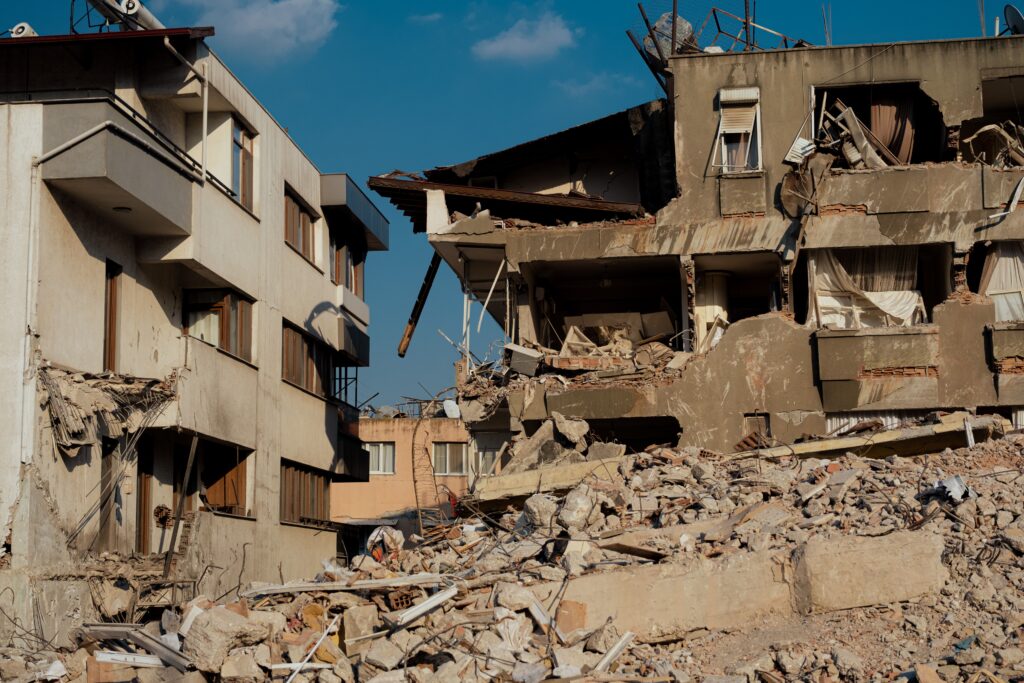
Just a day after a strong magnitude 7.3 earthquake struck off the coast of Chiapas, Mexico, near the coastal town of Puerto Madero, residents in the region felt the ground shake once more with a notable 5.7 aftershock.
The initial quake hit on Friday, July 17, 2026, around midday local time, sending tremors across southern Mexico, Guatemala, and even parts of El Salvador.
Thankfully, neither the main event nor its aftershocks have led to major damage or casualties so far. Mexican authorities, including President Claudia Sheinbaum and the navy, quickly activated emergency protocols and reported no significant structural issues in Chiapas or neighboring Tabasco.
In Guatemala, President Bernardo Arévalo confirmed no deaths, though people in both countries stepped out of buildings as a precaution when the shaking started.
The 7.3 quake struck at a relatively shallow depth, which made it more noticeable across a wide area. Its epicenter was offshore, about 36 miles (around 58 km) from Puerto Madero in the Pacific.
A brief tsunami warning was issued for nearby coasts, with small waves of around 0.3 meters (roughly 1 foot) recorded in places like Puerto Madero. Officials advised people to stay away from beaches temporarily, but the threat passed without serious marine impacts.
Aftershocks are a common and expected part of the recovery process following a big earthquake like this one. The 5.7 event, reported southwest of Puerto Madero, fits the typical pattern where the earth continues to adjust along the fault lines.
Seismologists have noted multiple aftershocks in the 4.7 to 6.0 range in the hours and days since the main shock, which is normal for this tectonically active subduction zone where the Cocos Plate dives under the North American Plate.
For locals in this fishing and border region, the sequence has been unsettling but manageable. In Tapachula, the main city nearby, people described the initial shaking as starting mild before building up, prompting orderly evacuations.
Similar scenes played out across the border, with residents briefly taking to the streets. The lack of widespread destruction is a relief, especially given the quake’s strength and shallow nature, which often amplifies felt intensity.
Experts remind us that aftershocks can continue for weeks or even months, gradually decreasing in frequency and size. While most won’t cause new problems, they serve as a reminder to stay prepared—securing furniture, having emergency kits ready, and knowing evacuation routes.
In areas like Chiapas, which sits in a high-seismic-risk zone, building codes and public awareness play a big role in minimizing risks during these events.
This latest shake comes at a time when the community is already on alert. No major infrastructure problems or injuries have been tied directly to the aftershock, but officials continue monitoring the situation closely. For now, it’s a story of resilience in a region that knows the earth can move unexpectedly.
Residents are advised to remain vigilant, especially near the coast, as the ground settles back into place. Stay safe out there, and keep an eye on updates from reliable sources like Mexico’s National Seismological Service or the USGS for the latest on any further activity.